





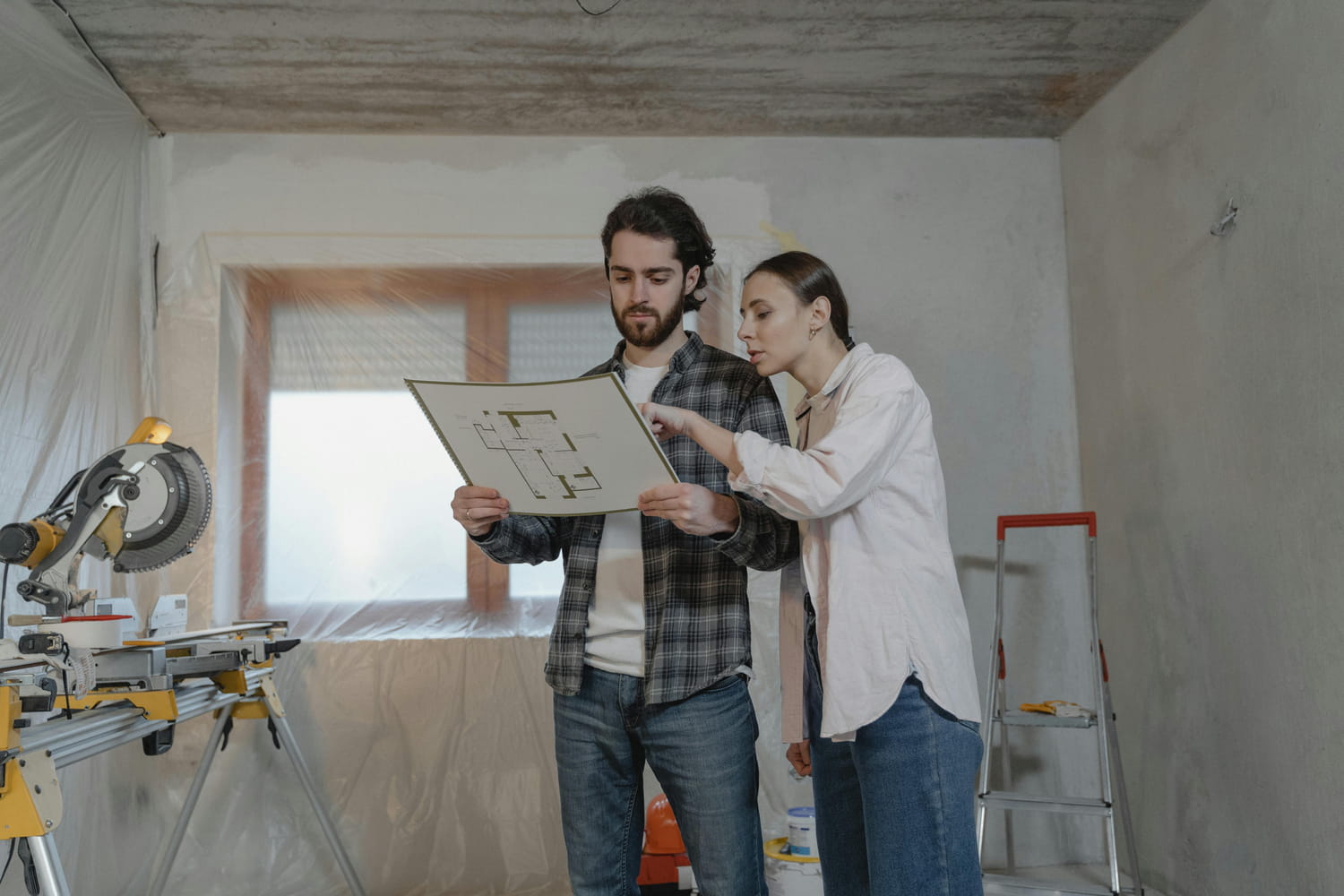
It is a local tax calculated according to the characteristics of the accommodation. But be careful: if you know the size of your property well, do you know that certain improvements, even minor ones, can quickly increase the bill?
For owners, property tax is an annual event. It concerns all real estate, whether it is a house or an apartment, and it must be paid by the person who owns the accommodation on January 1st. The notice generally arrives in the fall and the amount varies depending on the municipality, but also depending on the layout of the property.
To understand how this tax is calculated, you need to look at what the administration calls the cadastral rental value. Behind this somewhat technical term hides a simple idea: estimate how much a home could bring in if it were rented. The tax services therefore evaluate a theoretical annual rent based on the characteristics of the property. Then, only part of this value is retained to calculate the tax. This base is multiplied by the rate decided by the municipality and sometimes by other local authorities. It is this mixture between the value of the home and the local rates that gives the final amount of the property tax.
To establish this value, the administration does not only look at the address of the accommodation. She is also interested in its concrete characteristics. Surface area is obviously an important element, but it is not the only data taken into account. The tax authorities use what is called a weighted surface. In short, they add several spaces in the home to estimate its actual size. The main rooms are of course included in this calculation (living room, bedrooms, kitchen or bathroom), but other surfaces also count. Corridors, certain storage spaces, attics or even cellars may be included in the assessment.
Addictions can also play a role. A garage, an attic or an outdoor space are often considered a plus for housing. Even if they are not used as classic pieces, they provide additional surface area or comfort. This can therefore influence the rental value estimated by the administration. The level of equipment in the accommodation is also looked at closely. Certain facilities are considered comfort elements that increase the value of the property. Very concretely, the installation of central heating, the addition of a bathroom or even the creation of a terrace are among these renovations likely to increase the price of the property tax.
As you will have understood, these improvements provide comfort or space, which can lead to a revaluation of the property and, ultimately, to a higher annual bill. It is therefore important to think twice before embarking on this type of work.