





Heb 9, 15. 24-28; Ps.97; Mk 3, 22-30.
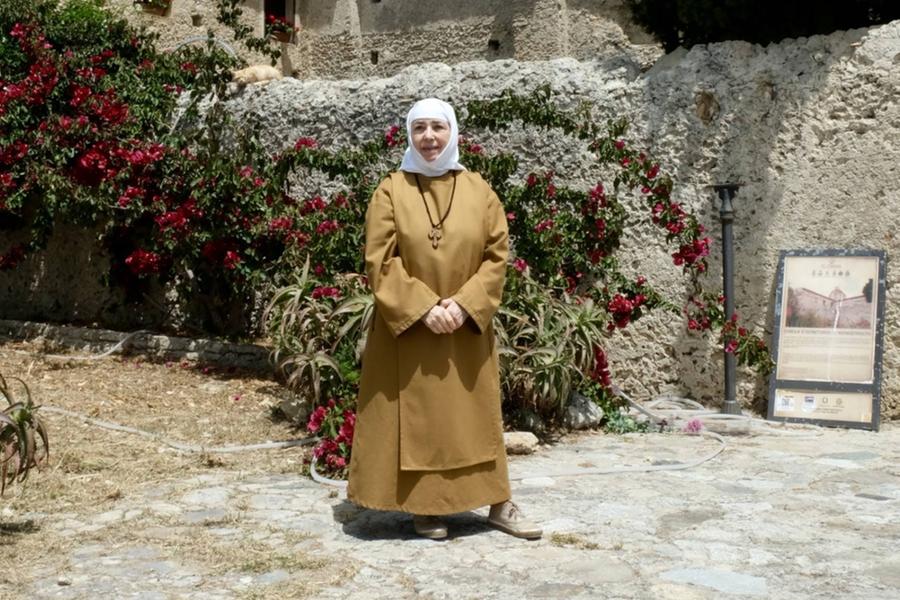
Today we celebrate a saint who preceded and accompanied the Council of Trent in the renewal of Christian life. Born in Desenzano sul Garda (Brescia) in 1474 to a family of humble farmers, orphaned at 15, Angela became a Franciscan tertiary and gave up her possessions to live in poverty. Already in 1516 in Brescia (at the collegiate church of Sant’Afra) she had begun to gather around her women of the nobility and the common people, with whom in 1535 she founded the Company of the Dimesse (i.e. humble) of Saint Ursula (from the name of the martyr who had appeared to her recommending her joint apostolate), dedicated to the spiritual and material assistance of girls, especially orphans. Previously, he had made pilgrimages to the Holy Land and Rome, to gain the indulgence of the Jubilee. Among other things, he established that discharges were not linked to a convent-type timetable. Forerunner of modern secular institutes, she in fact wanted the first Ursulines to be virgins consecrated to God and to the service of others, living in the world, in their own home, without enclosure, and supporting themselves with their own work. But in 1566 they will be forced to wear a religious habit and observe seclusion, but only for choral prayer. Reading the rule written by Merici and approved by Paul III in 1544, we discover a rare wisdom: in addition to the insistence on vocal and mental prayer, which animates a truly popular religiosity (the bond of religious women is always with their own parish), it recommends obedience to the Church, to one’s bishop, to the spiritual father, to the “governor” and “governors” of the Company, and above all to the advice and inspiration of the Holy Spirit. Angela died in Brescia on 27 January 1540, leaving an institution that developed into 24 Ursuline branches, dedicated to every service in the Church. However, she was only canonized in 1807, because her ideas were initially considered too modern.