



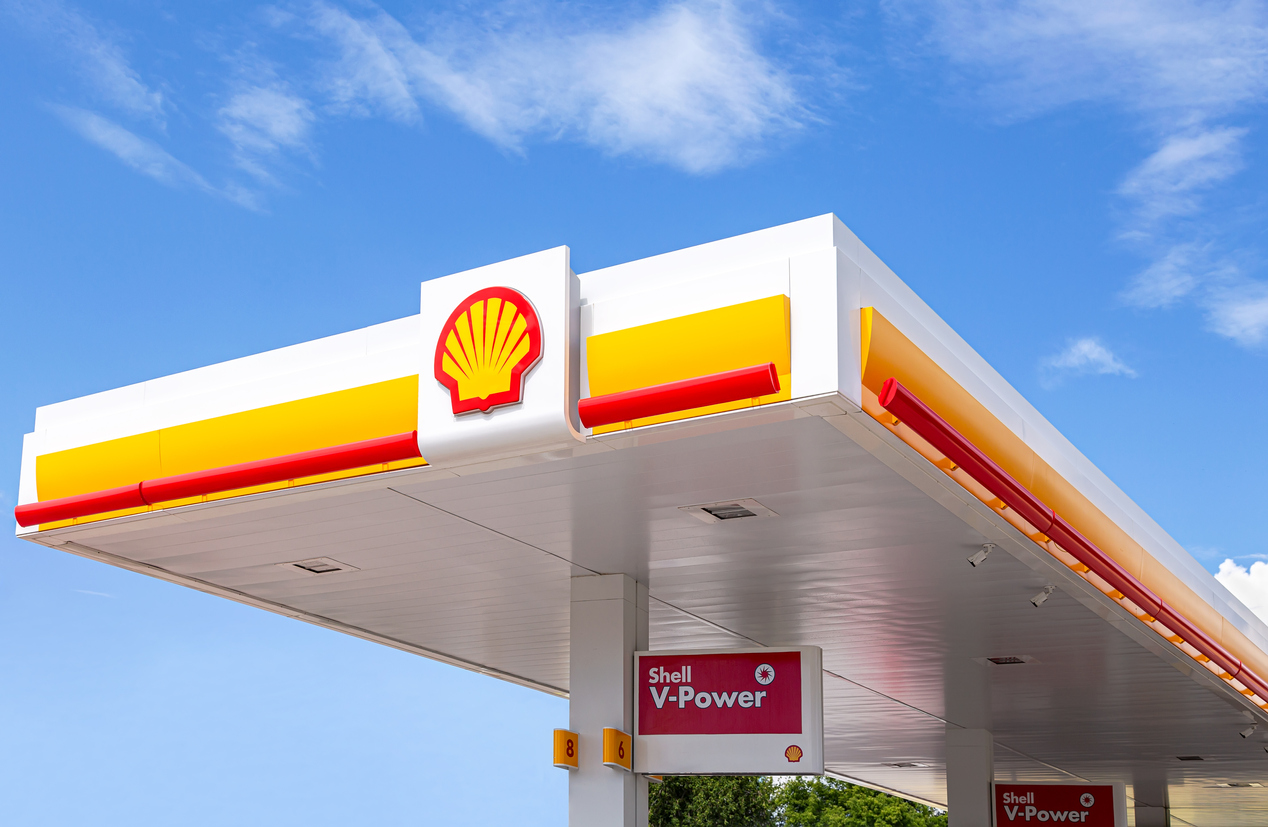
Shell plc has suspended its $3.0 billion share buyback program, halting repurchases from 12 June until the close of trading on 14 July 2026 to comply with securities-law restrictions tied to its pending acquisition of Canada’s TSX-listed ARC Resources Ltd.
The break is mechanical rather than strategic. Shell launched the buyback on May 7, 2026 under a roughly three-month contract term, and the suspension was triggered by publication of the ARC shareholder circular ahead of a special meeting set for July 14, when ARC investors vote on the takeover. Because Shell shares form part of the consideration — ARC holders receive 0.40247 of a Shell share plus CAD 8.20 in cash per share, valuing the deal at about US$13.6 billion — Shell is restricted from buying its own stock on the London Stock Exchange while the offer is live. Repurchases not completed during the freeze will roll into the remaining 2026 programs, subject to board approval.
Shell shares fell roughly 2.85% on the announcement, a reaction that reads more as automatic profit-taking on a paused return than a verdict on strategy. Chief executive Wael Sawan has positioned the ARC deal, which establishes the Montney shale basin in British Columbia and Alberta as a Canadian production hub, as central to a strategy built on higher returns and lower emissions. Chief financial officer Sinead Gorman oversees a capital framework that has leaned heavily on consistent buybacks as a signal of discipline, placing Shell alongside BP, ExxonMobil and TotalEnergies in treating repurchases as a core part of the shareholder pitch.
The distinction is a matter of importance for anyone running a listed company. A buyback pause caused by a live M&A process is a routine consequence of using equity as deal currency, and it carries none of the warning signals a discretionary halt would. Boards weighing share-funded acquisitions should expect the same trade-off: the moment a target’s circular is published, the acquirer’s own capital-return levers can be frozen by rule rather than by choice. Treasury teams at ExxonMobil, BP and any company contemplating a stock-and-cash structure will recognize the sequencing problem Shell now manages in public.
Shell’s experience also underlines how closely return policies and deal execution are now read together by institutional investors. The ARC arrangement still requires 66⅔% shareholder approval, sanction by the Court of King’s Bench of Alberta, and is expected to close in the second half of 2026 — a timeline that keeps the buyback question open for ARC president and chief executive Terry Anderson’s shareholders and Shell’s alike.
The lesson for boards is simple: if you pay for a deal in your own shares, expect the buyback to stop, and tell investors before they have to ask.
More From CEO Today:
Why The SpaceX IPO Is Becoming A Test Of Wall Street’s Market Readiness
What The Anthropic–OpenAI Battle Reveals About The New Power Struggle In AI Leadership