




Alleanza per l’Infanzia expresses strong concern about the absence, again this year, of any measures to improve leave for fathers to allow them to share equally in the care of their sons and daughters, starting from their birth or from their entry into the family through foster care or adoption.
He believes that a reform in this area can no longer be postponed. Leaves of similar duration for parents represent a right for girls and boys to spend adequate time with both mothers and fathers.
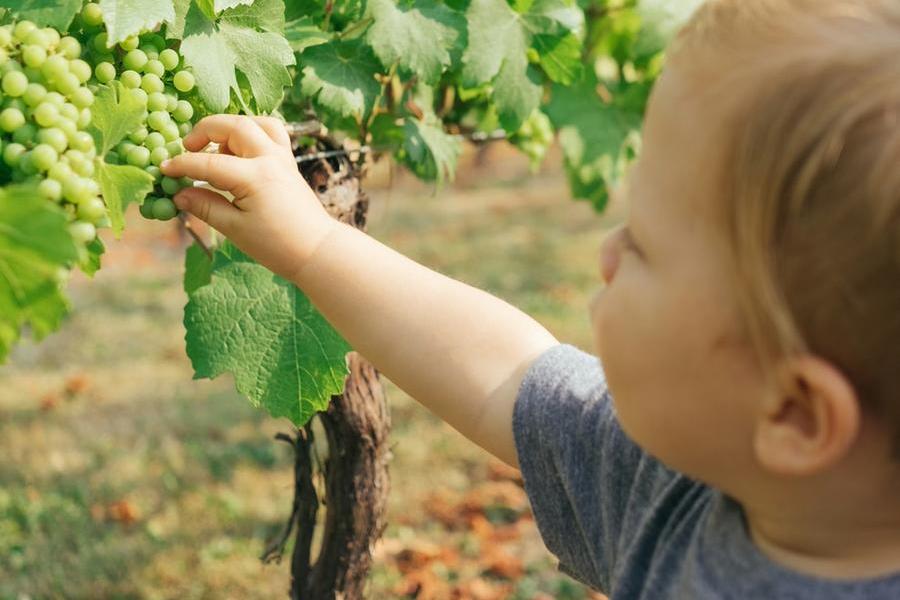
Decades of international scientific research have demonstrated the numerous benefits that the early involvement of fathers in care activities entails, not only for mothers, but also and above all for daughters and sons. Girls and boys whose father was actively and early involved in the first years of their life show higher levels of cognitive and social skillsbetter self-regulation and self-esteem, and better academic progress.
Leaves of significant duration taken by fathers also contribute to the increase and stabilization of female employment. Unfortunately, as highlighted by numerous studies, the responsibility of care in Italy continues to weigh disproportionately on women and mothersi, despite the slow evolution of the paternal role, especially among the youngest.
In the European Union, Italy is in first place for the duration of maternity leave (even if paid 100%, as in many European countries, only where collective bargaining has taken place), but remains in last place for leave reserved for fathers: 10 days, compared to 19 weeks in Spain and 20 in Norwayto give just two examples.
It is clear that just 10 days of leave for fathers is not enough to encourage a real sharing of parental responsibility and the early establishment of the father-child bond. Various categories of workers are also excludedsuch as the self-employed, those registered with separate management and domestic workers.
Despite the strong social demand and the evidence of the importance of equal sharing of care, nothing has been done in recent years to make it possible for fathers to be more present next to their children and mothers. Even the important measures approved in the last two Budget Laws which concerned parental (but it would be better to say “parental”) leave, in particular the structural increase from 30% to 80% of the compensation for three (out of ten) months of parental leave, have not given explicit signals in this direction. These months are in fact all transferable between mother and father, despite the amending proposals presented to limit their transferability in order to encourage sharing. The recent rejection without offering alternatives of the bill for well-paid equal leave extended to all categories of workers once again marked a situation of stalemate and conflict between the parties.
What actions can be implemented to advance at least one step towards greater sharing of care, if not yet towards equality? What does the Government plan to do to bridge the gap between Italy and the rest of Europe in a crucial matter for the development of our country? It is possible to address this issue with a bipartisan approach, discuss, compare and find a shared solution to improve the lives of girls and boys and their parents? It would be appropriate to immediately set up a reflection, involving the majority and the opposition, to start a phased process, for example bringing well-compensated compulsory paternity leave from 10 days to three monthsextending it to all workers, and initially doubling the months of parental leave, also well compensated, assigning half to each parent (except in the case of a single parent, obviously), and then gradually increasing them within a defined time horizon. What appears necessary in this phase is to set up a process in stages, with certain times and commitments, to pave the way for the recognition that the care of girls and young children is a responsibility and a pleasure of both parents and benefits society as a whole.
*Since 2019, the national network Alleanza per l’Infanzia has brought together 39 organizations and associations of national and international relevance with specific skills and experience in the fields of rights, health, education, the development of children and adolescents and family policies, and over twenty scholars and researchers from the main Italian universities.