



“I was no stranger to the flash of lightning; I was no stranger to the roar of thunder.” It starts like this The area of interestthe novel by Martin Amis from which director Jonathan Glazer based the film of the same name, one of the best of the year. After being presented in competition at the Cannes Film Festival (Grand Jury Prize), it is the favorite to win the Oscar for best international film. Here it was premiered at the Rome Film Festival.
We are during the Second World War. Rudolf Höss looks like any officer.
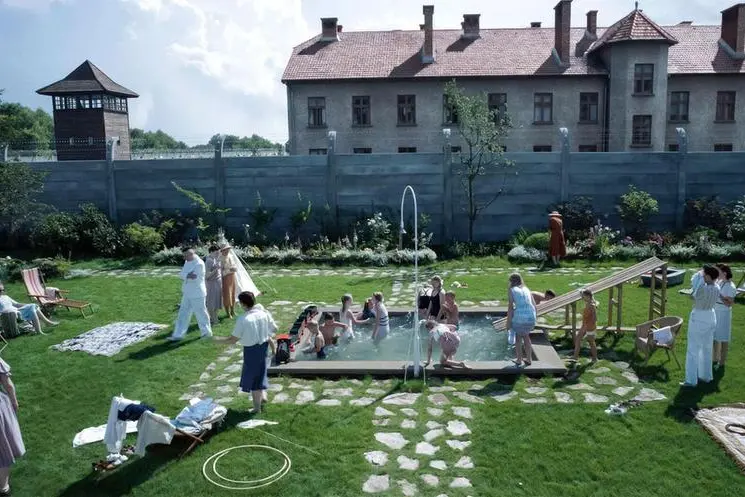
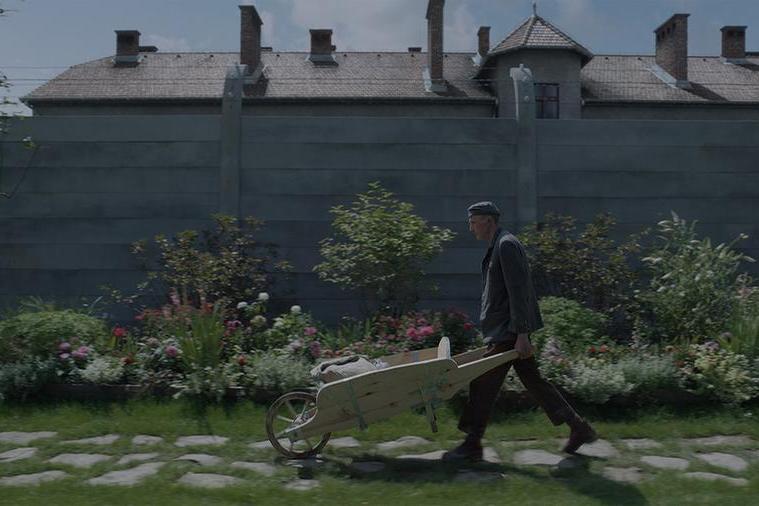
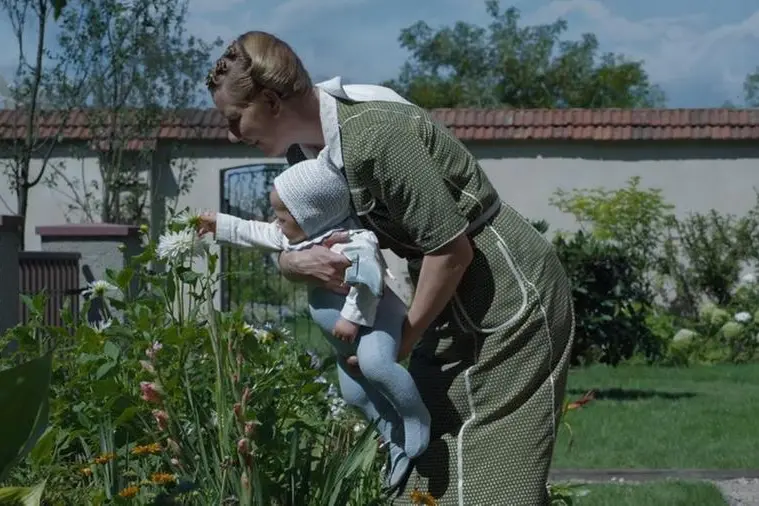
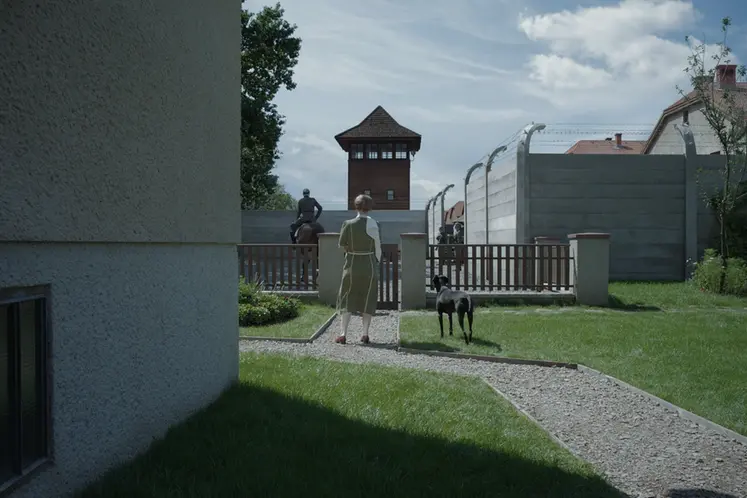
He is bourgeois, has a quiet life with his family outside the city. The children have fun, the wife takes care of the plants. But next to the garden there is a wall, beyond which is the Auschwitz extermination camp, of which Höss is the director.
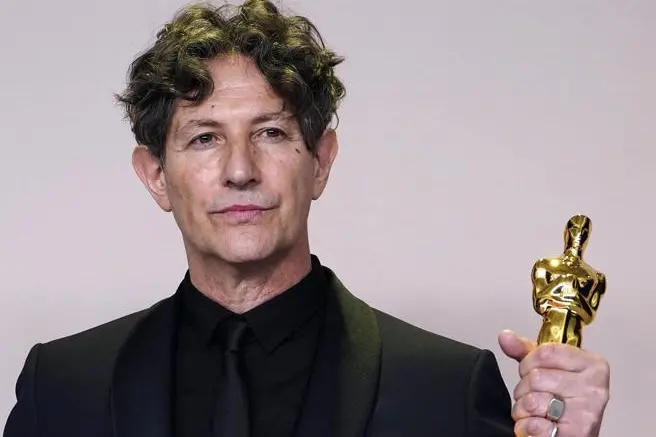
«I wanted to stage the banality of evil: it is the greatest pain, which we cannot escape. Today we have the moral duty to know how to recognize it. How is it possible that human beings can go so far? Could he be guilty of such horrors? I tried to give an answer with this film. The torturers are normal people, esteemed in their society. Ordinary people, one might say, who have chosen to kill their morals and embrace violence. We witness the death of the soul, of every value. Apathy sets in, which turns into a defense against atrocities. This “distancing” allows every tragedy to be made acceptable. And that’s what we have to fight today,” explains Glazer.
From the banality of evil to the origin of evil.
«Exactly, yesterday like today. Apathy is the basis of any racial, tribal or prevarication theme. We cannot give in to bestiality, we cannot forget. We need to investigate the causes, be aware, and apply the right methodology. I study a lot, I try to identify with others, to understand what drives them. It is an internal and external journey.”
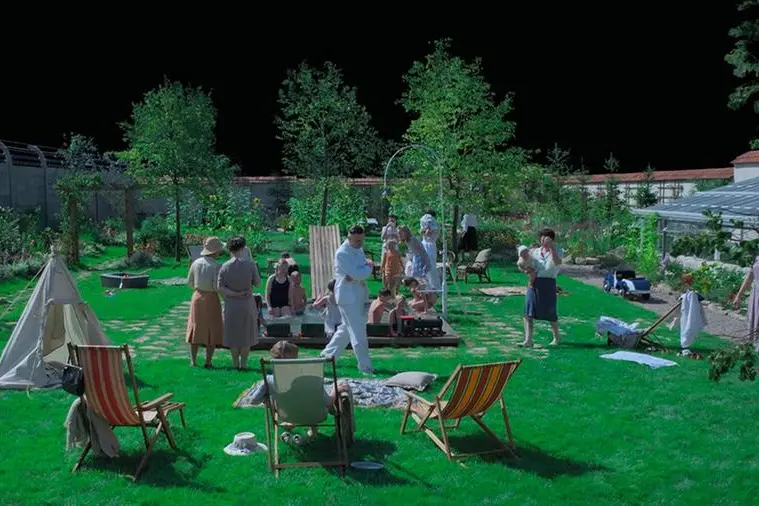
Here we see the Nazis relaxing, going about their daily lives, while genocide takes place around them.
«It’s the approach I wanted to use. Immortalize them in their routine, but at the same time distance yourself from them, coldly. The lack of empathy is a condemnation, a warning. This is a psychological investigation with devastating results.”
What did he discover?
«The pain, the disaster, the regret, the guilt. The one that accompanies us today. Closing our eyes, we have before us images of the Holocaust, from which we cannot feel absolved. With The area of interest However, I tried to give an alternative vision. I didn’t want those deep wounds to become fiction. So I chose to take a step back, not to show, to have an even more powerful effect on the viewer. I worked on the horror of the subconscious, telling the truth behind the war, the screams, the ash raining from the sky.”
Lest we forget…
«It would be unforgivable. The Shoah is part of us, it cannot be removed or denied. There is evidence. We saw the effects, the places, what remained and what was lost. There are the facts, which are irrefutable and go beyond any form of revisionism. We must push away the shadows of those who claim the opposite, be on the front line so that everything is always in the light. Pointing to a stranger and calling him a “monster” is useless. The key is to look in the mirror, analyze ourselves, be aware that we are not like them and demonstrate it with our personality. Otherwise we are guilty.”
It’s as if The area of interest was a new way to address the Holocaust in cinema, to trace an alternative path. Do you agree?
“Absolutely. It’s an open door, which I hope other directors will be willing to walk through. It is the only way to fuel the memory and release the negative energy that torments us every day. I admire those who, with seriousness and competence, choose to change points of view on issues that are central. This is the only way to create debate and raise young people’s awareness: dialogue, culture, correct sources. It is impossible to encapsulate the meaning of the Shoah in a film, we can only take a piece of it and reflect. We can be liars, making those around us believe that we are better, but our body never lies, it rejects our falsehoods. This leads to necessary questions: What has changed since then? What have we become? Each of us has the arduous task of answering for ourselves.”