



The history of the Superior Council of the Judiciary is, after all, a faithful mirror of the Italian Republic. Two seasons follow one another: the first, between the 1940s and the 1980s, marked by the desire to leave fascism behind; the second, from the 1980s onwards, marked by the erosion of that constituent climate and the weakening of anti-fascist and constitutional references. In this long parable, Catholics had a decisive, often underestimated role.
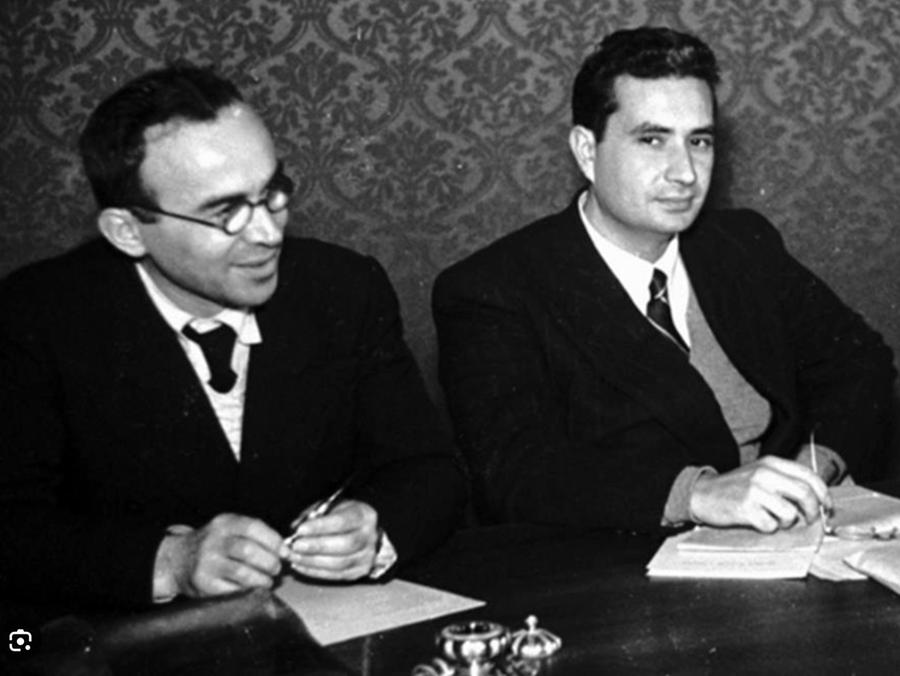
The articles of the Constitution that concern the judiciary and the CSM were born in the context of the great “constitutional pact” between Christians, socialists and communists. But it was above all in the Catholic world that a decisive reflection on the independence of the judiciary developed. The names are those that marked the birth of the Republic: De Gasperi, Dossetti, Lazzati, La Pira, Moro.
The lesson of fascism was clear. To prevent judges from returning to depend on political power, it was necessary to build a system of self-government. Hence the idea of the Superior Council of the Judiciary: a body capable of guaranteeing that magistrates were truly “subject only to the law”. With the CSM, a unique institution in the world, the constituents translated the liberal principle of the separation of powers into reality.
Alongside the professional members, a third of the CSM was entrusted to members elected by Parliament. It was the attempt to keep together independence and collaboration between the powers of the State. A delicate balance: avoiding political control over judges but also preventing the judiciary from becoming a closed and self-referential body. In the session of 12 April 1947, the magistrate and jurist Edmondo Caccuri, who supported the composition of the CSM exactly as it was then approved, recalled that “magistrates must have before them, as has wisely been established in the Constitution, only the law and their conscience, unless one wants to allow the voice of politics to enter where the voice of justice must remain sovereign”.
The plan of the constituents was not realized immediately. The Cold War froze the implementation of many constitutional provisions for years. However, when the international climate eased, the path of reforms resumed. It was in the centre-left season that the CSM was finally established in 1958. Even in that passage the Catholic initiative was decisive: La Pira, Moro, Fanfani, Segni, Gronchi were among the architects of that “constitutional thaw”.
For a few decades the system worked. Between the 1950s and 1970s, despite tensions and contradictions, the “constitutional pact” remained the point of reference for Italian political life. The Christian Democrats played the role of a pivot party, capable of keeping the different components of the system together. In that context, the judiciary also changed its face. Thanks to the CSM and the Constitutional Court, the judges gradually abandoned a formalistic approach to become – as President Sergio Mattarella defined them – “agents of the Constitution”, guardians of rights and legality.
The picture changed radically from the 1980s onwards. The crisis of the parties, the global economy and the growing power of the executive to the detriment of Parliament altered the balance between the powers of the State. In Italy, the Mani Pulite season accentuated the clash between politics and the judiciary, often transforming judges into protagonists of the public scene and leaving a controversial legacy.