





A level of protection deemed “moderate” by the health authority in its latest bulletin.
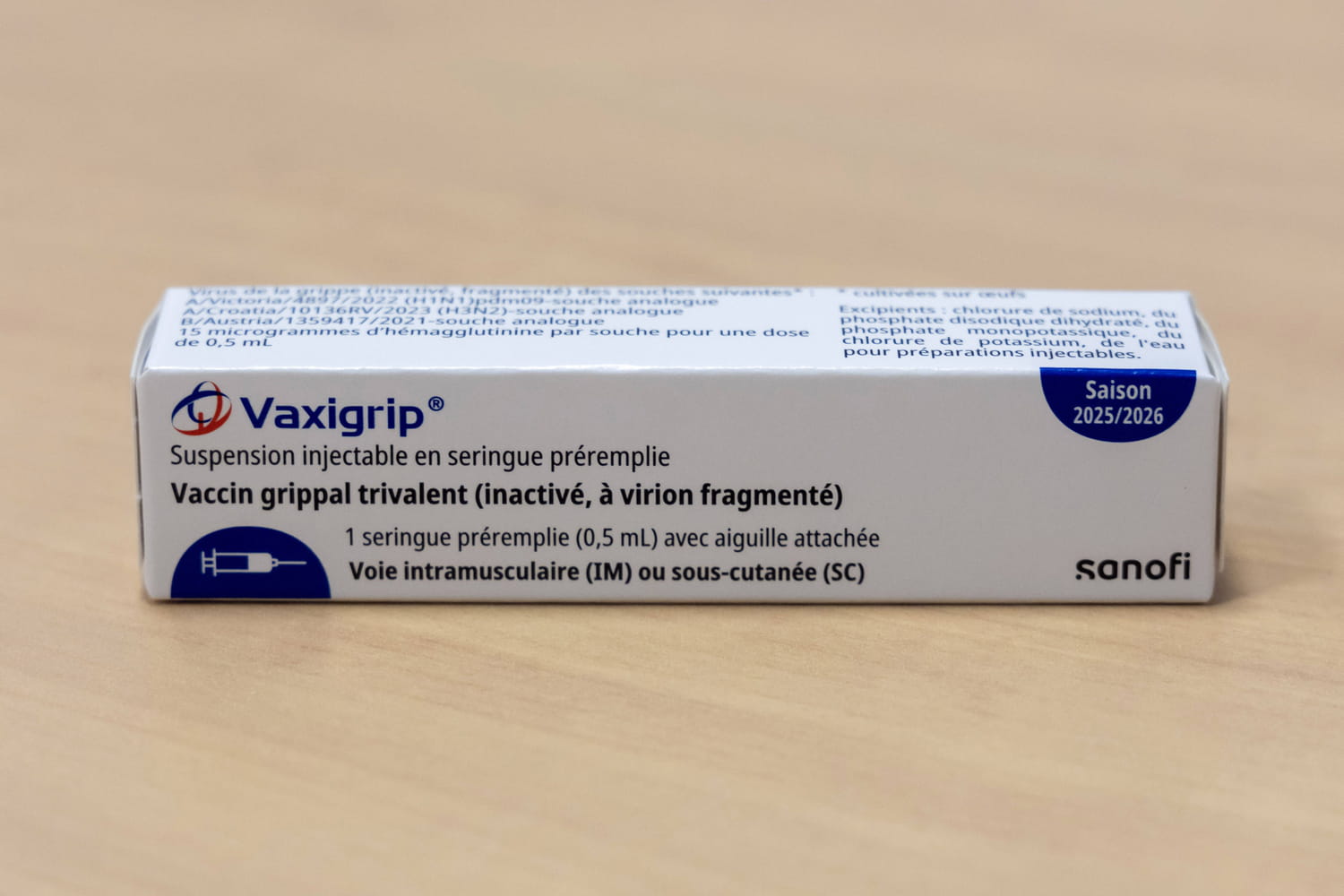
While the flu epidemic is still alive in France, the first estimates of the vaccine’s effectiveness were published by Santé Publique France on January 7. According to this data, vaccination would reduce the risk of catching the flu by around 36%, all ages combined. A first figure which may seem low when millions of French people have been vaccinated to protect themselves from infection. It’s even less among seniors…
These results come from the analysis of data collected in real conditions, from a network of laboratories spread across the territory, and relate to the first weeks of circulation of the virus. They confirm that the effectiveness of the vaccine is not the same for everyone. It is particularly lower among people aged 65 and over: 26% according to Santé Publique France. Conversely, the vaccine is 46% effective in adults aged 18 to 64, and 61% in children and adolescents. The lower protection in older people is partly explained by a less effective immune response with age.
Why do we talk about “moderate” effectiveness?
Santé Publique France speaks of “moderate” effectiveness for the flu vaccine. An effectiveness of around 30 to 40% actually corresponds to what is usually observed for flu vaccines. Unlike other vaccines, the flu vaccine is adapted each year based on viruses expected several months in advance. This season, the circulating flu virus (K variant) is slightly different from the one on which the vaccine was designed, which may explain lower protection (less than 40%). Despite this, the level of effectiveness observed is considered comparable to that observed in other European countries, and even better than what was initially expected.
Even when the vaccine does not completely prevent infection, it remains useful in limiting serious forms of influenza, hospitalizations and complications, particularly in the most fragile people. Santé Publique France also recalls that vaccination coverage remains insufficient, particularly among the elderly (44%) when they are the most exposed to severe forms of the disease. Health authorities finally emphasize that these figures are still provisional and will be updated in the coming weeks, as new data becomes available.