
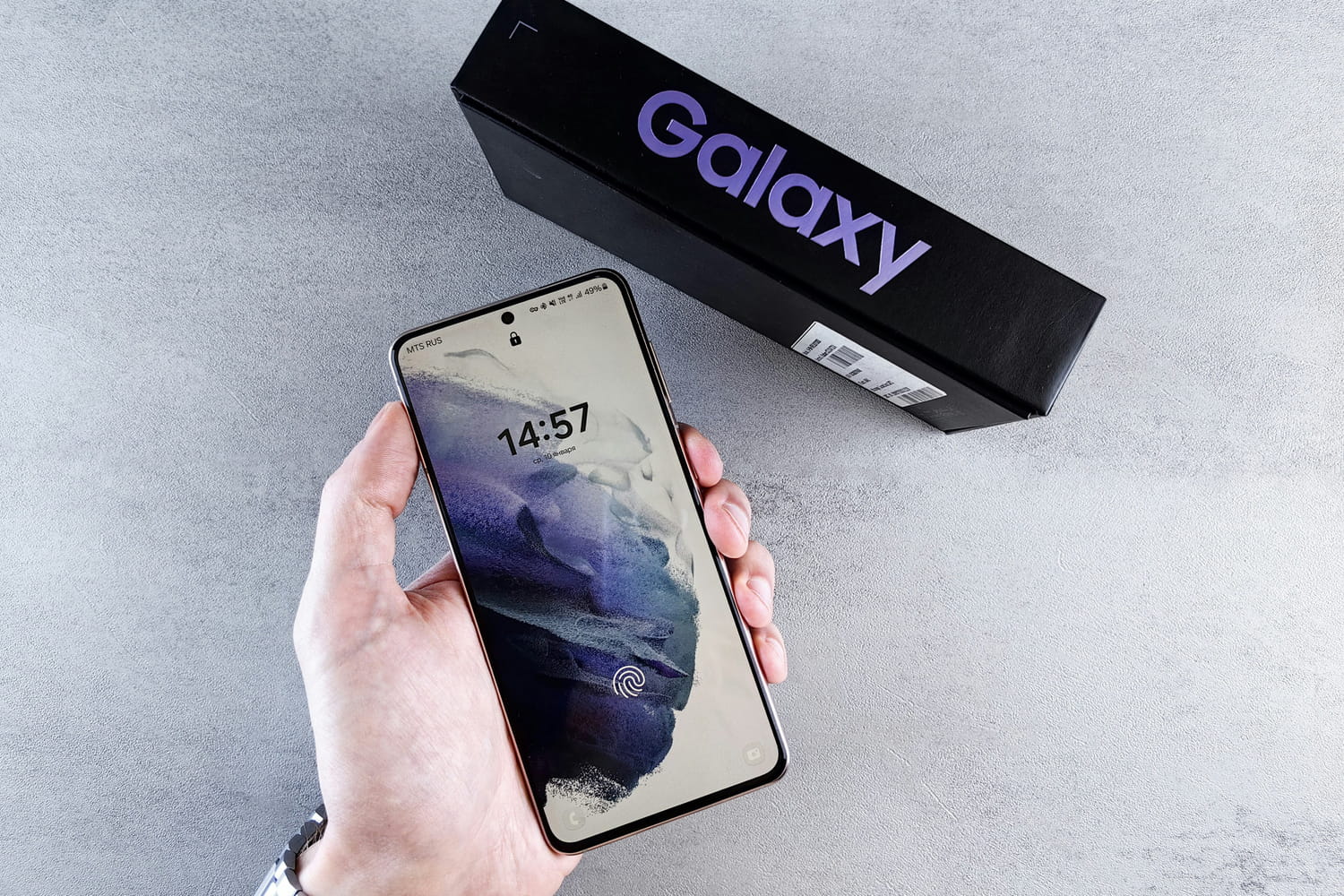





Criminals are no longer content just with pickpocketing to get brand new cell phones: now, a new scam is circulating, and they no longer even need to approach their target.
Buying a new smartphone is often a significant investment, with most models costing several hundred or even thousands of euros. Yes, you now have to pay almost a minimum wage and a half to afford the latest iPhone 17 Pro Max, the price of which rises to 2,479 euros with all the options. The same goes for fans of Android competition: the latest Samsung Galaxy S26 Ultra goes up to 1,969 euros. A colossal budget which calls, even more than before, for caution. We are paying more and more attention to this, spending a few extra euros on cases and other screen protectors, and above all, we hold them firmly in transport or in the street in order to avoid pickpockets… But the problem is that criminals have today developed much more pernicious methods.
No more snatching: the latest trend among crooks is to steal your brand new device… without even having to approach you. By relying on formidable manipulation and perfect timing, these criminals manage to steal your precious phone remotely, with disconcerting ease. A scam so well crafted that it is claiming more and more victims, even among the most suspicious.
The scammers’ technique is extremely simple: after purchasing your new smartphone, they call or send you an SMS pretending to be your operator. Thanks to details like your name, your address, your number or even the specific model of the phone – information that is already widely circulating online – their request seems completely credible. This is where the trap closes. The scammers explain that there was an error in the order, and that it is urgent to return the laptop to receive another one, this time without defects.
“This scam works because it looks legitimate and makes you feel like you need to act immediately. And when you’re in a hurry, you’re less likely to stop and check.”explains Sandra Glading, cybersecurity expert at McAfee, to Reader’s Digest. Indeed, the tone of the fake operator is often urgent, and it highlights the risks: without immediately returning the phone, it could be blocked or the warranty canceled for example. An all the more convincing argument is that the scammers provide a free return label, directly by email or to print via a QR code, and which then just needs to be stuck on the package.
As you will have understood, this is a scam aimed at recovering your brand new smartphone and then reselling it. And once the trap is closed, it is impossible to find said phone. On the other hand, certain signs must alert you in advance, as with any other scam: requests that are too pressing or insistent, identifiers to be provided, or a suspicious telephone number. The best solution is to hang up and, in case of real doubt, call your operator yourself on their official number to confirm the veracity of the approach. “Scammers rely on your responsiveness. Go directly to the source, taking the time to check can save you from losing a very expensive device.”