



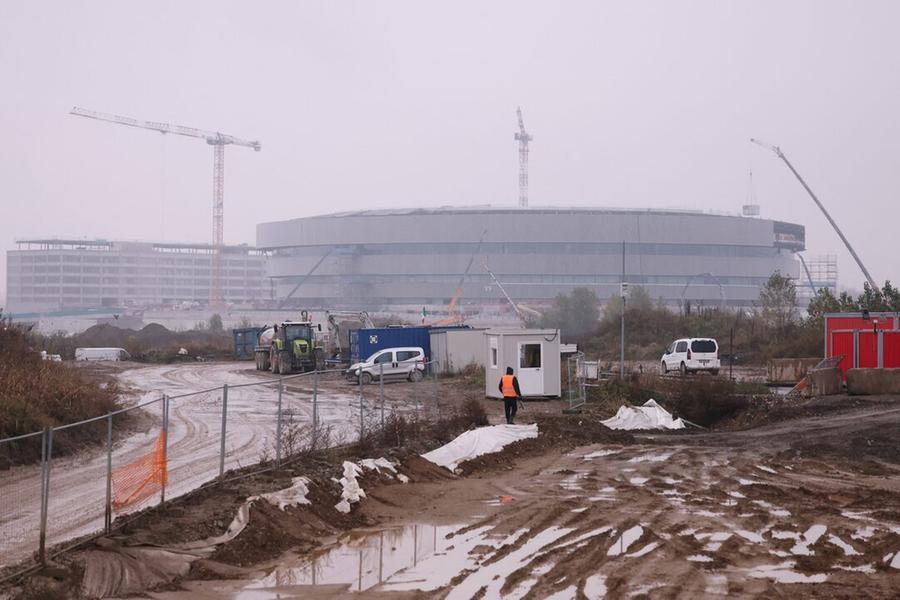
Fifty-one days to go. Exactly fifty-one days until the lighting of the Olympic flame of Milan-Cortina 2026. In Santa Giulia, time is not measured in calendars, but in concrete flows, in nocturnal pours, in trucks that enter and exit the construction site and the neighborhood like a labored breath. The countdown here is physical: you can feel it in your nose with the smell of smoking tar, and in your bones, especially today, under an insistent rain and a cold that seems to want to remind everyone that winter doesn’t wait for the rendering.
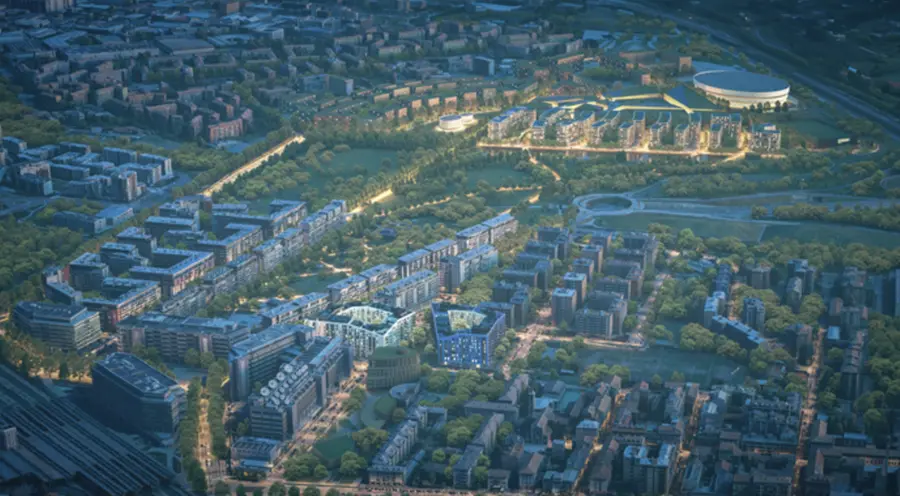
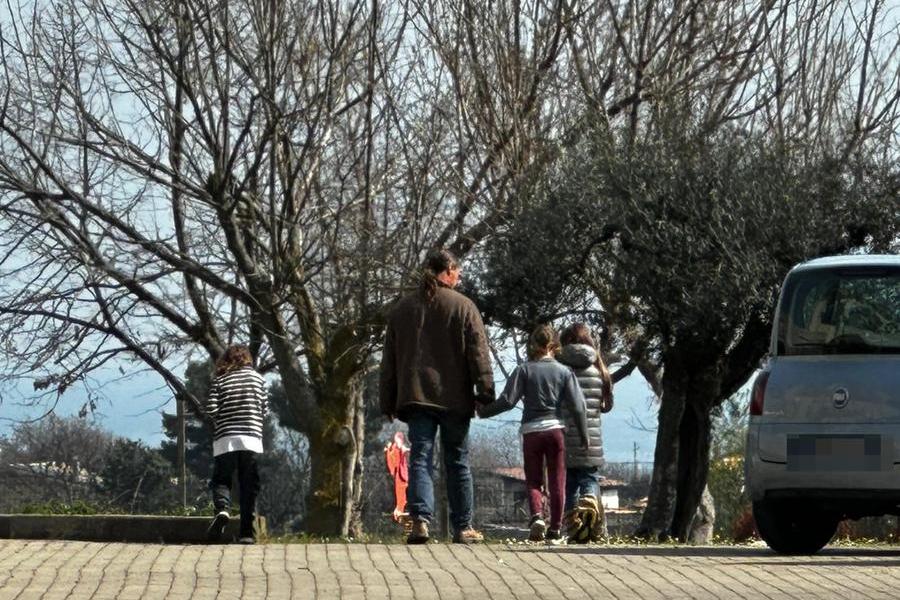
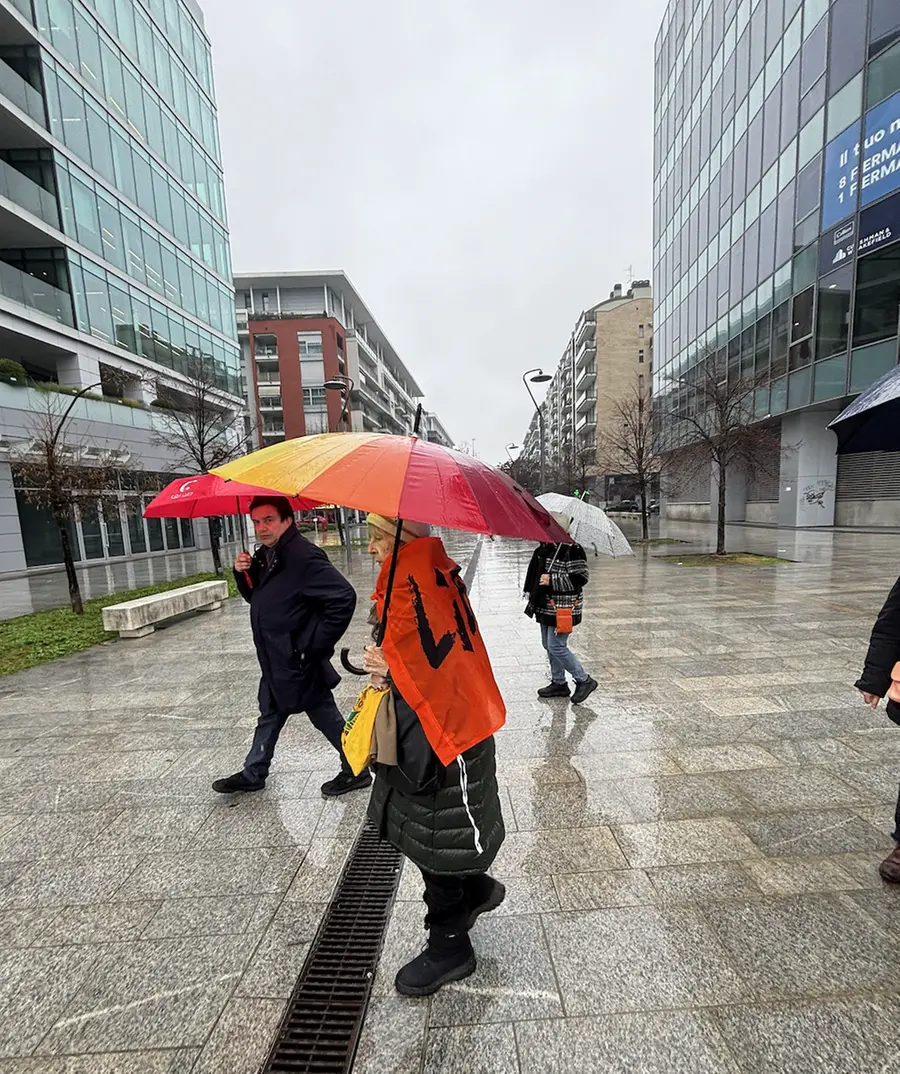
Yet we walk. We walk the same. A group of citizens, activists, researchers, inhabitants of the neighborhood. It is not a guided tour, it is not a protest in the classic sense. It’s a monitoring walk, as they call it Free (the association founded by Don Luigi Ciotti) and Common School: an act of civil attention, a way to put the body back inside the places and ask for an account of what is happening. Here, south of Milan, where the PalaItalia – the Olympic ice hockey arena – should be built and where the global event promises spectacle, legacy, relaunch. Promises. But it explains little.
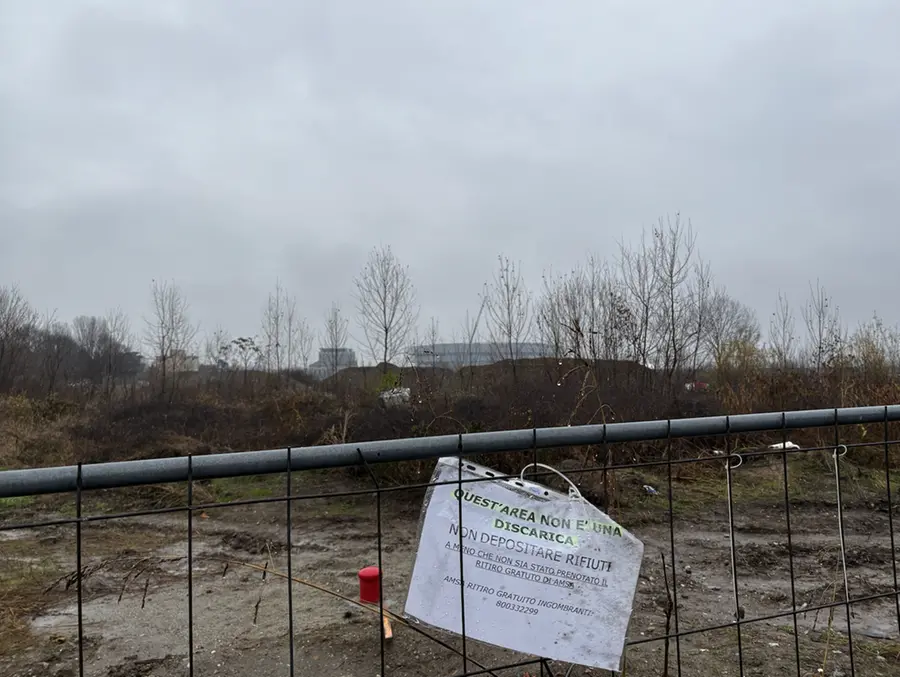
The soil that does not forget
«Here there was the Redaelli steelworks». Pietro Basile, representative of Libera Milanospeaks while walking, as if the pace helps the thought to remain adherent to the ground. He acts as a guide and interpreter, a sort of urban Virgil who accompanies the group through the modern circles of contemporary urban planning: partial reclamations, downsized projects, rising costs.
Under our feet there is not only recent asphalt. There is one stratification of industrial memories: warehouses, rails, goods. Santa Giulia was born on a freight, not passenger, railway yard, one of those that kept the Milan factory running. Materials arrived and departed here, long-distance trains stopped here waiting to go into service. It was a productive area, alive, dirty, but with a clear function.
The transformation began in the early 2000s. It was 2005 when the major urban redevelopment project signed by Norman Foster took shape. A global name for an operation that wanted to be symbolic: the post-industrial Milan that is reborn, elegant, sustainable, contemporary. Santa Giulia becomes the youngest neighborhood in the city. Just twenty years old. But it carries a weight that seems much older.
The reclamations, says Basile, are done in an approximate manner. Too. The judiciary notices this, intervenes, stops the work, imposes more rigorous safety measures on the land. Here, previously, there was also a quarry with a blue lake in the center, used for the disposal of chemical materials from the companies that extracted and processed them. A heavy legacy, which does not disappear with a coat of green paint.
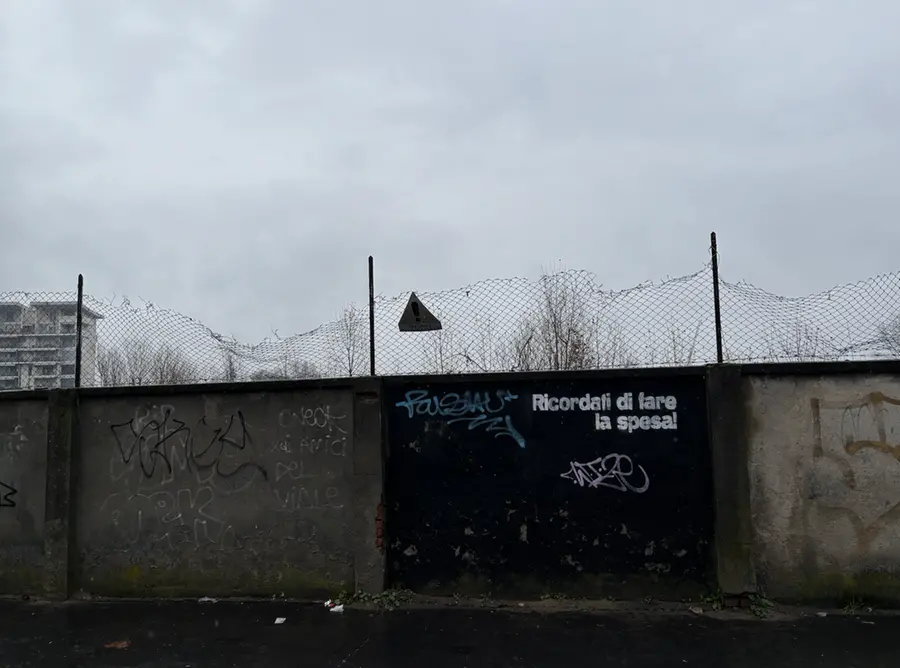
Clearing to build buildings costs less than clearing to build parks. And so green often remains on paper, while construction progresses. Robinson Park, promised to many residents, never arrives. Some condominium owners continue to complain: they should have seen trees from their windows, not other buildings.
Via Cassinari is the axis, the Roman cardo on which the neighborhood should have developed. In the initial intentions it would have been called Montecity Avenue. The name says it all: a high-end redevelopment, a Milan 4, after Milan 2 and Milan 3. A city within the city, designed to attract a certain type of inhabitants, a certain type of income, a certain type of life.
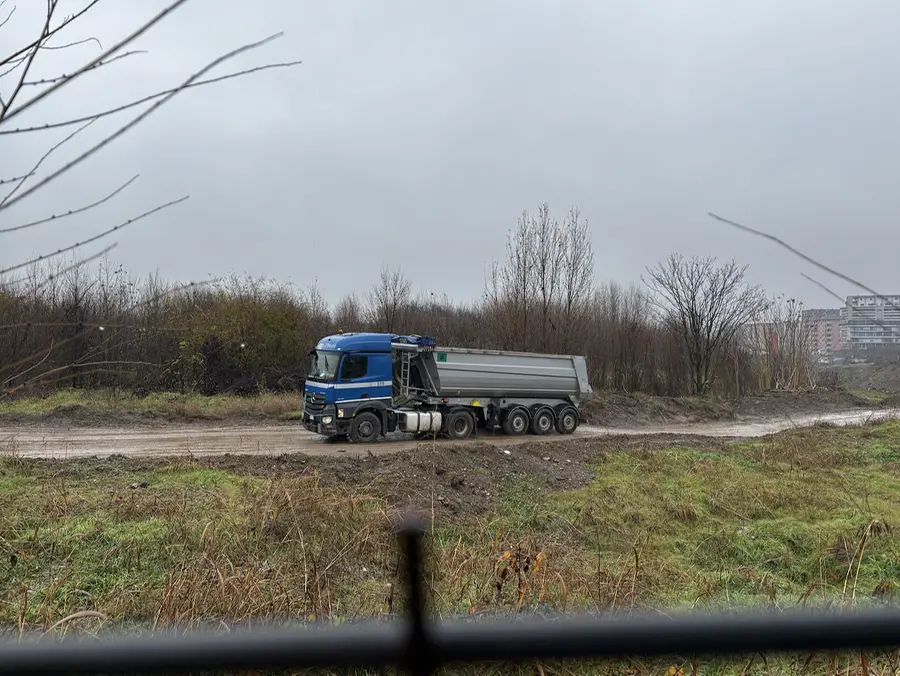
Today that direction reaches a point and then stops. Basile stops and points to the perspective. «From here on Milan ends». It’s not a metaphor: it’s an urban planning observation. Santa Giulia is a young, expensive, but not very integrated neighborhood. Prices per square meter fluctuate between 3,900 and over 4,000 euros, values from well-connected semi-peripheral areas. But here the city remains distant, separated by railways and infrastructures that divide rather than unite.
The result is a paradox: a new neighborhood that already appears unfinished, a prestigious suburb that is struggling to become a city. And now, suddenly, an Olympic neighborhood.
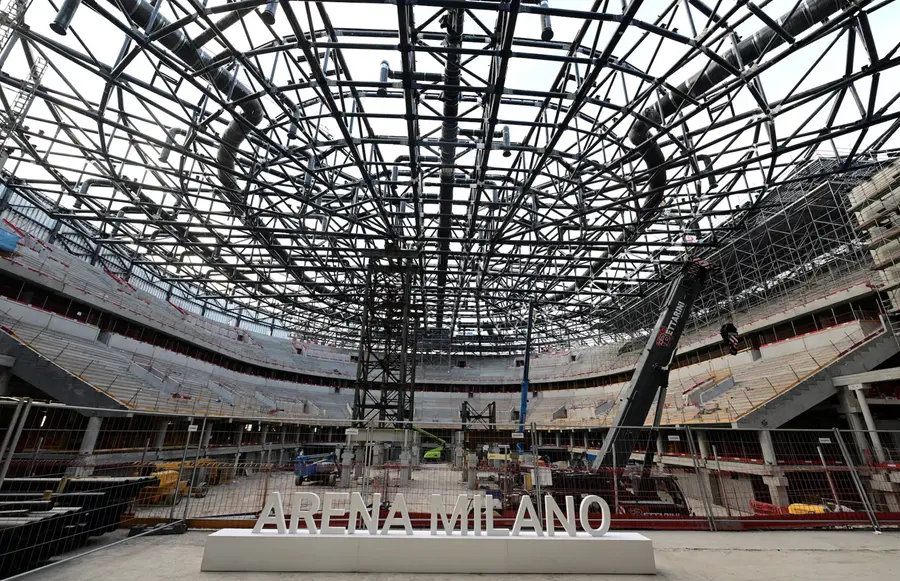
The construction site that doesn’t speak
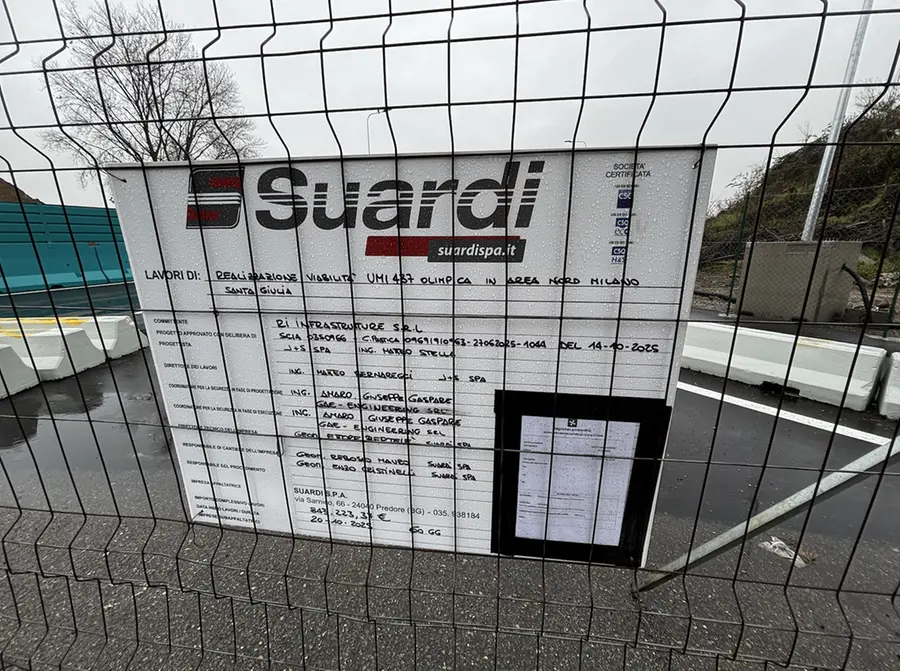
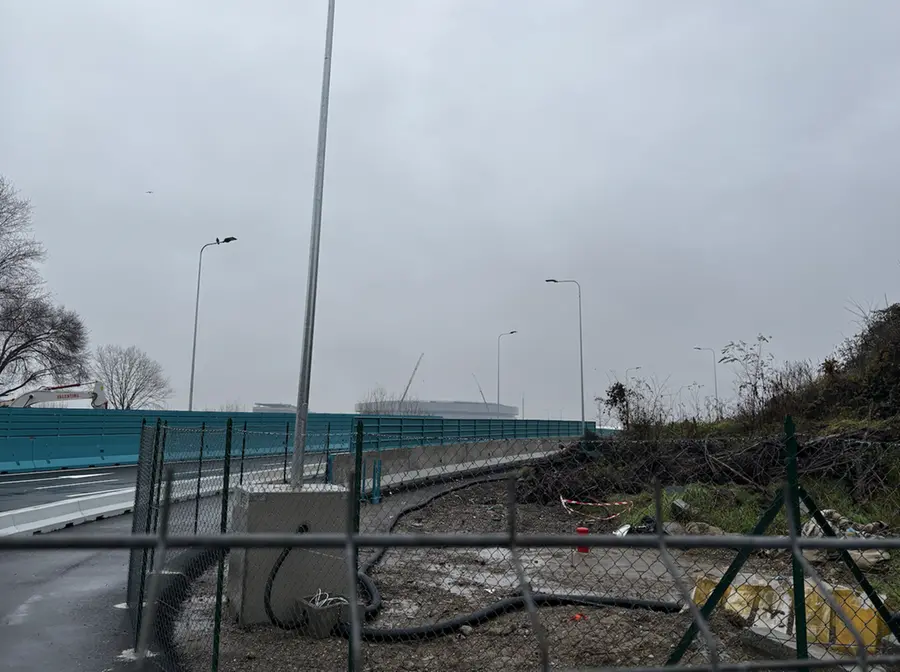
Approaching the PalaItalia area, the impression is that of an enormous suspended work. Eight hundred workers at work, they say. Cranes silhouetted against the gray sky, cement mixers spinning non-stop. Yet something is missing. Information signs are missing: no clear durations of the construction site, no legible intended uses, no explanation accessible to citizens.
The official cost of the arena is 200 million euros, a private investment. But estimates already speak of 270 million at the end of the works. Seventy million more. A simple and stubborn question focuses on those seventy million: who pays? How is that figure made up? What public funds come into play?
The investor is Eventim–TicketOne. And the arena, looked at closely, tells an uncomfortable truth: it was created more for large musical events than for sport. Sixteen thousand seats, a perfect machine for concerts. But for basketball it has a “silver” license, which severely limits the number of spectators allowed. For ice hockey, an Olympic discipline for which the facility is considered essential, the structure would not be fully approved.
CONI grants an exemption, turns a blind eye – maybe two -. The Italian Ice Sports Federation, according to Libera, expressed a negative opinion. The result is a short circuit: a central work for the Games that does not fully respect sporting standardsbut is still considered sufficient for the event.
Public emergencies
There is another level, quieter but equally relevant. The road, accessibility, lighting and urbanization works should have been borne by private builders. It was written in the specifications. A few months after the event, however, private individuals declared that they were unable to respect their commitments.
The Municipality of Milan intervenes in an emergency: seven million euros from the mayor’s cabinet funds. For comparison, the entire annual budget of the Municipality’s Sports Department is around eight million. Works done quickly, under pressure, which – it is explained – will be dismantled after the Games because they are not up to standard.
Public money for temporary infrastructures, destined to disappear. Without it being clear whether and what penalties will be applied to non-compliant private individuals. A stopgap solution, which leaves more questions open than it closes.
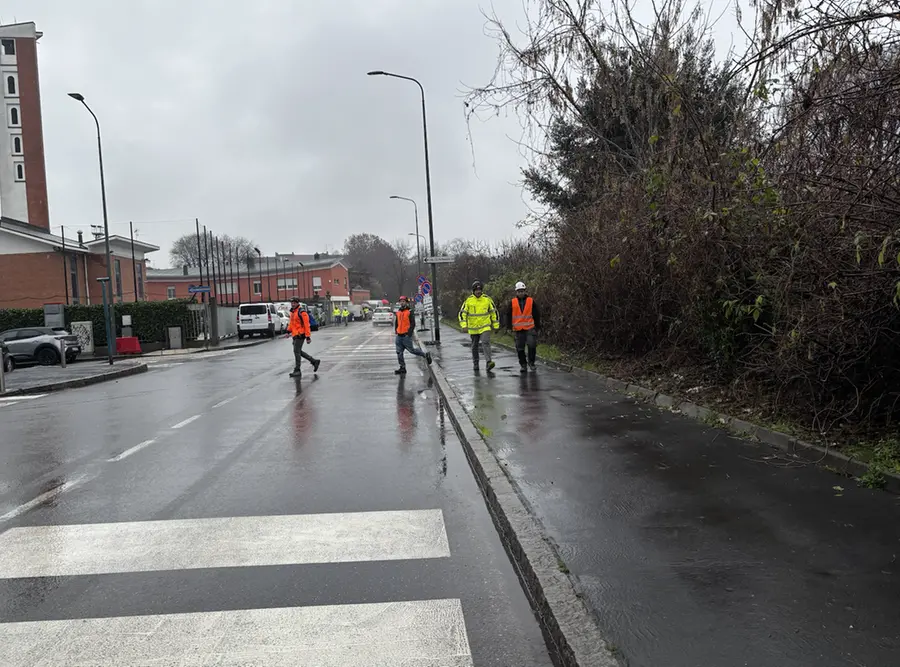
Access denied
Libera and Scuola Common ask for data. They present requests for generalized civic access. Lombardy Region responds and delivers the documentation. The Municipality of Milan, however, initially denies it. It then accepts the request, but postpones the delivery of the documents until the end of the proceedings, to protect presumed counter-interested parties.
In other words: the documents do not arrive. Not now. Maybe not in time to understand what’s really happening.
Without data there is no informed debate. There isn’t even a solid opinion. Only the opacity remains.
Bringing order – or at least trying – is Leonardo Ferrante, of Scuola Common and the national Open Olympics 2026 network. The third report, published close to the Games, is a merciless x-ray of the right to know.
On the Open Milano Cortina 2026 portal there are 98 works, for a total investment of 3.54 billion euros. Of these, 31 are works essential to the holding of the Games, 67 fall into the so-called legacy. The disproportion is evident: only 13% of spending concerns what is directly needed for the Olympics; 87% finance permanent infrastructureespecially road and rail. For every euro allocated to sport, 6.6 euros go elsewhere.
The state of progress tells another inconvenient truth: only 42 interventions will be completed before the start of the Games. 57% will finish later. The last construction site is expected in 2033. Sixteen works are classified as “finished before the Olympics”, but in reality they will only be definitively completed after the event, including essential works such as the Cortina Sliding Center and some artificial snow interventions.
Crucial information is missing: the environmental footprint of individual works, the financial sources of cost increases, the economic values of subcontracts. Without CIG and amounts it is not possible to cross-reference the data with ANAC or evaluate market concentrations and risks.
And then there’s everything that’s left outside the portal. The Lombardy Region, on its platform, lists 78 interventions for over 5 billion euros, many of which do not appear in the official Olympic data. The overall budget of the Milano Cortina 2026 Foundation is declared to be 1.7 billion, but the document is not public. On the security front, 271 million are allocated, taking resources away from other sensitive funds. On the health front, each Region proceeds on its own.
As the walk ends, one last piece of information arrives, almost off-screen. The Economy decree, under discussion in Parliament, provides for new allocations: 44 million for the logistical needs of the Games, 5 million for the swimming facility of the Municipality of Milan, and above all 30 million public euros for Santa Giulia, intended for the stipulation of agreements for sporting events on a multi-year basis.
More public resources. Still decisions made close to the event. When the collective attention is elsewhere.
The question that remains
Santa Giulia, in the rain, thus becomes a perfect metaphor for these Olympics. A gigantic machine that runs fast, leaving shadowy areas behind it. Great promises, great works, great numbers. And a constant struggle to obtain clarity.
It’s not an accusation, Libera insists. It’s a question. What will all this be used for afterwards? Who will really benefit? What will the legacy be for the community that lives here, year-round?
As long as the data remains partial, as long as the answers arrive late or not at all, the only certain legacy risks being this: having built a lot, told little and asked citizens to trust. And having done it while, under a stubborn rain, someone continued to walk to see, understand, remember.