


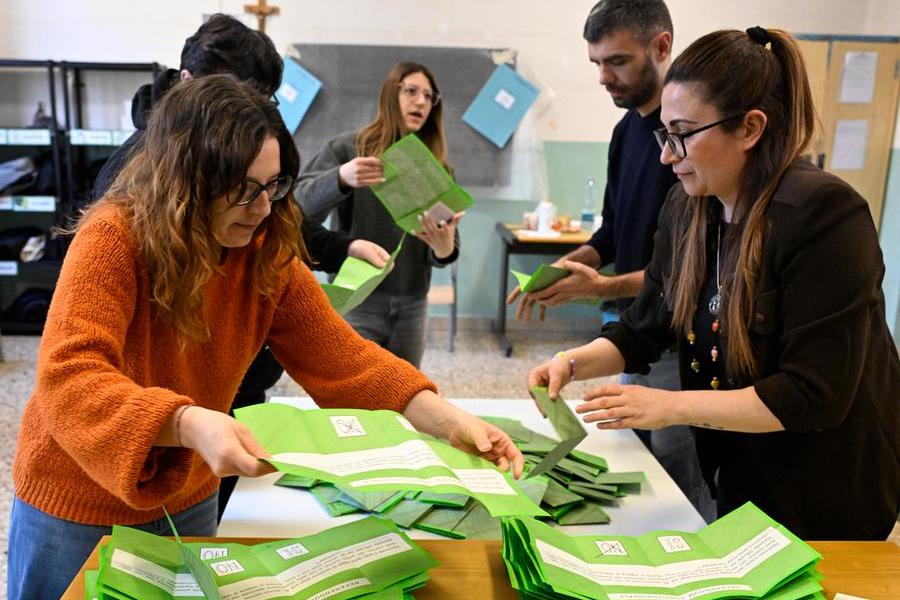


There are some considerations that can immediately be drawn from the outcome of the referendum on justice. First of all, the high percentage of turnout, it hasn’t happened for a long time that so many Italians went to vote: it means that our Republic can still be based on direct democracy when necessary, because the country responds. It certainly wasn’t a given given the low percentages of those who went to the polls in recent administrative rounds. This referendum on justice brought people back to the polls, it restarted a participation that seemed as worn out as certain institutions that claim to represent it. Direct democracy, when it is not reduced to a farce or a propaganda tool, still works.
The victory of the no vote is relatively clear, therefore it leaves behind the rubble of a country that is split, divided, cut in two like an apple, polarized if not radicalized, thanks also to the excesses of this referendum campaign which saw very heated tones on both sides, such as to have required the intervention of the head of state to tone it down. Another striking fact is the gap between the Northern productive classes who voted yes and the rest of Italy, who were against that reform.
As for the political consequences, it will certainly not be possible to ignore them given the tone of the referendum campaign. Prime Minister Meloni had already announced some time ago that there would be no consequences in terms of governability and that the legislature would end. But there is no doubt that the coalition that supports it is worn out (you feel like asking, as the Minister of Justice Nordio did, not to attribute political significance to the result), and not a little. The no to justice reform is also a halt to other reforms in the pipeline, from the electoral law to the premiership. There is no doubt that the electoral campaign for the next political elections starts today, but on a different level from that in the majority’s plans.