





Psychologist Blandine Chemin-Sauque and oncologist Géraldine Lauridant reveal to us the words to say and those to avoid in such a moment.
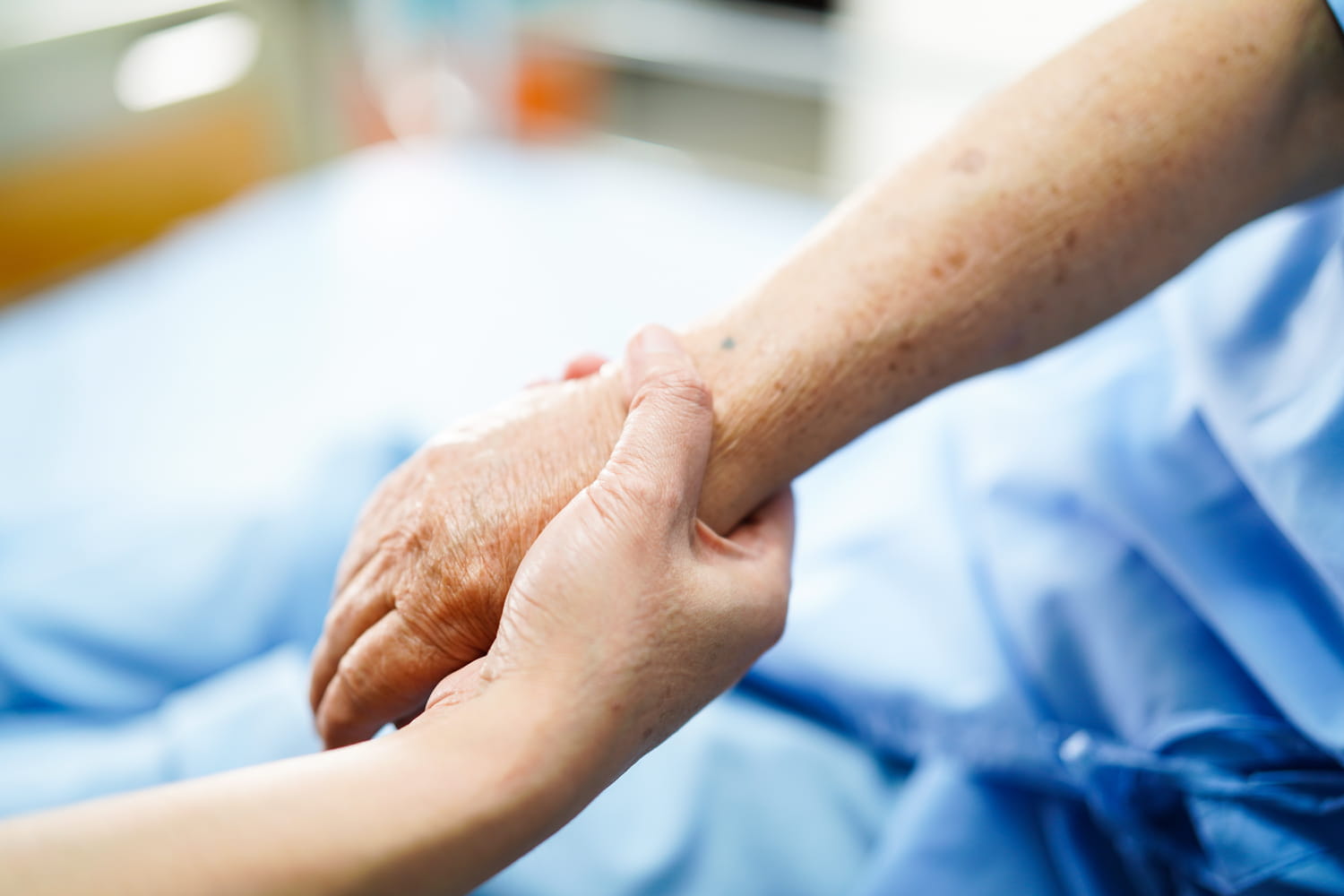
The news of cancer is always a shock, for both the patient and the person caring for them. As part of the “Cancer Plan” put in place by the medical profession, the loved one present during the announcement is not a simple spectator, they are an essential support. However, faced with the brutality of this moment, it is not always easy to know what to say.
Most of the time, the announcement causes astonishment. This phenomenon, described by Dr Géraldine Lauridant, medical oncologist, places the individual “in the fog”impairing his ability to register what the doctor says. “It is said that at the time of the announcement, 15 to 20% of the information is retained” specifies psychologist Blandine Chemin-Sauque. This is why, “it is important that there is someone else there, to integrate a certain amount of information”. The loved one may be better able to hear what is being said, because after a series of tests, they were able to “start to mentalize the event” and expect “bad news”. This caregiver then serves as a memory and can later restore the elements that the patient was unable to remember.
To support a loved one during the announcement, the key lies in an active and non-intrusive presence. The important thing is to “give the person time to digest” without pressing it. Dr. Lauridant warns against the use of “it’s going to be fine.” Often, “it’s as if the caregiver wanted to reassure themselves”while the patient is fully aware of the situation. A fairer formulation would be: “We will fight together”. Above all, prioritize making your presence known, as Blandine Chemin-Sauque explains, by simply saying this sentence: “You are not alone, I am here” which you can possibly punctuate with “We are both going through this ordeal”. Finally, you can ask your loved one what they need to hear: “Do you want to talk about it again now?”, “Is it better for you to talk about it on a daily basis or not?”.
Beyond words, real support is found in the “practical-practical”, after the announcement, when life with the treatment begins. Picking up children from school or managing a drive are “very basic things” which release a “psychological availability to face illness”underlines the psychologist. Be careful, however, to avoid overprotection. “Sometimes, caregivers want to do well by doing everything for the patient”but it is crucial to “respect autonomy”insists the oncologist. To position yourself well as a caregiver, the important thing is to “stay flexible and adapt”.
Thanks to Blandine Chemin-Sauque, psychologist and therapist, co-author with Eloïse Maillot-Nespo of “When you become a family caregiver” (ed. Albin Michel). And thank you to Dr. Géraldine Lauridant, medical oncologist at Les Dentellières Cancer Center.