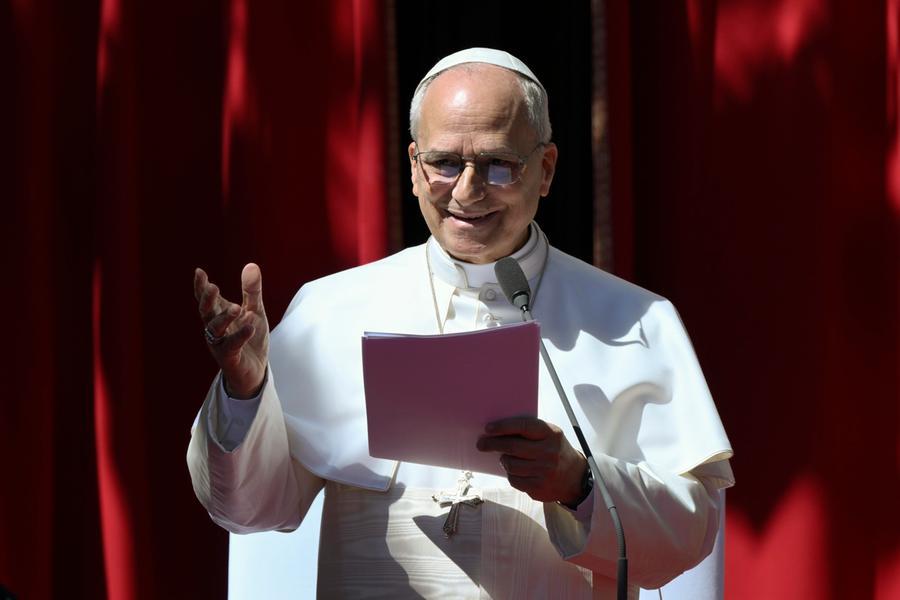
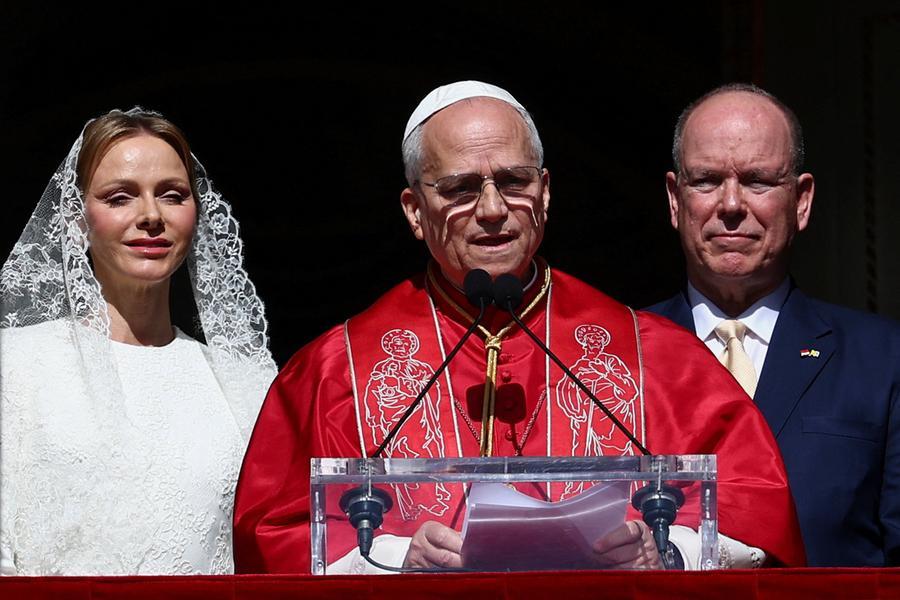




An appeal to use riches “in the service of law and justice, especially in a historical moment in which the display of strength and the logic of abuse damage the world and compromise peace”. And also an invitation to question how much the current economic and social model is really “fair and based on solidarity”. Pope Leo visiting the principality of Monaco, the first Pontiff of the modern era to set foot there, addresses the 38 thousand Monegasque citizens, many of whom, he underlines, come from various other countries, to remind them that it is necessary to offer “new orientation maps capable of stemming those forces of secularism which risk reducing man to individualism and basing social life on the production of wealth”. Precisely in the small state considered a tax haven the Pontiff asks to “go beyond the logic of the exchange of equivalents and profit as an end in itself to build a more equitable society”.
At the invitation of Prince Albero, who had met him in January, the Pontiff decided to visit the small state, fitting the trip between his Lent commitments and the demanding visit to four African countries, which he will undertake starting from 13 April. And for once the wide avenues of Monte Carlo were filled, instead of luxury cars, with pilgrims who, backpacks on their shoulders and yellow hats, awaited the visit of the Pontiff.
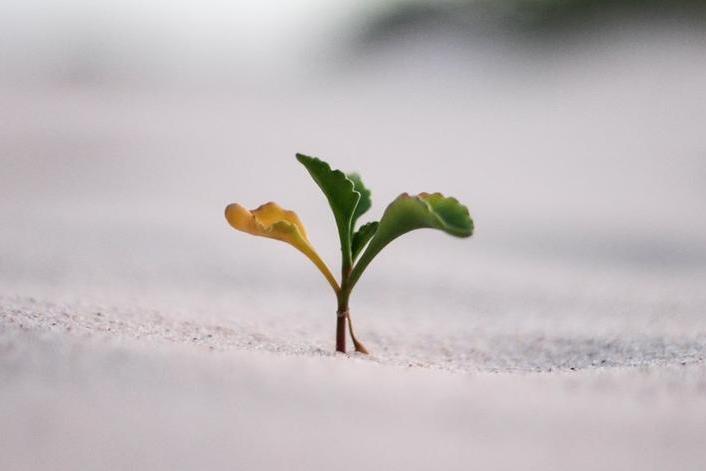
Three speeches in the morning, meeting the authorities, the Catholic community and young people to underline “the profound bond” that unites this small City-State “to the Church of Rome and the Catholic faith. Overlooking the Mediterranean and nestled among the founding countries of European unity, your land has in its independence a vocation for meeting and caring for social friendship, today threatened by a widespread climate of closure and self-sufficiency”, explains the Pontiff, recalling, without saying it, the contribution that Monaco made to the Helsinki Conference on European cooperation when, albeit starting from its own smallness, it facilitated dialogue and mediation between States. «In the Bible, as you know, the little ones make history!», underlines Leone. And he explains that «authentic spiritualities keep this awareness alive. It is necessary to trust in God’s providence even when the sense of impotence or insufficiency prevails, because we believe that the Kingdom of God is similar to a tiny seed that grows into a tree. Of course, this faith only changes the world if we do not fail in our historical responsibilities.”
The Pontiff underlines the pluralistic composition «of your community which makes this country a microcosm, to whose well-being a lively minority of local people and a majority of citizens from other countries of the world contribute. Among these, quite a few occupy roles of considerable influence in the economic and financial fields, many are those who carry out service tasks, and many are also visitors and tourists. Living here represents a privilege for some and for everyone a specific call to question their place in the world.”
We must also ask ourselves how to make use of our talents. «Because», says the Pontiff, «what has been entrusted to us should not be buried underground, but put into circulation and multiplied in the horizon of the Kingdom of God. This horizon is broader than the private one and does not concern a utopian world: the Kingdom of God, to which Jesus consecrated his life, is close, because it comes among us and shakes the unjust configurations of power, the structures of sin that dig abysses between the poor and the rich, between the privileged and the rejected, between friends and enemies. Every talent, every opportunity, every asset placed in our hands has a universal destination, an intrinsic need to be not retained, but redistributed, so that everyone’s life is better.”
And precisely in this country which, among the few in the world, has the Catholic faith as its state religion, Leone calls for a more incisive commitment to be, in the world, «a presence that does not crush but lifts, that does not separate but connects, ready to always protect every human life with love, at any time and condition, so that no one is ever excluded from the table of brotherhood. It is the perspective of integral ecology, which I know is very dear to you”. For this reason, Leo entrusts «to the Principality of Monaco, due to the profound bond that unites it to the Church of Rome, a very special commitment to the deepening of the Social Doctrine of the Church and to the development of local and international good practices that demonstrate its transformative power. Even in a culture that is not very religious, very secularized, the way of approaching the problems typical of the social Magisterium can reveal the great light that comes from the Gospel to our time, a time in which it is so difficult for many people to hope.”
Prince Albert, who appears with the Pope to greet the population, takes the opportunity to ask, in conflict situations, for “a solution for everything but not with weapons” in order to arrive, in the words of the Pontiff, at “an unarmed and disarming peace”.