

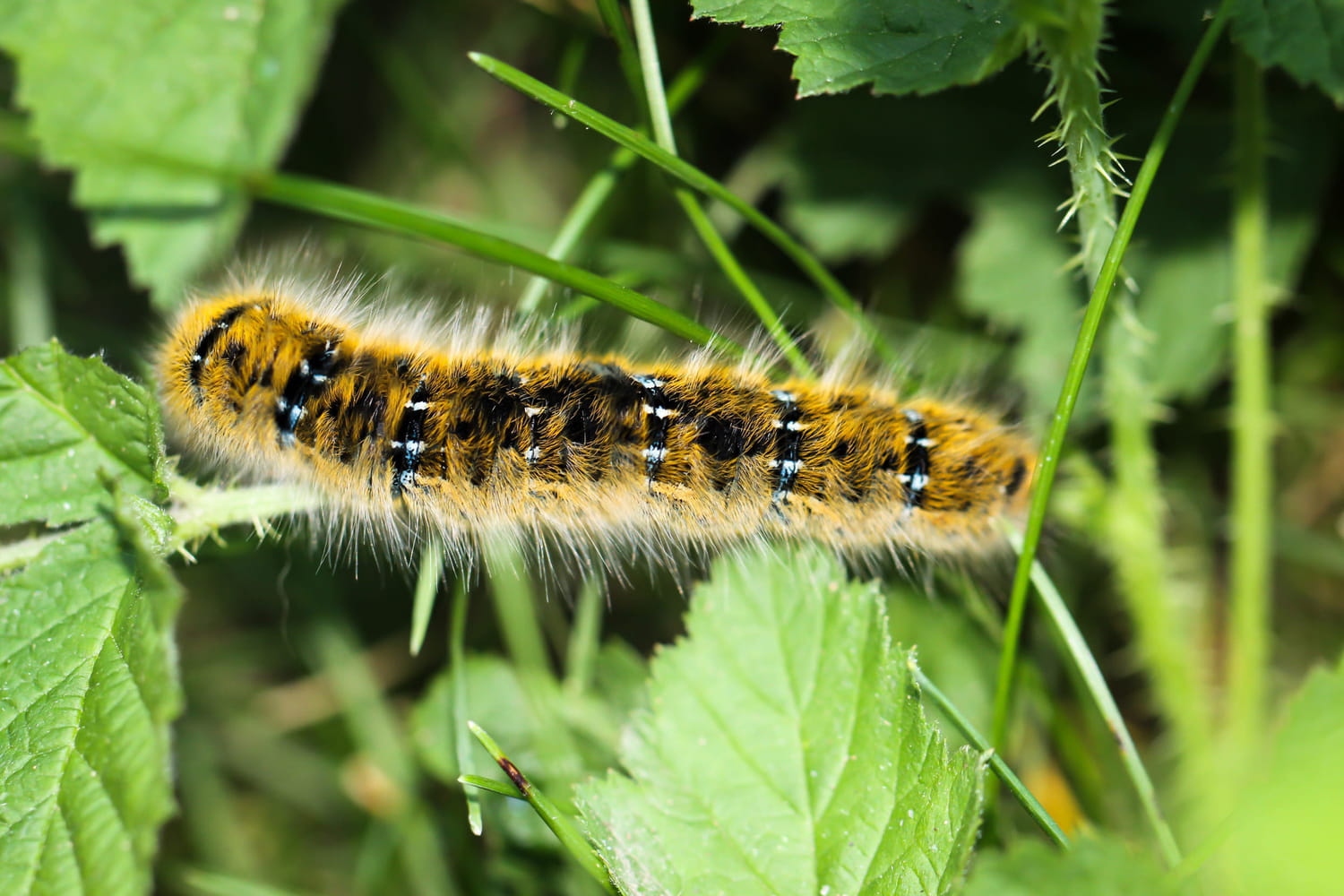


Spring marks the return of forest walks for dogs and their masters, but also marks the reappearance of processionary caterpillars. Veterinarians are alerting.
The arrival of spring marks the return of a discreet but very real danger in parks and forests: processionary caterpillars. These insects, recognizable by their long Indian lines on the ground, particularly proliferate around pines and oaks. The eggs, laid at the end of summer in the trees, hatch in spring, often as early as April. The problem is that these caterpillars are covered with thousands of very stinging hairs which come off easily and can cause violent reactions in both humans and animals. Veterinarians therefore recommend increased vigilance when walking with a dog or cat, because accidental contact leads to numerous veterinary emergency consultations each year.
The 3115 Veterinary Emergencies service, which connects animal owners with on-call veterinarians, explains that it receives “an avalanche of calls”. Dogs and cats are particularly at risk because they explore their environment with their snouts and can sniff, lick or catch these insects. The consequences can be very serious. “Simple contact can cause severe tongue burns, significant swelling and sometimes a life-threatening emergency“, recalls the service.
The stinging hairs release a very irritating toxin that causes rapid inflammation of the mouth and throat. In these situations, veterinarians sometimes have to intervene urgently to limit tongue damage and avoid respiratory complications. In some cases, the tongue may even begin to necrotize. Without rapid veterinary care, the lesions can worsen very quickly. Dogs have already died after coming into contact with these microscopic hairs, making these caterpillars a real scourge every spring for veterinarians and animal emergency services.
If your dog has been in contact with a processionary caterpillar, you must act immediately and adopt the right reflexes. First rule: do not rub the affected area. The stinging hairs could then break and release even more toxin. You must then rinse thoroughly with clean water. The ideal is to keep the animal’s head down while rinsing. This position prevents water contaminated by the stinging hairs from flowing down the throat and being swallowed. After this first action, it is essential to immediately contact a veterinarian or the veterinary emergency service 3115.
In the forest or in urban wooded areas, certain precautions also help to limit the risks: wear covering clothing, avoid trees with nests, keep children and pets away, never touch caterpillars – alive or dead – or their nests. In case of exposure, you should also avoid rubbing your eyes. The NFB also recommends not drying your laundry outside near infested trees when the wind is strong, because the hairs can be carried through the air. When returning from a walk in the forest, taking a lukewarm shower and changing clothes can also limit irritation if in doubt. If an animal presents symptoms (excessive salivation, swollen tongue, pain), rapid veterinary consultation is essential. As a precaution, some owners now keep bottles of water in their bag or in the trunk of their car so that they can immediately rinse their pet in the event of contact.
These caterpillars follow a very specific cycle. After the eggs hatch, the larvae live in groups in silky nests visible on the branches of pine or oak trees. At the end of winter and early spring, they descend from the tree in single file to bury themselves in the ground and continue their development. It is precisely during this descent that the risks of contact are highest. Faced with the dangers they represent, processionary caterpillars have been officially classified as harmful to human health since 2022. The authorities therefore recommend reporting the presence of a nest near your home to your town hall so that measures can be taken. In affected areas, it is also advisable to avoid infested trees, especially pine trees, and to stay away from them as much as possible when walking. A simple but essential vigilance to enjoy nature without taking risks.