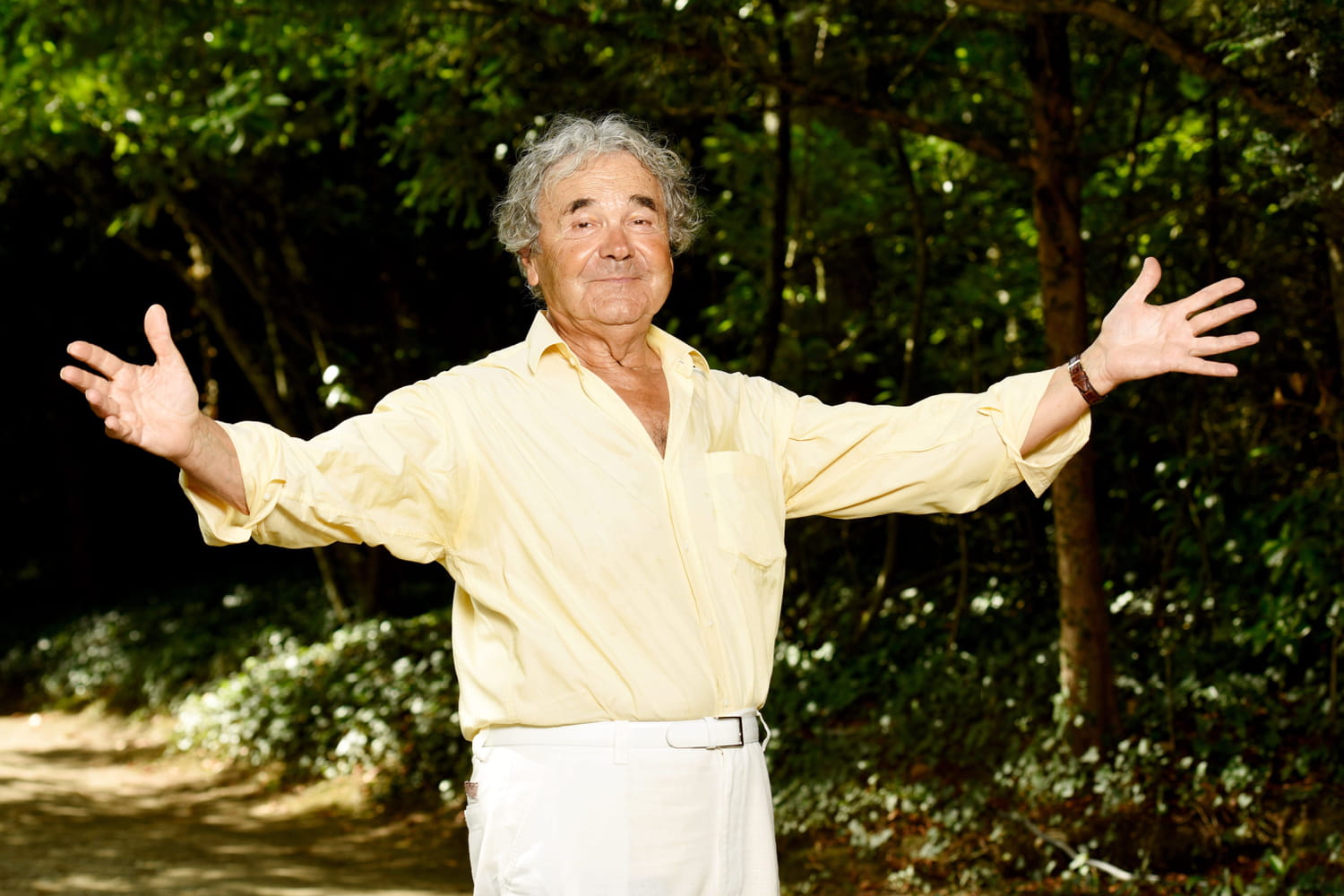





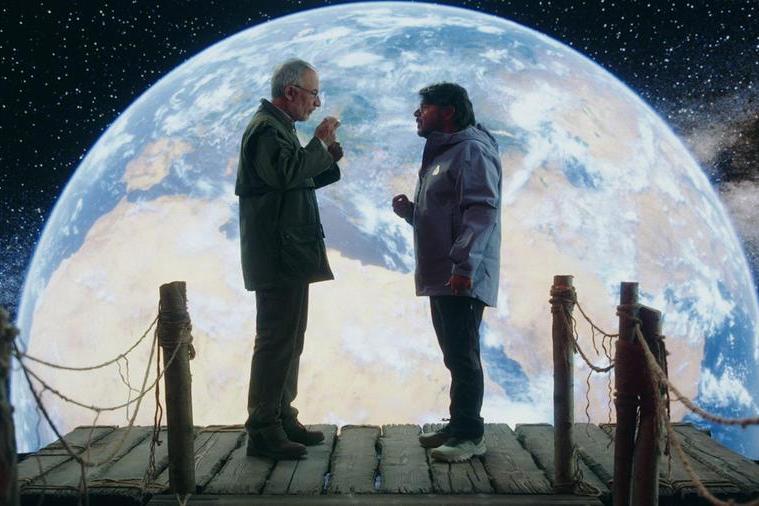
A journey to tell the life of the planet and the often invisible role of plants in the Earth’s balance. It starts this evening on Rai 3 The skin of the worldthe new program of Stefano Mancuso together with the comedian Lillo Petrolo.
Produced by Rai Culturethe transmission develops in six episodes and proposes an educational journey on the biosphere, focusing in particular on the fundamental function of plants in maintaining the balance of life on Earth. Mancuso’s scientific rigor is intertwined with Lillo’s irony to make complex topics accessible to all like theenvironmentthe sustainability and the future of planet.
On the occasion of the launch of the program we are reproducing some passages from an interview conducted with the botanist and popularizer.
Here’s what he told us:
«I do my job as a popularizer, so I talk about botany, with real information but in a light-hearted way. Using dramatic tones on environmental issues alienates the public. As often happens with news on the news, the anguish they generate is so great that the public changes the channel and doesn’t want to hear it. And the media have accepted this attitude, so much so that there is almost a sort of veto on these issues. I think it is a huge mistake that can be remedied by dealing with environmental issues and avoiding apocalyptic tones. Without denying its seriousness, but leveraging the changes that everyone can implement, showing them not as a mortification of our lifestyle but as a possibility of being happier.”
And you don’t have a catastrophic vision of the future of the planet…
«Exactly, I believe that the apocalyptic approach not only doesn’t work but it’s not even true; it is a very serious problem like many enormous problems of humanity, but solvable. When I hear deniers say that global warming is not man’s fault (a fact on which the world scientific community is unanimous), I reply that “fortunately it is our fault”, because at least we can fix it, whereas if it were a natural phenomenon we couldn’t do anything about it”.
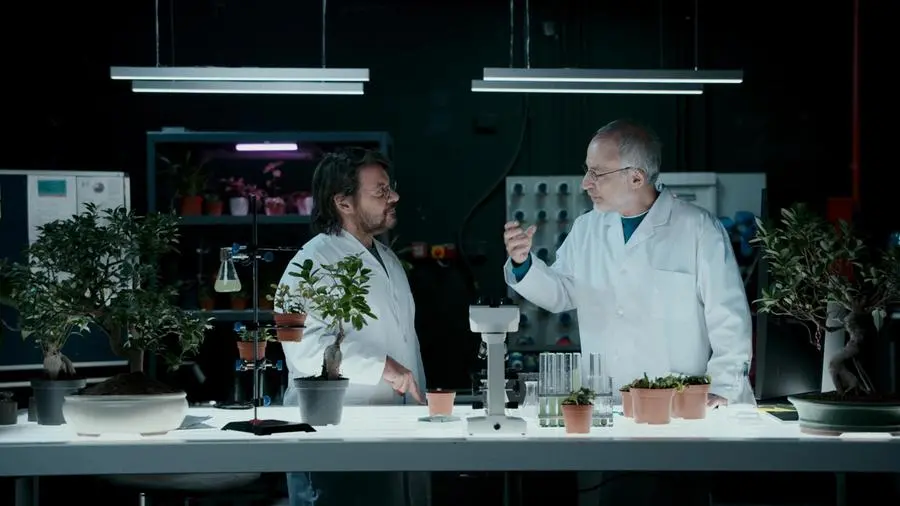
But how are the trees?
«On Earth before the beginning of human civilization, that is, 12,000 years ago, there were 6,000 billion trees. Today there are 3,000 billion left, but we have cut 2,000 billion in the last two centuries and this is the difficult news to digest. The good news is that although even today the balance between the trees we plant and the trees we cut continues to be negative, the deforestation peaks of our past have been greatly exceeded and we almost no longer cut. And there are places on the planet, such as Europe for example, where the number of trees and forests continue to increase year after year, thanks to the EU’s very serious environmental conservation and sustainability policies. We are the only place on the planet that is decreasing the quantities of carbon dioxide it produces every year and therefore a model for all other countries that can follow us.”
And do you have a heart tree?
«Not one but three: Ginkgo Biloba, which is the oldest tree, a living fossil, is 100 million years old, beautiful with its yellow leaves, it tells of the strength of life. Then two trees which for me are the very essence of our civilization: the olive tree and the orange tree.”