


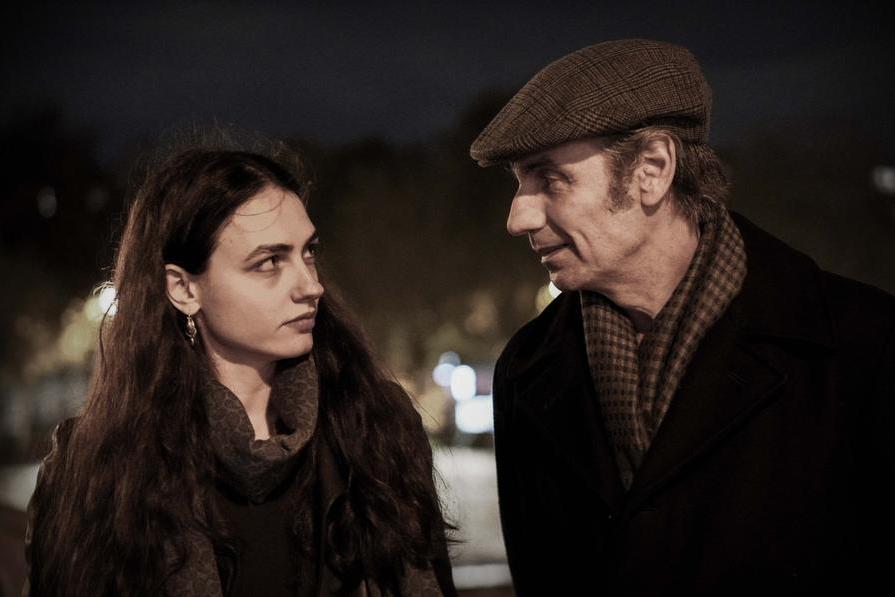
“As long as it takes” it is the title and emblematic response of a father to a question from his daughter. The father is Luigi Comencini and within these words there is everything: patience, waiting, the love that doesn’t always manage to find the right words but remains faithful, even when life gets complicated. It is the title of a film that speaks to everyone, because every deep relationship – especially between parents and children – needs time to grow, to hurt and also to heal.
The director is Francesca Comencini, and the film, which is broadcast tonight on Rai 3is an autobiographical story. At the center are her, as a young woman, and her father, the great director. The rest of the family is not there, and it is a deliberate choice: everything is concentrated on this relationship, on a strong but not always easy bond.
The story moves between memories and crucial moments. We see a daughter growing up in a difficult historical period, between personal anxieties and the climate of the years in which many young people were looking for the wrong answers to profound questions. Drug addiction enters his life as a silent wound, difficult to deal with. And here the figure of the father emerges: not just a famous cinema man, but a parent who, faced with his daughter’s fragility, chooses to really be there.
One of the most intense passages – told with great delicacy – it’s the trip to Paris, when her father decides to take her away to help her detox. It is not a sensational gesture, but a concrete act of love, made of presence, of attempts, even of fear. This is precisely what is striking: seeing such an important, well-known and esteemed man simply become a father trying to save his daughter. Without rhetoric, without heroism, but with a silent tenacity that moves.
The same one Comencini had declared: “I made this film to understand and give something back to my father.” You can sense in every scene this desire for reconciliation, for a new look at what has been.
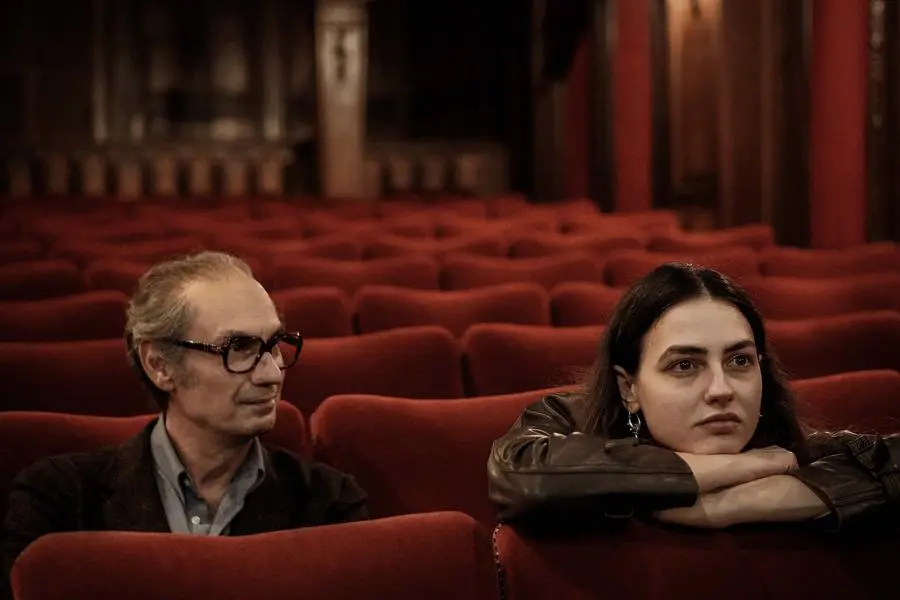
Among the brightest moments are the set ones on the set of The Adventures of Pinocchio. They are full of poetry, which show the director’s work and, at the same time, the daughter’s enchanted gaze. There you can clearly understand the greatness of Luigi Comencini: one of the masters of Italian cinema, director of masterpieces such as Misunderstood (1966) The Adventures of Pinocchio (1972) e Heart (1984) which have marked entire generations. Comencini had a special gift with children, which Francesca’s film tells very well: he managed to make them act naturally, without forcing them, capturing their simplest and deepest truth.
The four daughters of Luigi Comencini, in different ways, they have all followed a path linked to creativity and cinema. Francesca has brought a personal gaze to her cinema, often attentive to social issues and fragilities, as in the film Mobbing – I like working from 2004 or as in the documentary Carlo Giuliani – Ragazzo from 2002.
Cristina Comencini is perhaps the best known to the general public: writer and director, she was able to describe feelings and family relationships with sensitivity, as in The Beast in the Heart, also nominated for an Oscar. The theme of family, complex bonds and unspoken emotions often returns in his works. Paola instead she chose the work behind the scenes as a set and costume designer Eleanor that of production inspector.
A final curiosity: Carlo Calendatoday a protagonist of Italian political life and minister of economic development in the Renzi and Gentiloni governments, is the nephew of Luigi Comencini, Cristina’s son. In the TV series Cuore he played the part of Enrico Bottinithe protagonist.