





On the real estate market, some homes have a hard time finding a buyer even though they have enormous financial potential! Which ones are they and why are they shunned?
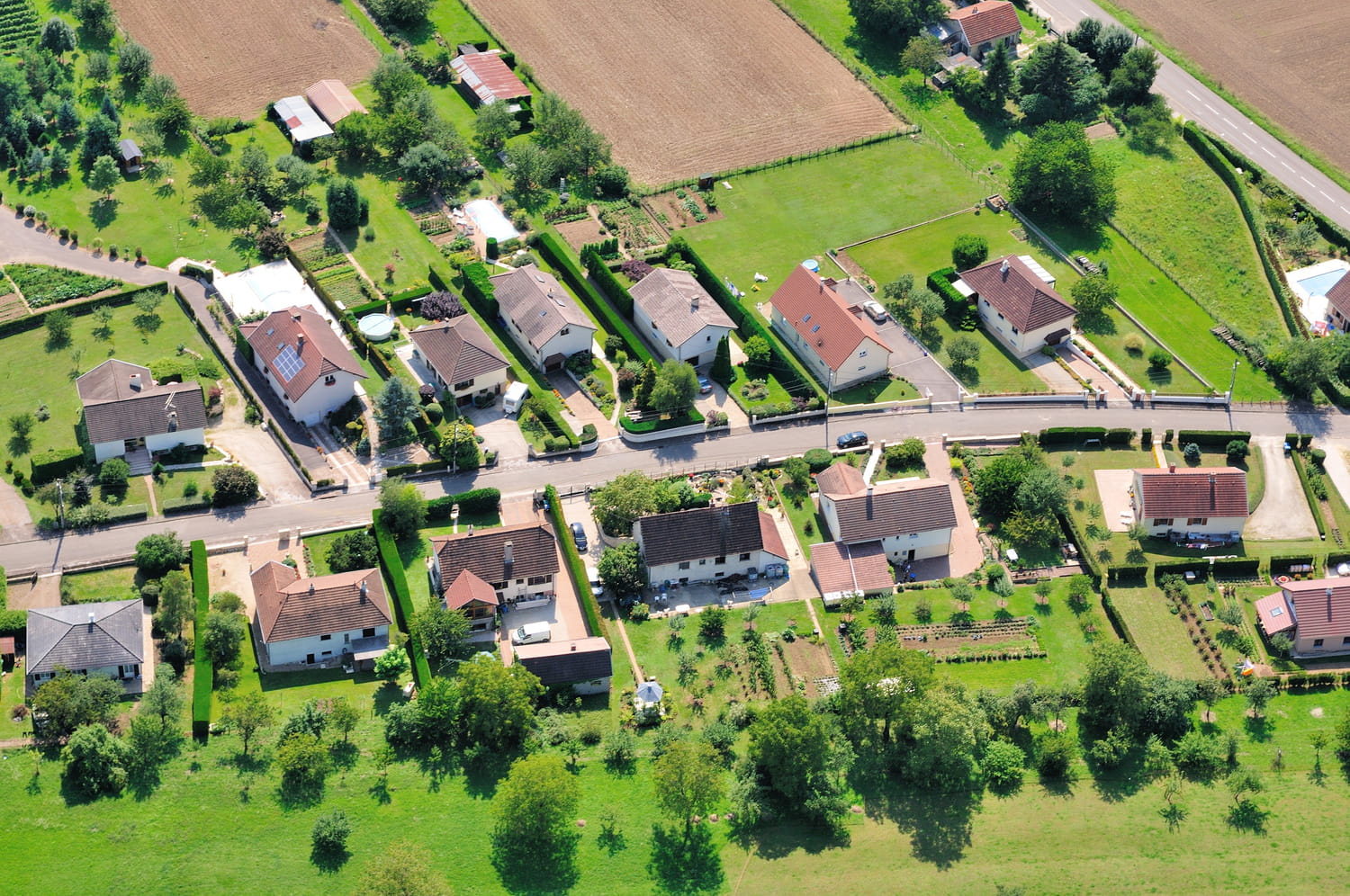
The current real estate market displays prices so high that some properties stagnate for months on display. However, from an outside point of view, nothing seems to justify this lack of interest: these accommodations have beautiful facades, sought-after locations and often a spacious garden. This paradox is intriguing, because despite undeniable aesthetic assets, these houses do not trigger any visits, remaining desperately empty.
Faced with this blockage, some owners end up giving in to impatience and lower sales prices, without however succeeding in reassuring buyers. If the majority of buyers pass by this invisible obstacle, a few savvy investors see it as a rare opportunity. They choose to override the reason that holds back so many others to acquire what many now consider to be the bugbears of the market.
These houses shunned by buyers are called thermal sieves, in other words, poorly insulated housing with a DPE between F and G. Although this diagnosis may be frightening, these buildings are nevertheless at the heart of a market downturn. Their discount can reach 25% depending on the region, and renovation aid has never been so attractive in France, transforming these energy wrecks into extremely profitable projects for those who know how to orchestrate the work.
By insulating the walls and modernizing the heating, it is possible to increase the property in several energy classes. The combination of schemes such as MaPrimeRénov’, CEE or Éco-PTZ drastically reduces the cost of the site. The key: energy consumption reduced by 30 to 60% depending on the performance achieved, guaranteeing daily thermal comfort and immediate long-term asset enhancement.
Beyond saving on bills, the issue is patrimonial: a successful renovation offers an added value of 25 to 30% upon resale. It is also essential security for rental investment, while housing classified G is already prohibited for rental (F will follow in 2028). What the crowd perceives as a constraint is in reality one of the best opportunities at the moment to make a thermal sieve into an exceptional home and a great real estate transaction in the process.