

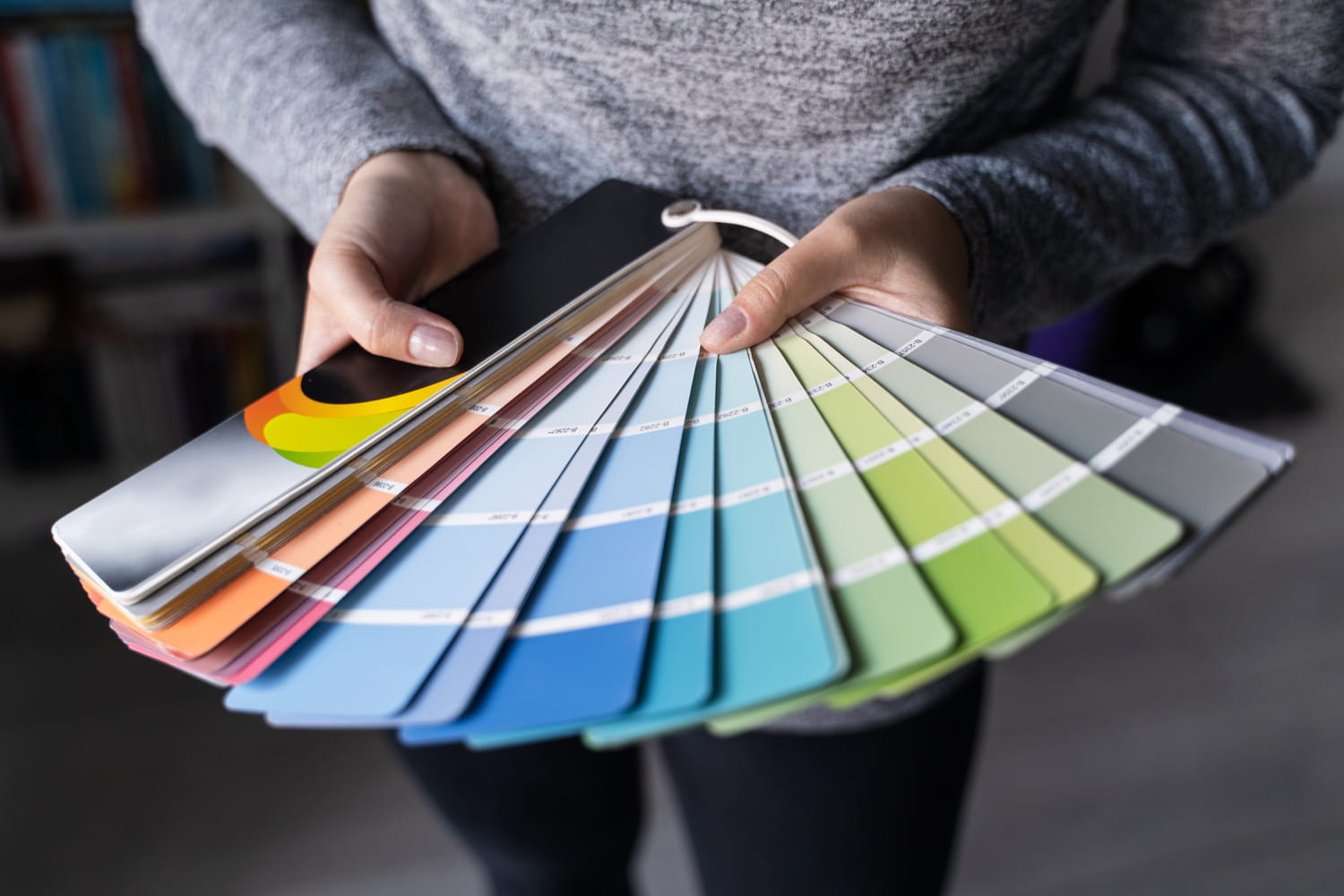



For nearly a decade, it was omnipresent, popular with real estate developers and young homeowners. Today no one dares to apply it at home and here’s why.
This color became obvious in the mid-2010s, as it contrasted with the yellowish tones and varnished woodwork that had marked the apartments and houses of previous generations. Now, the trend has been reversed: once a guarantee of modernity, it is the one that everyone wants to erase.
For this generation hungry for something new, it had everything to please: sobriety, minimalist chic, Scandinavian influence. It embodied a more urban, more refined way of life, and fit perfectly with the fashion for lofts and open spaces. In a short time, this color has established itself as a standard: no risk of making a mistake, no risk of displeasing. It had become the universal compromise. According to interior designer Alice Moszczynski, “its popularity was actually a reaction to what had preceded it: decades of Tuscan-inspired yellows and bold beiges that dominated baby boomer homes”.
But it is precisely this universality that ended up making it unbearable. By wanting to please everyone, she has saturated the decorative landscape. Walls, floors, cabinets, furniture: interiors have been transformed into uniform and impersonal spaces. Desires have changed. Designers are now seeing a demand for warmer interiors, with colors that better express the personality of their inhabitants.
Generation Z, in particular, today favors richer shades, sage or olive greens, browns and deep reds. The idea is to play with nuances, balance contrasts and create more lively interiors. In short, in 2025, the color that we can no longer see in paint is none other than millennial gray.
Designers like Megan Pflug recommend creamy whites or linen-like shades instead. For the diehards, the solution involves compromise: greige, a subtle mix of gray and beige, allows you to keep a sober base without falling back into excessive coldness.
Others advise keeping this color only in touches, associated with warm finishes, wood, marble with visible veins or natural textiles. But overall, the trend is clear: massive enthusiasm has turned into rejection.