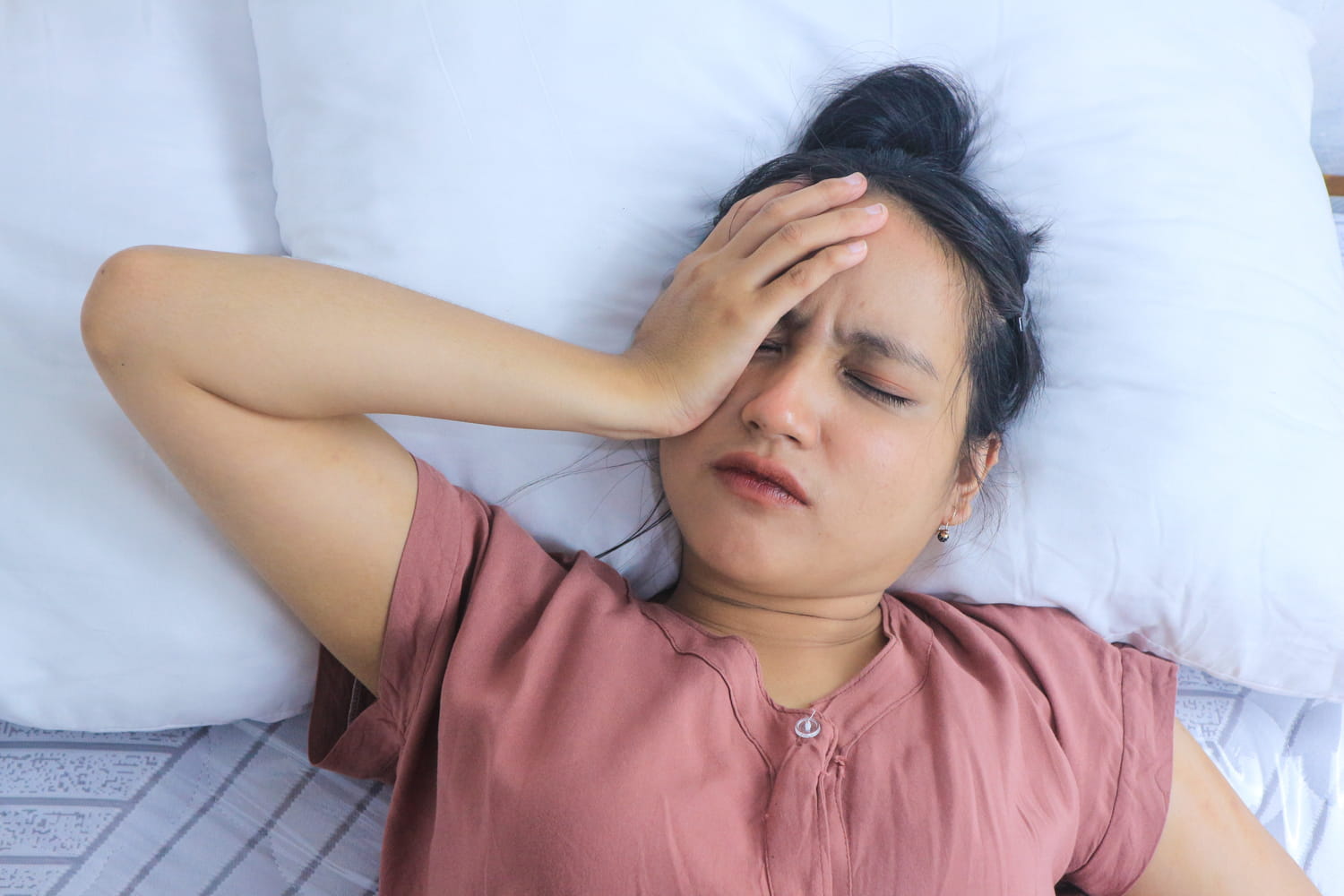
“It’s a simple question that could reveal a lot of things,” share scientists behind a study presented at the SLEEP 2026 conference.
Having difficulty falling asleep, even when going to bed at the right time, or waking up in the middle of the night happens to all of us. But, from a certain point, poor sleep has harmful repercussions on the body and daily life. We get annoyed more easily, we lose patience, we complain more, we forget more things… It is important to realize when sleep is so bad that it weakens us. To do this, sleep specialists usually ask their patients a very simple question.
“It’s a simple, low-pressure question that could reveal a lot.”Joseph M. Dzierzewski testified to Medscape Medical News. This researcher presented his study in June at the SLEEP 2026 conference. He submitted 3,177 adults, with an average age of 43, to clinical questionnaires measuring the severity of insomnia, overall quality and regularity of sleep. Then the scientists asked them the famous question: “How old do you think you are?” They then calculated an age gap score by comparing the subjective age to the actual age of the volunteers.
“Our results suggest that subjective age is a significant indicator of sleep quality” explained Joseph M. Dzierzewski. Indeed, when a patient feels significantly older than their actual age, they sleep less well and suffer from non-restorative sleep: they report more insomnia, less regular sleep and a greater impairment of their abilities during the day. “Feeling older may indicate health problems or stress that need special attention” believes the researcher. For him “the relationship is certainly two-way. The feeling of getting older and the lack of sleep feed off each other: each can make the other worse”.
For researcher Fumiko Hamada, interviewed by Medscape, the way we sleep depends a lot on the image we have of ourselves. “Aging itself is not necessarily a negative thing, but feeling older than your chronological age may reflect a less positive self-perception” she explains. And “more negative self-perception is associated with greater insomnia symptoms”. Conversely, “mature people who feel younger and maintain a positive attitude may sleep better and function better in daily life”. You must therefore take care of your psychological well-being to feel better in your body and sleep better. Science says so.