






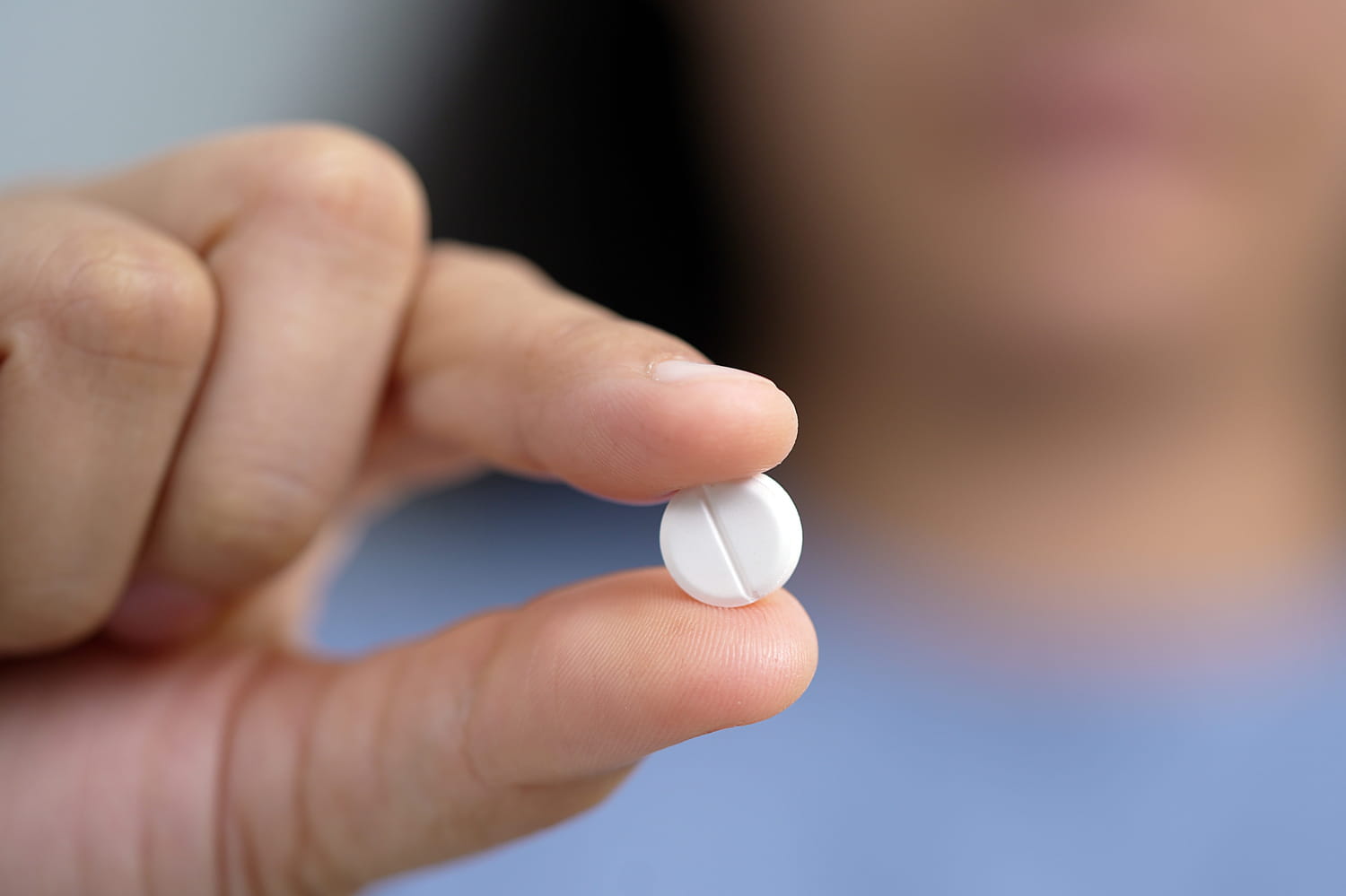
Every day, millions of French people take this treatment, sometimes for years. However, the merits of these long-term prescriptions have just been questioned by a new scientific analysis published on June 6. What if its long-term effectiveness had been overestimated? What medicine is this?
A team of Australian researchers scrutinized so-called “relapse prevention” clinical trials. To evaluate the effectiveness of the drug, these protocols interrupted the treatment abruptly, “on average over 4 days”. The immediate worsening of mood in withdrawal patients was then counted as a relapse. However, according to the authors, these studies did not clearly distinguish the return of the disease from the simple effects of withdrawal, as they explain in the Australian Journal of General Practice. In other words, part of the benefits observed over time could be explained by the fact that the treatment prevents the patient from suffering from withdrawal: they “would reside in the suppression of withdrawal symptoms”.
That’s not all. After one year of use, the analysis highlights that the risks of adverse effects increase significantly. The data report the possible appearance of “cognitive disorders” impairing memory and emotional numbness described as “narrowing of the emotional spectrum”likely to reduce the ability to feel pleasure. Added to this are weight gain, insomnia and sexual dysfunction affecting, according to the authors, “50 to 80% of users”. And among those over 65, a risk would accumulate “strokes, falls, cataracts (and) heart disease”. This medication, or rather this family of medications, is antidepressants.
According to Public Health France, one in five French people will experience a depressive episode during their lifetime. Mental health has also become a financial item in its own right, the total cost of which for an individual can reach 12,600 euros per year. And each year, nearly 7 million French people take antidepressants, including Prozac® or Seroplex®. Many of them aim to increase the concentration of this neurotransmitter between neurons, on the hypothesis of a “chemical imbalance” at the origin of depression. However, this hypothesis remains debated: the authors point out that “no biological mechanism of depression has been established” with certainty. By lastingly modifying the functioning of the nervous system, these molecules can also lead to physical addiction. When stopping too quickly, the brain, suddenly deprived of the substance, can trigger anxiety and withdrawal symptoms. And that’s the whole difficulty: these demonstrations “feature high on depression scales”which can lead to them being misinterpreted as a relapse.
What should we remember? Above all, you should never stop an antidepressant alone: stopping suddenly can be dangerous and cause precisely the symptoms described above. Any decision must be made with the prescribing doctor. In this logic, the authors recommend regular re-evaluation of the treatment, “usually every 6 months”and, where applicable, a “more gradual decrease” doses, spread over several months, to protect the nervous system. In the context of resistant depression, solutions exist, such as the arrival of new molecules. Finally, they point out that for mild to moderate depression, non-drug approaches such as psychotherapies or lifestyle modifications can prove effective. You should never hesitate to talk to a doctor in order to benefit from suitable solutions.