






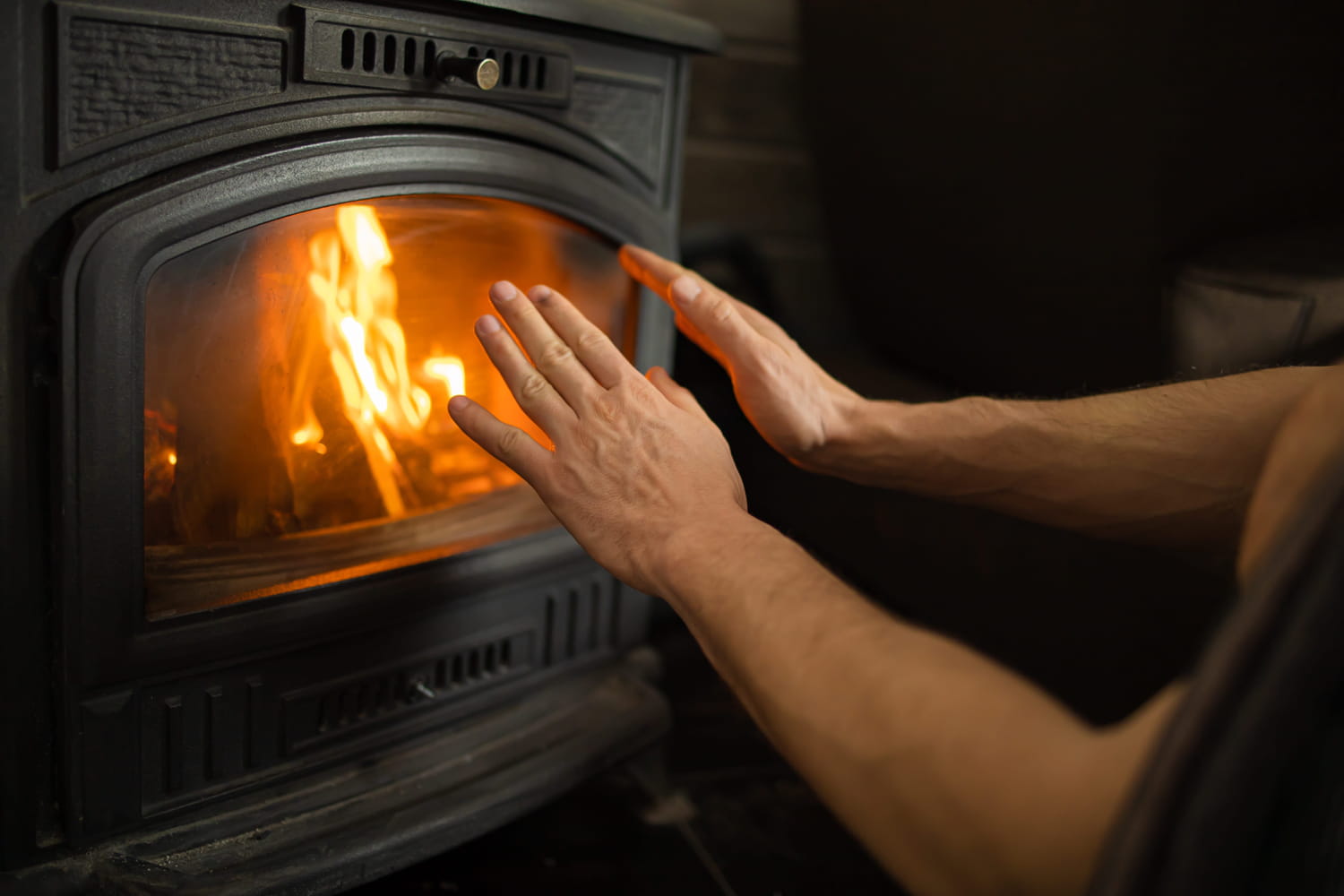
If you want to optimize the efficiency of your wood stove and extend its lifespan, follow this professional advice for this winter.
What’s better than enjoying a good wood fire when the temperatures are dropping? For this, the wood stove is a extremely efficient and easy-to-use element. You just need to put some logs in there and close the door for the magic to work quickly. But sometimes, the feeling of heat in the house is not there, despite regular supply of power to the stove which suddenly begins to consume more. This sign is a warning that your stove is tiring due to an invisible, but recurring problem, which affects many households.
If you notice that your wood stove is heating less than usual, that it is consuming too much wood or that the glass is blackening, this is not necessarily due to wear and tear on your appliance, but rather to a detail that many of us overlook. According to chimney sweeping professionals, these problems are mainly due to a poor choice of wood, which tends to burn poorly, smoke, clog and cool the fireplace.
Indeed, when you burn damp wood, a significant part of the energy generated during combustion is wasted and instead of heating your home, it is used to evaporate the water contained in the wood. As a result, efficiency is reduced, because heat is diffused less throughout the house, wood consumption is high and the high humidity level generates an energy loss of up to 50%. And what’s more, the accumulation of carbon residues (soot and creosote) caused by the combustion of damp wood can gradually obstruct your stove’s ducts and increase the risk of chimney fires.
To maximize the efficiency of the stove, you should choose dry wood containing a humidity level of less than 20%, i.e. wood that has been stored in the open air for at least 18 to 24 months. Dry wood is optimal for wood stoves, because it burns quickly, heats strongly, does not blacken the glass and does not clog the ducts. And for even more efficiency, it is recommended that the logs be cut and split to speed up the drying process.
When you select your wood, avoid heavy, shiny or hissing logs, signs that they are waterlogged. When starting your stove, light a strong fire when starting, letting air in and avoiding smothering the flame. Finally, keep the fireplace clean by cleaning it regularly and regularly check the condition of your stove’s seals. By using dry wood and adopting these simple actions, you will considerably increase the lifespan of your wood stove while enjoying pleasant, diffuse warmth in your home this winter.