




The official design of the new banknotes will be revealed by the end of the year. Two proposals are still under study, very different from the appearance of the current cuts.
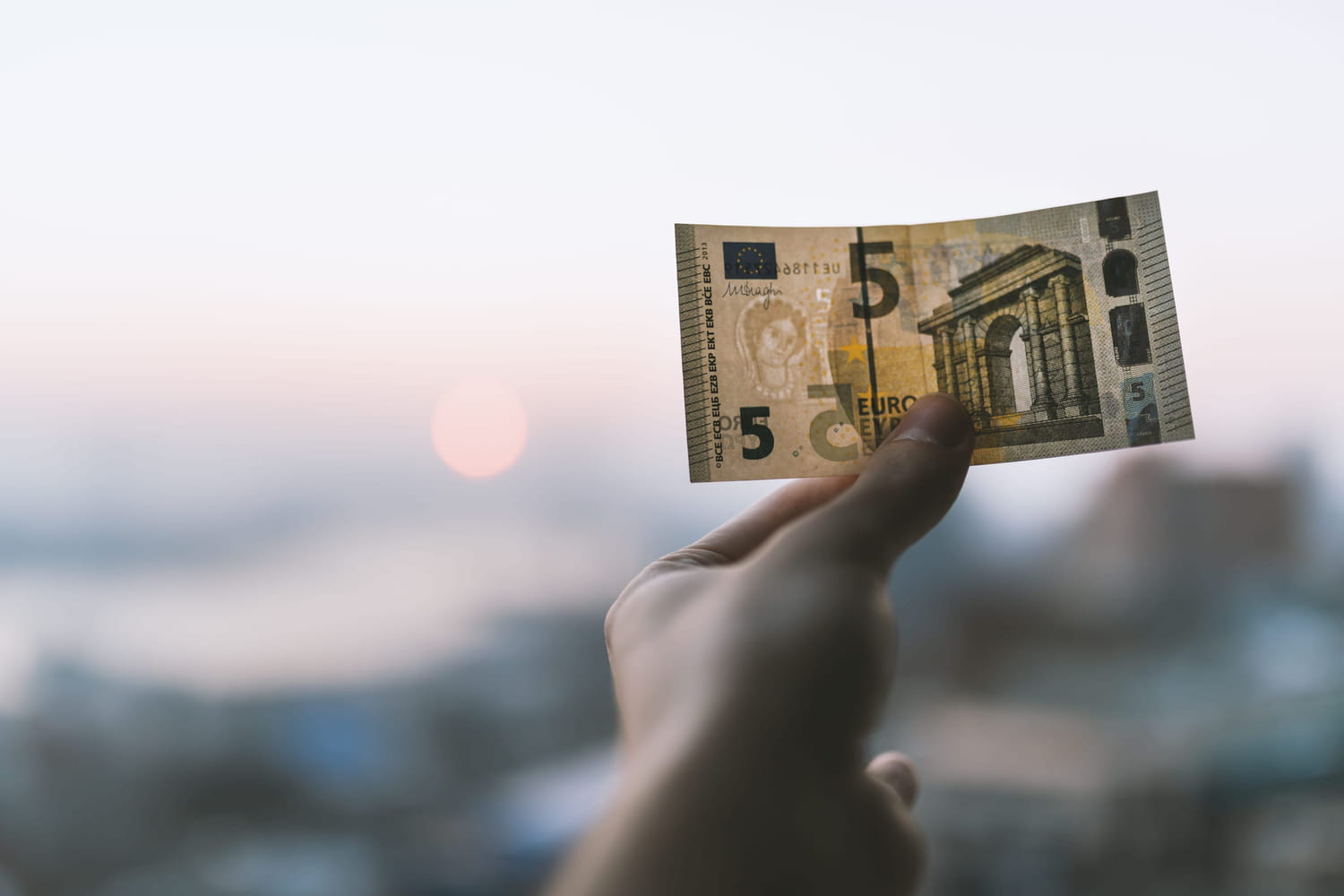
This is a revolution that is coming to our wallets, and which could disturb more than one person. It must be said that our banknotes have already had the same design for 13 years, which was not that different from the first model launched in 2002. The series of banknotes we are currently using is inspired by the theme “Epoches and architectural styles”: you probably haven’t noticed it for a long time, but these denominations represent stained glass windows or other colonnades on the front, and bridges (which don’t even really exist in Europe) on the back. While the European Central Bank (ECB) is working to renew the style of our currency every 10 to 15 years, to improve them and above all make counterfeiting more difficult, this time it is keen to return the banknotes “more attractive, more evocative and more inclusive for all Europeans”.
Following a survey carried out in all member countries, two themes were selected: “European culture” as well as “Rivers and birds”. A graphics competition has been launched, and will end during the summer of 2026. Concretely, if we do not yet know the official design of the future banknotes, we already know which designs are in the running. Enough to imagine what the six new generation cuts could look like.
On its site, the ECB has revealed all the details retained, on which graphic designers must rely. In the theme “European culture”, we find on the front notable personalities: the Greek singer Maria Callas on the 5 euro note, the German composer Ludwig van Beethoven on the 10 euro note, the Franco-Polish physicist and chemist Marie Curie on the 20 euro note, the Spanish novelist Miguel de Cervantes Saavedra on the 50 euro note, the Italian painter and inventor Leonard de Vinci on the 20 euro note. 100 euros, and finally the Austrian writer and activist Bertha von Suttner, first woman winner of the Nobel Peace Prize, on the 200 euro note. On the back, we will find scenes of life with street artists performing in front of passers-by, a choir singing at a music festival, a teacher and young students in a school, people reading in a library, people contemplating works of art, and people walking in a public garden.
For the theme “rivers and birds”, the front represents a mountain spring with a tichodrome on the 5 euro note, a waterfall with a kingfisher on the 10 euro note, the valley of a steep river with a colony of European bee-eaters on the 20 euro note, the meanders of a river with a white stork on the 50 euro note, a mouth with a avocet on the 100 euro note, and finally a seascape with a gannet on the 200 euro note. As for the back, this time they are the major EU institutions that were chosen, namely the Parliament, the Commission, the Central Bank, the Court of Justice, the Council, and the Court of Auditors.
It is the Governing Council of the ECB, chaired by Christine Lagarde, which will make the final decision by the end of 2026, “following a public inquiry.. For the moment, the date of circulation of the new banknotes has not yet been set. We will probably have to wait “several more years” before being able to use them on a daily basis.