





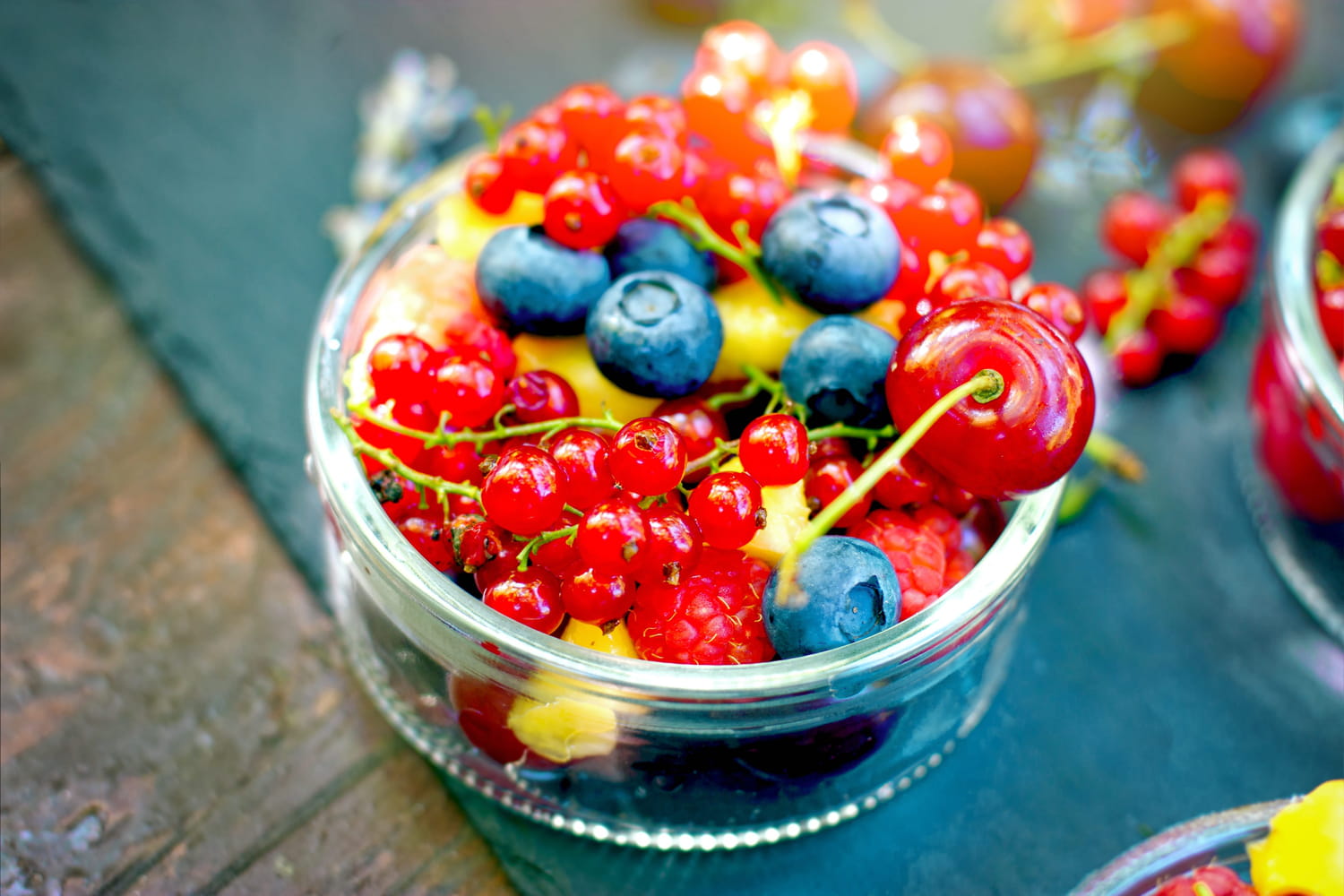
According to Carole Minker, doctor of pharmacy, “it is at the top of the list of vascular protective red fruits”.
For years, the goji berry has been the undisputed queen of organic products. Coming from the Himalayas, dried and sold at a high price, it promised youth and vitality. But nutrition has evolved: no need to go looking for a “superfood” on the other side of the planet, while our French orchards hide nutritional treasures that are much more effective for our health.
Behind its dark color, a small red fruit from our region overwhelms the goji berry in every way. According to Carole Minker, doctor of pharmacy and author of the book “Blueberries and other red fruits” (ed. Eyrolles), “it is at the top of the list of vascular protective red fruits” because it has an anthocyanin content (powerful antioxidants) up to 10 times higher. For the cardiovascular system (but also for the brain and cognitive decline), it is the ideal ally: it improves the elasticity of the vessels, helps regulate blood pressure and reduces “bad” cholesterol.
This antioxidant champion is the blackcurrant, the first cousin of the redcurrant. To benefit from its virtues, a simple handful per day (around 50 grams) is enough. To choose the right fruits, Carole Minker indicates that they “must be intensely colored, fleshy, firm, smooth and shiny. The blackcurrant must still be presented in bunches, attached to their stem“.
While dried goji is very sweet, blackcurrant is low in sugar, calories (only 3 g of sugar and 30 calories per handful) and rich in fiber which is excellent for the microbiota. Its concentration of vitamin C – 4 times higher than in goji – also protects heart cells from aging. A British study published in the American Journal of Clinical Nutrition confirmed that daily consumption of blackcurrant significantly improves blood flow and reduces arterial stiffness in 4 to 8 weeks.
Unfortunately, the fresh blackcurrant season is very short, from mid-June to the end of July. Fortunately, it can be found all year round in the frozen section. The berries are frozen there immediately after harvest, which locks in the vitamin C and antioxidants without any nutritional loss. In a porridge, mixed into a smoothie or mixed with yogurt or cottage cheese, frozen blackcurrant is the most economical and local alternative to protect your heart. “It can also be used to marinate fish (herring for example): this inhibits the oxidation of lipids (…), increases the nutritional quality of herring fillets and simultaneously enriches them with natural antioxidants.“, concludes Carole Minker.