






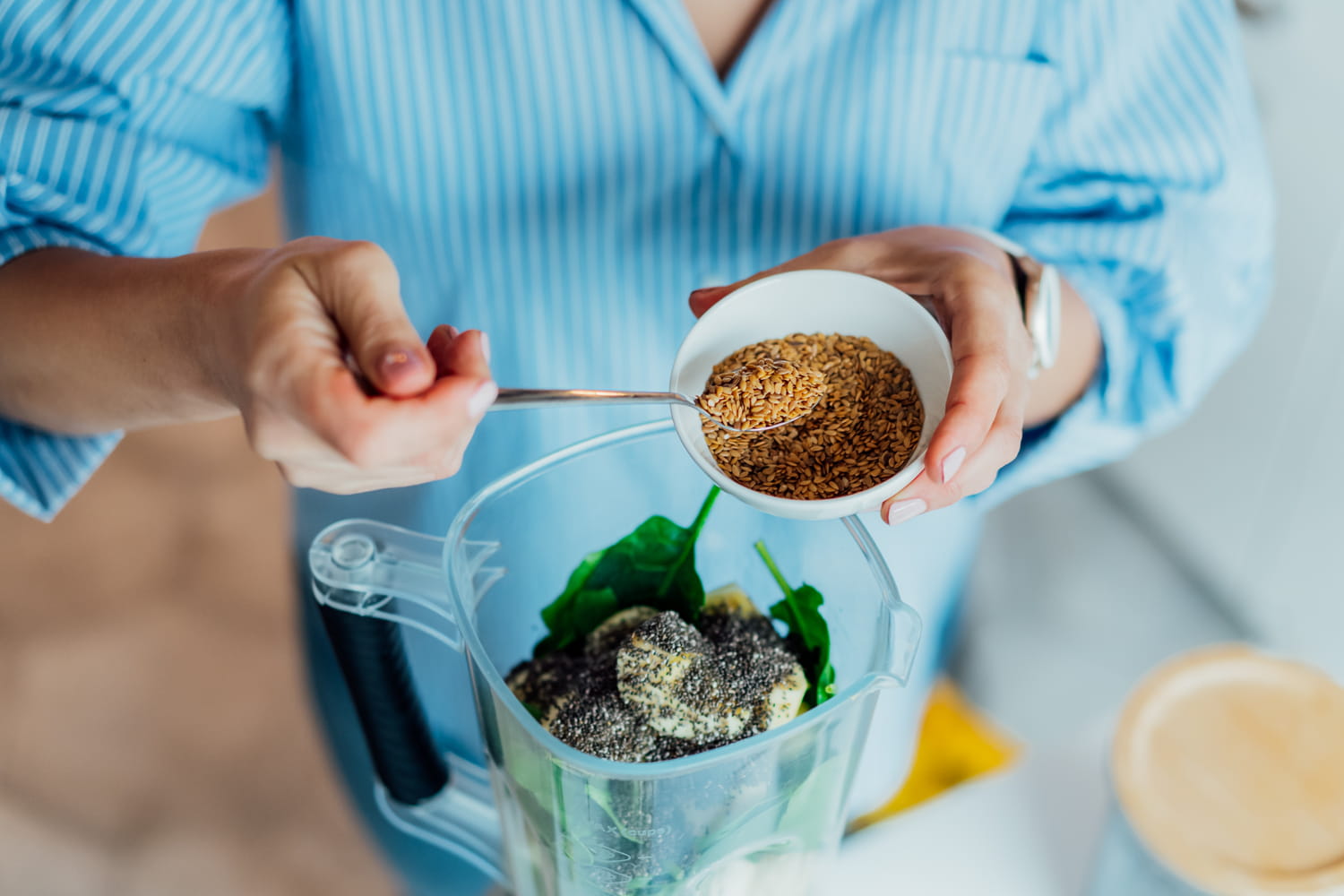
A food that acts on both the construction and preservation of bones. A great reason to add it to the table.
After age 50, bones gradually lose their density and become fragile, which increases the risk of fractures. Women are particularly exposed: the drop in estrogen at menopause suddenly accelerates bone loss. Diet then plays a key role. Certain nutrients can slow bone loss and strengthen skeletal strength over the long term. Dairy products, green vegetables, fatty fish and legumes are often recommended for bone health, but a small seed also stands out for its nutritional benefits.
Researchers were interested in the compounds of this seed in order to understand the precise mechanisms by which it could protect bones. Everything actually comes from antioxidants particularly present in this seed, called “lignans”. Its main lignan, sesamin, “inhibits osteoclast differentiation and function”, explain the authors in the journal Nutrients. Osteoclasts are the cells responsible for bone destruction. At the same time, lignans support the activity of osteoblasts, the cells responsible for making new bone. The seed therefore acts on both sides: it promotes the construction of bone and slows down its degradation. In another study, researchers confirmed “a promising therapeutic potential for the prevention of postmenopausal osteoporosis”.
It’s a famous seed: sesame. Sesame is a small, flat, oval seed with a delicate, slightly nutty taste that intensifies when roasted. There are several varieties: white, gold, black. Black sesame is known to be richest in lignans and other antioxidants. It is also a veritable mine of essential minerals. According to Ciqual, it contains 962 mg of calcium per 100 g when milk contains around 120 mg of calcium per 100 ml. We can thus say that, from a nutritional point of view,Sesame provides approximately 8 times more calcium than milk per weight.
It is also rich in phosphorus, magnesium and zinc, minerals that help build and maintain bones. Calcium and phosphorus form the bone matrix. Magnesium promotes calcium fixation. Sesame seeds are easily incorporated into the daily diet. To stock up on calcium as much as drinking milk, you must consume it regularly. Remember thatA common serving of seeds is one tablespoon, or 10 to 15 g. This provides approximately 85 to 150 mg of calcium, the equivalent of a small glass of milk.
Sprinkle it on your dishes as often as possible. To take full advantage of their richness in calcium, choose whole seeds (unshelled): shelling removes the shell, where most of the calcium is concentrated. Also consider lightly toasting them in a hot pan to release their aromas and improve digestibility. You can, in addition, consume sesame in the form of puree (tahini), or as oil to include in your salad dressing.