





In the context of an animal documentary, certain behaviors are prohibited. But these BBC journalists decided otherwise.
Natural dramas generally take place without witnesses. But sometimes, a camera is there to reveal the secrets of wild animals, on Earth or across the depths of the ocean… Wildlife reporters, these patient and discreet observers, capture wild life as it is: unpredictable, magnificent and sometimes cruel. Their mission is not to act, but to document to transmit the life of all species. But faced with the worst situations and the suffering of animals, they must remain neutral and let nature take its course. That’s the rule.
It is also at the heart of every animal shoot. This is what we call the rule of “non-intervention” which quite simply consists of not interfering so as not to disturb the environment. Do not change the course of things. The idea is simple: what the camera shows must be authentic. The viewer must never doubt that what he sees is true, raw, natural. But this rule does not only exist to preserve realism: it also protects animals from human contact which could put them in danger in the long term.
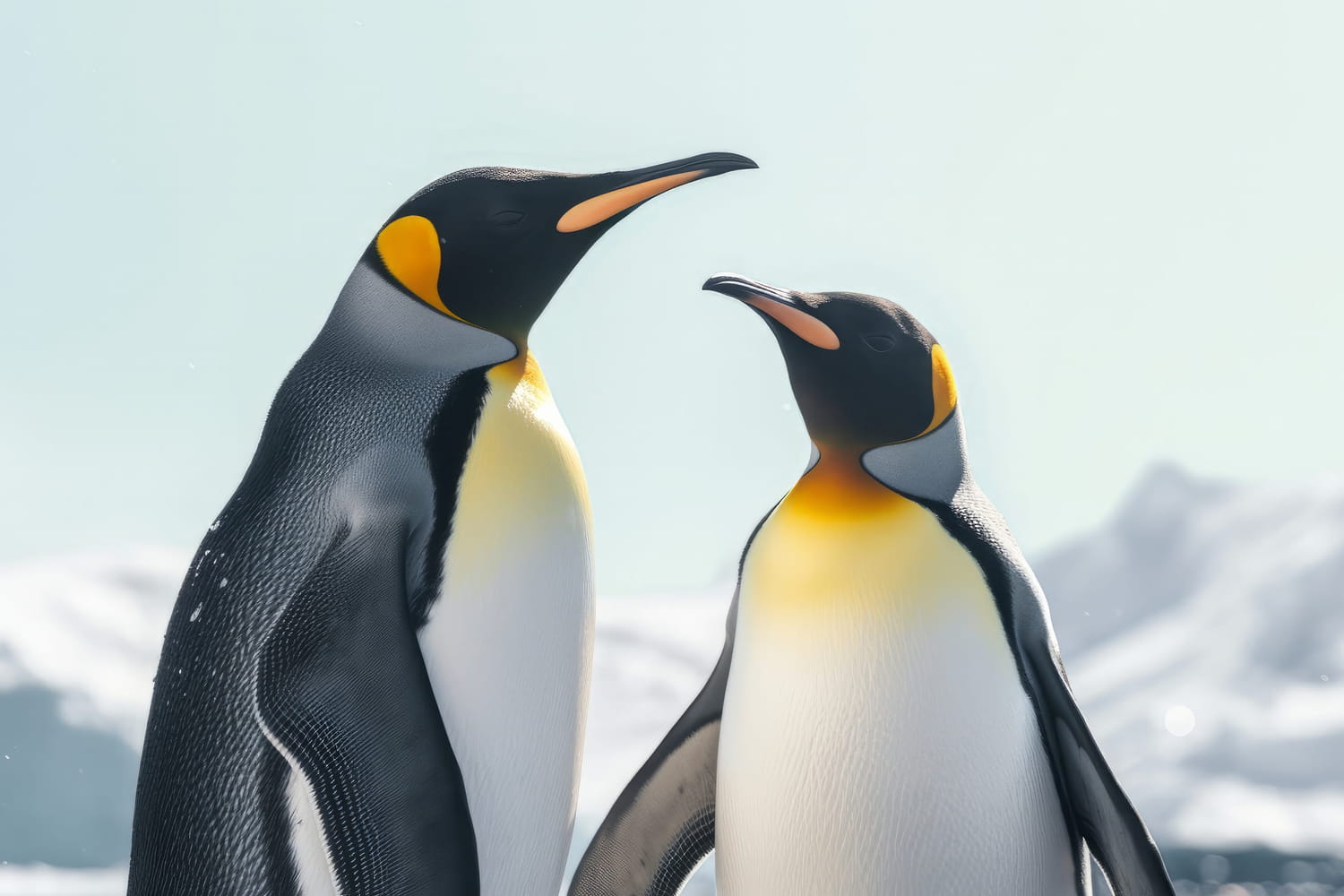
But in 2018, a BBC team was confronted with a scene that was impossible to ignore. In Antarctica, on the set of the documentary series Dynasties, journalists film a colony of emperor penguins. A group of young individuals find themselves trapped at the bottom of an ice ravine, unable to escape. Their survival is clearly threatened. The team hesitates. Observe and film? Or step in, break the rule, and give them a chance at life? Finally, the reporters decide to act. Carefully, without handling the penguins, they clear a small passage in the snow, and form small steps to create a staircase, which the penguins take… They are saved.
The story could have created an uproar. However, the opposite is happening. The team receives wide support, from the public and professionals alike. Their gesture raised a profound question: in certain situations, doesn’t compassion deserve to come before principle? Without ever transforming a documentary into a rescue operation, this rare moment reminded us that behind the camera, there are humans capable of choosing empathy, even at the cost of a sacred rule.