






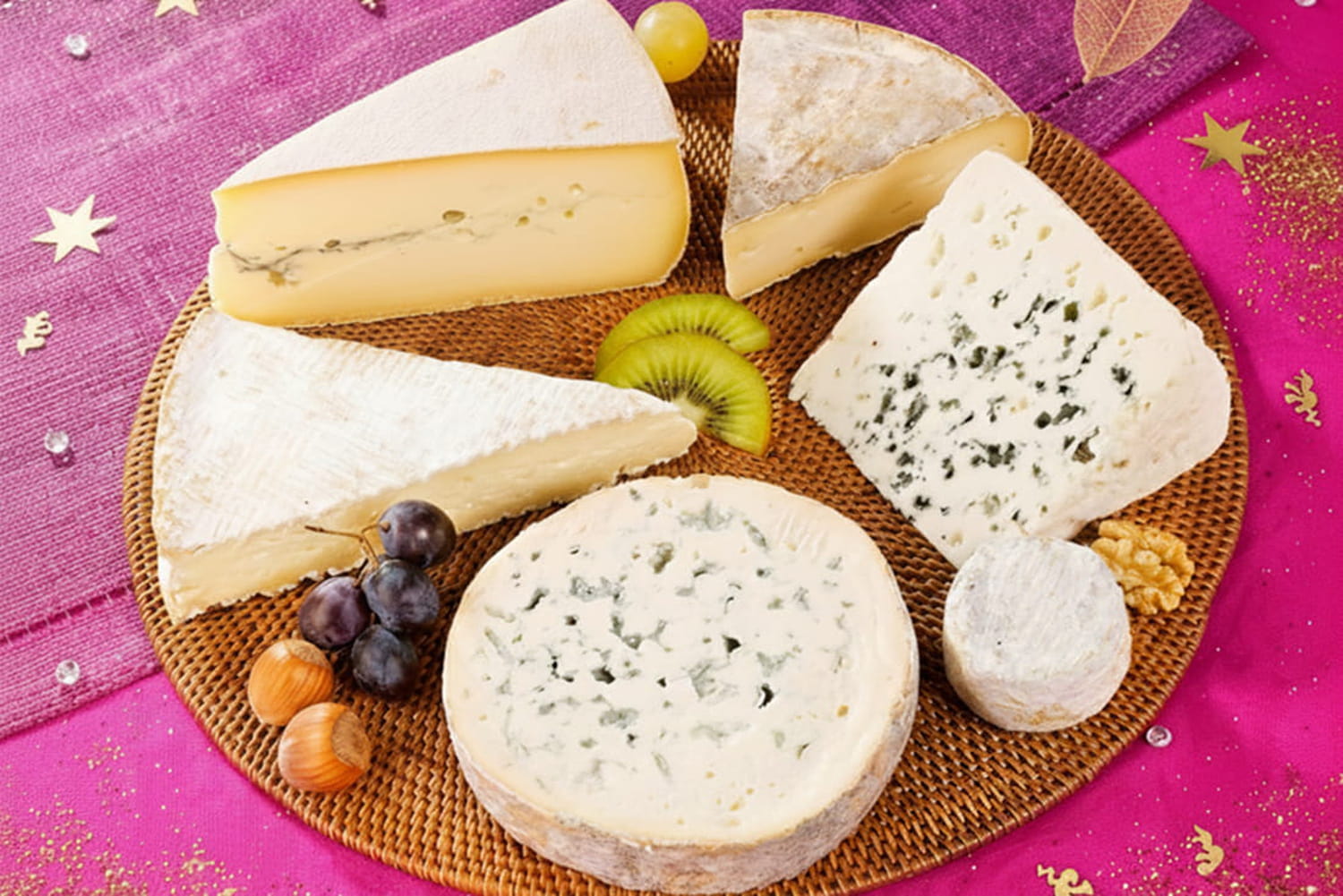
It is a fresh and subtle cheese, ideal for ending the meal on a light note.
Cheese is an essential pillar of the meal, especially in France. We usually offer an assortment that covers different families of cheeses and milks to satisfy all tastes at holiday time. Cheese is delicious but be careful: it is fatty, high in calories and can therefore weigh heavily on digestion. The worst choices are cheeses rich in lactose (Mascarpone), industrial processed cheeses (Vache qui rit, Kiri, Babybel…) full of additives, as well as extremely fatty cheeses which slow down the action of the stomach, such as Triple Cream cheeses (Brillat-Savarin, Délice de Bourgogne).
Another cheese has rather beneficial effects on digestion. The main reason for its digestibility lies in the unique composition of its milk. “It contains smaller fat molecules and less lactose than cow’s milk, making it easier to digest for many people, especially those with mild lactose intolerance. It also has a different protein structure, which may reduce digestive upset in sensitive people“, explain Beth Czerwony, dietitian interviewed on Parade media. Above all, this cheese is generally less fatty and lower in calories than many other cheeses.
The most beneficial cheese for digestion is goat’s cheese, that which is fresh or slightly matured: the three best goat’s cheeses being log, crottin or fresh drained goat’s cheese. The golden rule, especially during an already rich or copious meal, is moderation. Nutritionists advise limiting yourself to one or two thin slices (around 30 grams in total) of goat cheese to benefit from its qualities without overloading the digestive system. Beyond its lightness, this cheese is a true “living” food. “It contains probiotics which contribute to intestinal health and the balance of our microbiome. Check the presence of the mention ‘lactic ferments’ on the label to find out if your goat cheese offers this advantage“, continues the nutrition expert. These good bacteria help maintain the balance of the intestinal flora, essential for good digestion (reduction of bloating, strengthening of the intestinal barrier) and for immunity.
To fully benefit from the benefits of goat cheese without disrupting your transit, a few little-known tips make all the difference. First, avoid eating the crust if you have very sensitive intestines. “Although it is edible, it concentrates ripening molds which can be irritating for some.“. Deuzio, the tip of connoisseurs is to favor the association with fibers. Rather than enjoying it alone with white bread, combine your fresh goat’s cheese with a handful of nuts or slices of apple or figs. These fibers act like a digestive “carpet” which slows the absorption of fats and nourishes the precious probiotics of the cheese. Finally, for festive meals, consume it at room temperature (taken out 30 minutes before): the fat has already softened by ambient heat is much easier for your stomach to break down than if ingested ice cold.