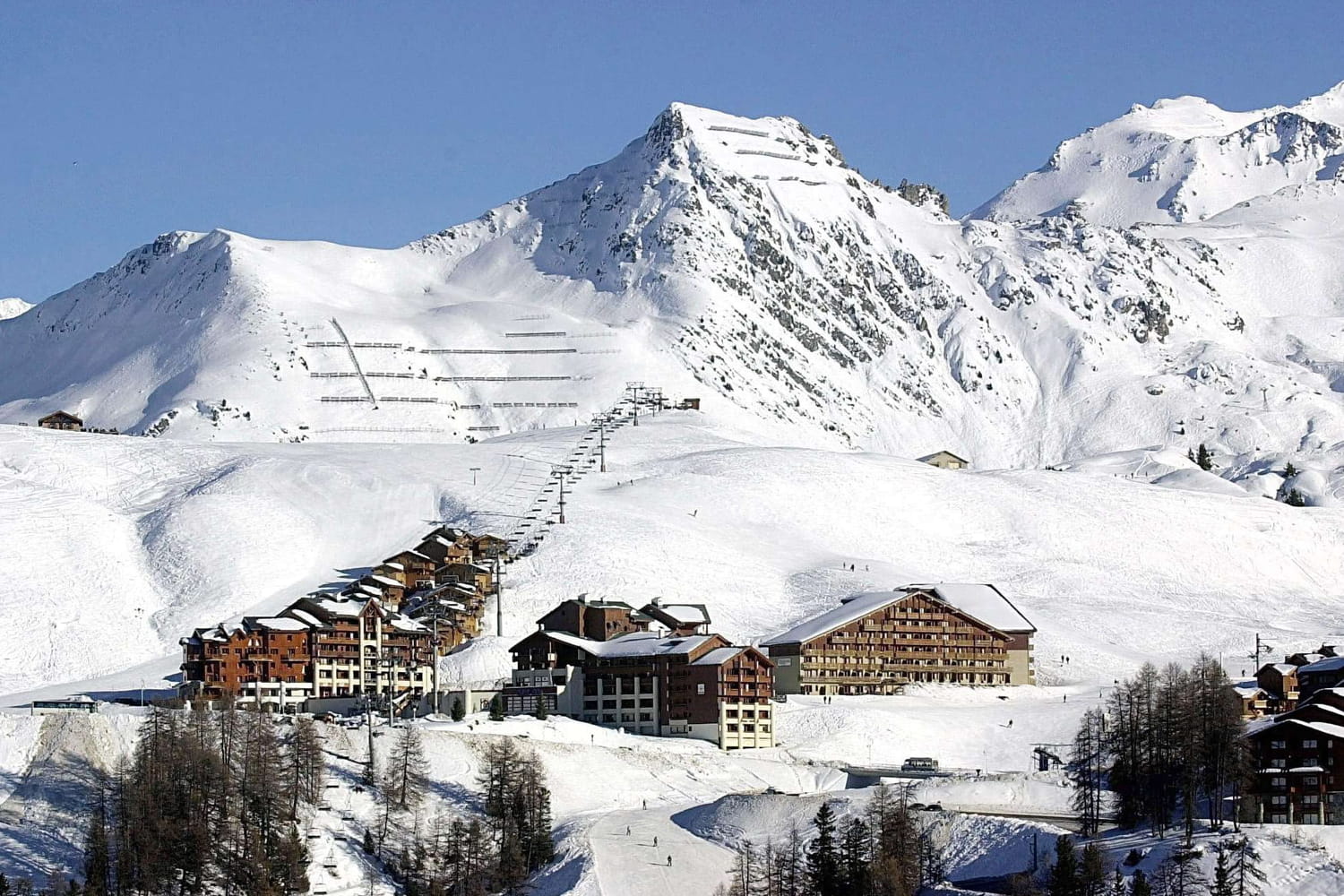





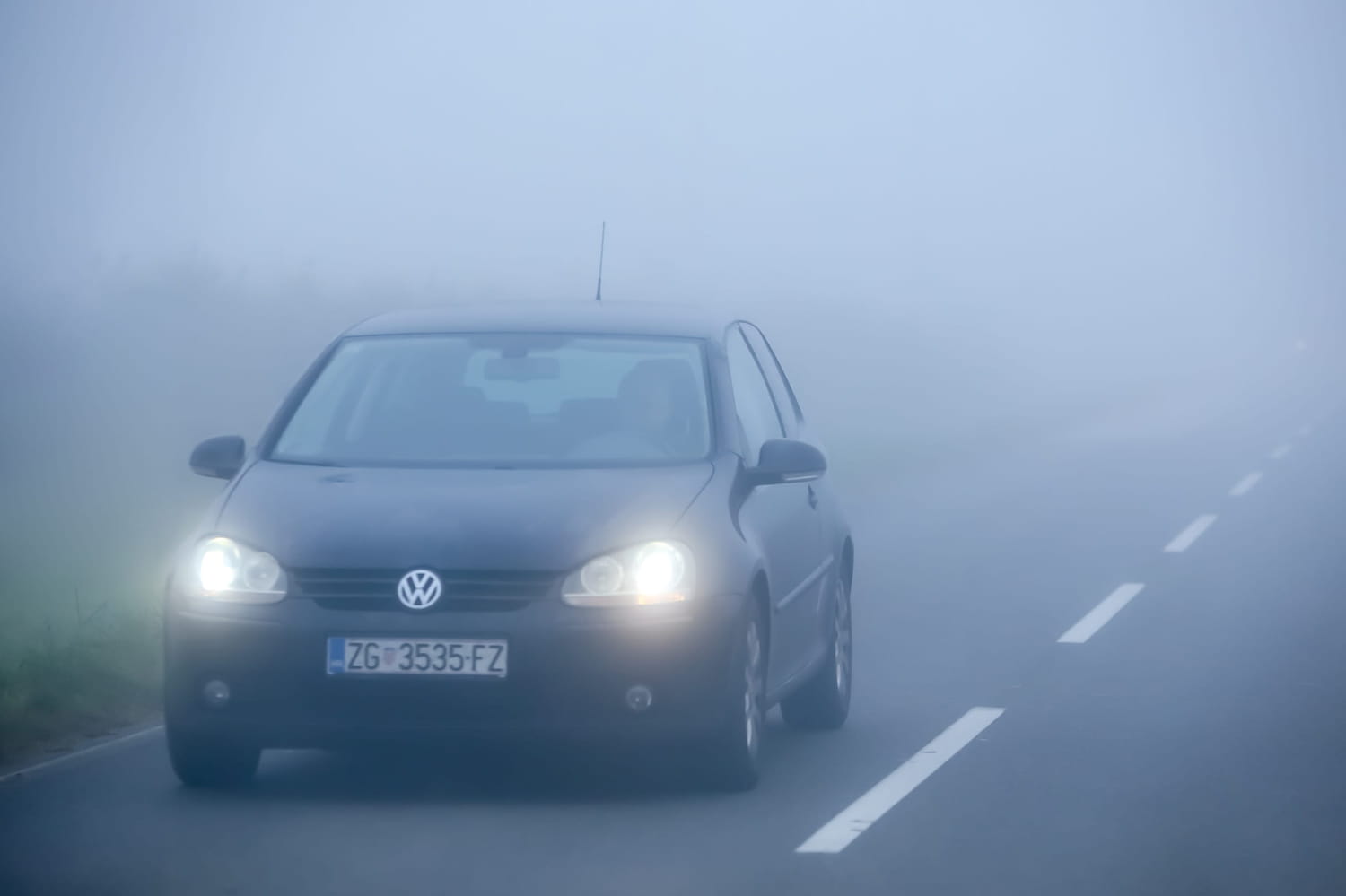
A rule to know when winter sets in and visibility plays hide and seek with motorists.
When the days get shorter and the weather gets worse, driving becomes an exercise in constant attention. Fog in the early morning, heavy rain on the highway, slush on the secondary roads: winter multiplies delicate situations and, with them, the opportunities to make mistakes. Many drivers think they are doing the right thing by adapting their lighting, but certain reflexes are far from being compliant with the Highway Code. Among them, the use of fog lights comes first.
What poses a problem is that these lights are seen as a sort of safety bonus, to be activated as soon as the sky gets a little cloudy. However, both front and rear, they are powerful, very visible, and designed for very specific situations. The front lights can supplement or replace the low beams when conditions become really bad, while the rear lights, which are much more dazzling, are strictly framed. Leaving them on in normal rain or in simple gray weather does not improve visibility; on the contrary, it hinders the drivers following and increases the risk of collision. It is precisely to avoid these abuses that the regulations are so strict.
In this context, when is the authorized time to turn the fog light dial? How to avoid the fine? It’s very simple, in France, the Highway Code only authorizes their use when visibility is greatly reduced due to fog, snowfall or very intense rain. Concretely, this corresponds to visibility less than around 100 meters. Apart from this specific case, they must remain turned off. It is this threshold, and it alone, which makes the difference between compliant lighting and a fine of 135 euros.
On the other hand, when visibility exceeds this threshold of 100 meters but the road remains dark or poorly lit, low beam headlights remain the reference, at night or in bad weather, because they allow you to see correctly without dazzling other users. High beams, often called full headlights, can only be used outside built-up areas, on an unlit road and provided you are alone on the road. As soon as a vehicle approaches or drives in front of you, they must be turned off immediately because they dazzle too much the driver coming in the opposite direction. Fog lights are not intended to illuminate further but to improve visibility in dense fog or snow, where high beams become ineffective. In short, to remember to avoid the fine.