




Cold calling remains one of the most widespread sources of annoyance. Faced with this situation, UFC-Que Choisir is putting forward a solution that does not resemble the usual advice.
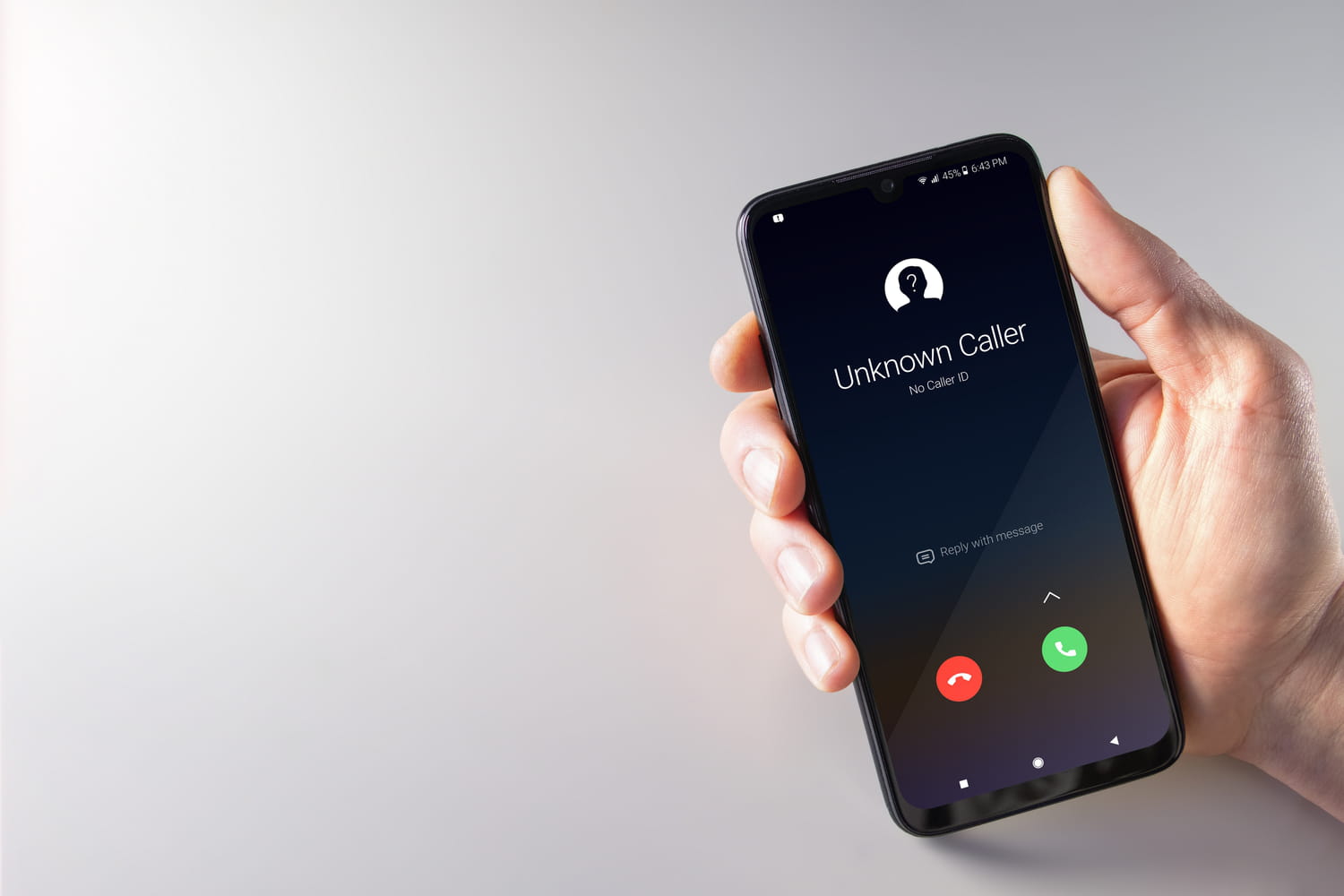
The phone rings, an unknown number is displayed and, often, the same mechanism takes place: a person who claims to want to save you money or check equipment. The scripts are well-rehearsed, the speeches are similar and the objective is clear: to capture attention for a few minutes. According to a survey published by UFC-Que Choisir on January 19, 2026, 97% of French people say they are irritated by these telephone requests. A near unanimity which shows to what extent the phenomenon has become part of everyday life. Between legal sales calls, aggressive practices and scam attempts, it becomes difficult for individuals to know how to react when their phone rings.
To try to reduce the phenomenon, several measures already exist. For example, the Bloctel register allows you to oppose commercial canvassing by registering your telephone numbers on a dedicated list. Professionals then no longer have the right to contact these lines, except in certain cases provided for by law, such as already existing commercial relationships or opinion surveys. At the same time, some operators are developing call identification technologies that directly display the company name when the company has been authenticated.
Despite these tools, appeals persist and the legislation evolves. A law adopted on June 20, 2025 plans to completely prohibit unsolicited telephone canvassing from August 11, 2026, all sectors combined. The objective is to significantly reduce these practices which saturate the lines and expose individuals to fraud attempts. Until this measure comes into force, the precautionary advice remains the same: do not communicate sensitive information, do not validate codes received by SMS and verify any action via official channels.
The question that often divides remains: should these calls be answered or ignored. Some people prefer to pick up to indicate that they are not interested, others hang up immediately or block the number. But, as Benjamin Recher, responsible for institutional relations in France at UFC-Que Choisir, explains: “Pick up or hang up, it gives proof of life to the party opposite. Whether it’s an artificial intelligence or a real person. So I recommend letting the calls flow, and waiting patiently for them to stop.”
It is this solution which is proving to be the most effective today according to the association. In this way, the line ends up being considered inactive by some automated canvassing systems, gradually reducing the frequency of calls. The method requires a little patience, but it avoids populating the databases used to target consumers.