
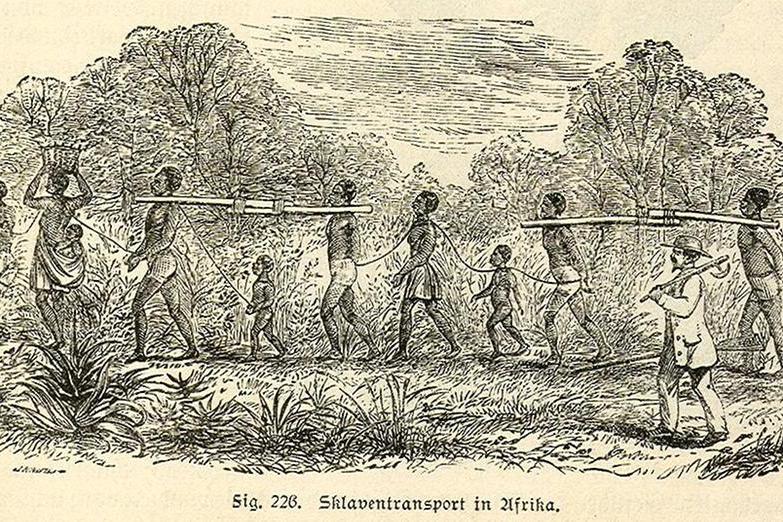




Applause broke out in the hall of the United Nations General Assembly on March 25, 2026, when member states adopted a resolution declaring the transatlantic slave trade as the gravest crime against humanity. A day that many have defined as historic, chosen with symbolic care: March 25th is the date on which, in 1807, the British Parliament approved theAbolition of the Slave Trade Actand has since become the International Day of Remembrance of the Victims of Slavery.
A vote that divided the world
The resolution, proposed by Ghana, received support from 123 countries, while three, the United States, Israel and Argentina, voted against, and 52 abstained, including the United Kingdom and all 27 members of the European Union. Italy is among the abstentions.
The geopolitical rift reflects a profound tension between the moral recognition of a huge historical wrong and its possible legal and economic consequences. The United States, while condemning the slave trade, has stated that it does not recognize “the legal right to reparations for historic wrongs that were not illegal under international law at the time they occurred.”
The European Union, for its part, explained its abstention with legal reservations: the use of the superlative “most serious” implies a hierarchy between crimes against humanity which has no basis in international law, risking diminishing the pain of the victims of other atrocities.
What does the resolution actually ask for?
The resolution is not binding and does not produce immediate legal effects. Yet it has considerable political and moral weight. It calls on UN member states to initiate talks on restorative justice, which may include formal apologies, restitution measures, reparations, rehabilitation and changes in laws to address systemic racism and discrimination. The resolution also calls for the “prompt and unhindered” return of cultural assets, including works of art, monuments, museum pieces, documents and national archives, to their countries of origin, without costs.
For Ghana, the country promoting the resolution and historically one of the main hubs of trafficking towards the Americas, the vote represents a fundamental step. Ghanaian Foreign Minister Samuel Okudzeto Ablakwa explained that the resolution “is not intended to assign blame across generations or nations. It’s not about reopening old wounds; it’s about ensuring that those wounds are neither forgotten nor denied. It’s about creating space for truthfor education and for a more honest conversation that allows us to move forward with greater understanding.”
The cry for justice that resonates in history
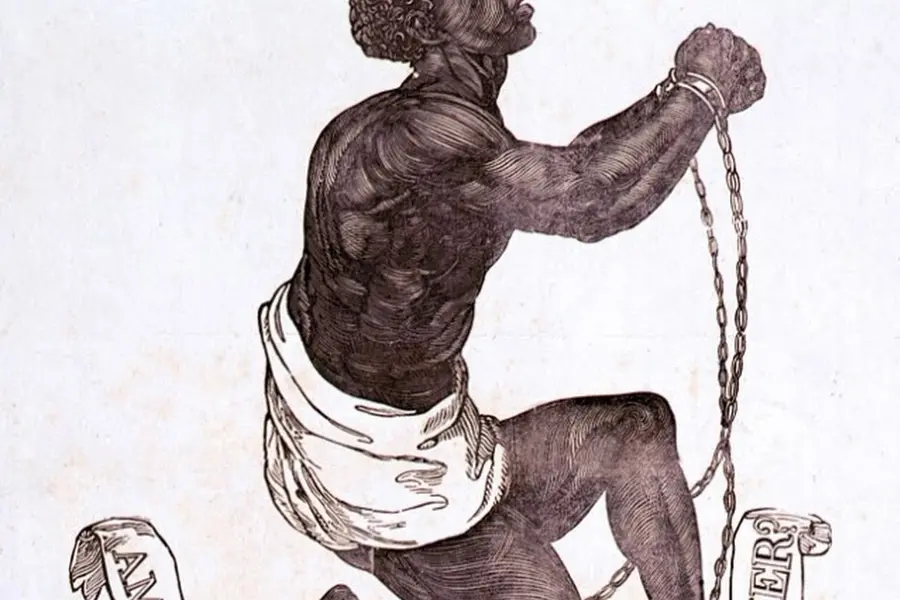
UN Secretary-General António Guterres has called for addressing the enduring legacies of slavery: inequality and racism. «We must now remove the persistent barriers that prevent so many people of African descent from exercising their rights and realizing their potential», he declared. The President of the General Assembly, Annalena Baerbock, used powerful words: «The slave trade and slavery are among the most serious violations of human rights in the history of humanity, an affront to the very principles enshrined in the Charter of the United Nations and in the Universal Declaration of Human Rights, born in part from these injustices of the past».
The story: four centuries of horror in numbers
To understand the weight of this resolution, it is necessary to look at the historical data in its nakedness. For more than 400 years, more than 15 million men, women and children were victims of the transatlantic slave trade, one of the darkest chapters in human history.
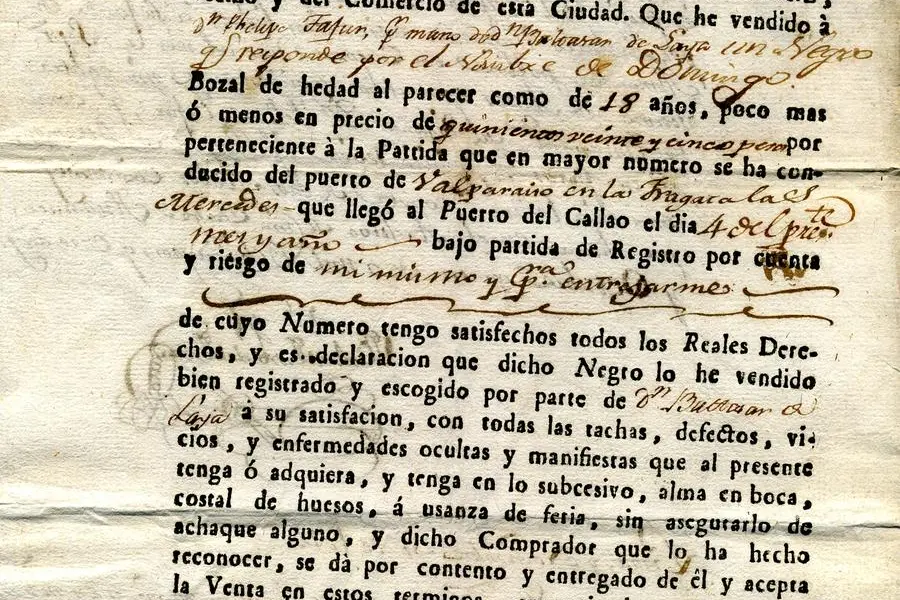
Current estimates indicate that approximately 12-12.8 million Africans were transported across the Atlantic over a span of 400 years. The number purchased by merchants was considerably higher, as the crossing had a high mortality rate: between 1.2 and 2.4 million died during the voyage, and millions more in acclimatization camps in the Caribbean after arriving in the New World. Some 10.7 million people survived the horrors of crossing the Atlantic between 1526 and 1866, only to end up enslaved on sugar, rice, cotton and tobacco plantations in the Americas and the Caribbean.
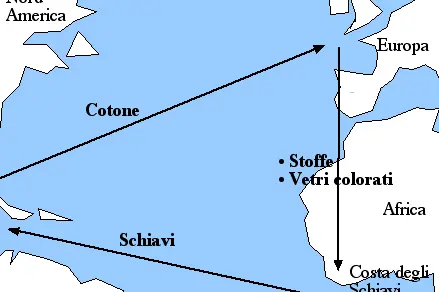
The trade began in the 15th century with Portugal and Spain, and then extended to France, England and the Netherlands. By the early 19th century, various governments took action to outlaw the trade, although illegal smuggling continued. It is generally believed that the transatlantic route ended in 1867, but evidence of voyages as late as 1873 has been found. In Great Britain, trafficking was abolished in 1807, slavery itself in 1833. In the United States, the importation of slaves was banned in 1808, but slavery as an institution lasted until the Civil War and the 1865 amendment.
Today the request for restorative justice that comes from the UN resonates with deeply evangelical categories: the memory of the victims, the recognition of the wrong, reparation as a concrete act of reconciliation. It is not about punishing the living for the sins of the dead, but about recognizing that the consequences of those sins, structural inequalities, systemic racism, inherited poverty, continue to shape the present.
The resolution, although not binding, poses a moral question that no one can avoid: what does it mean, today, to “love your neighbor” when your neighbor still carries the wounds of a history that has deprived him of everything, of his name, of his family, of his freedom, of his life?