




Abide in Jesus, believe in God
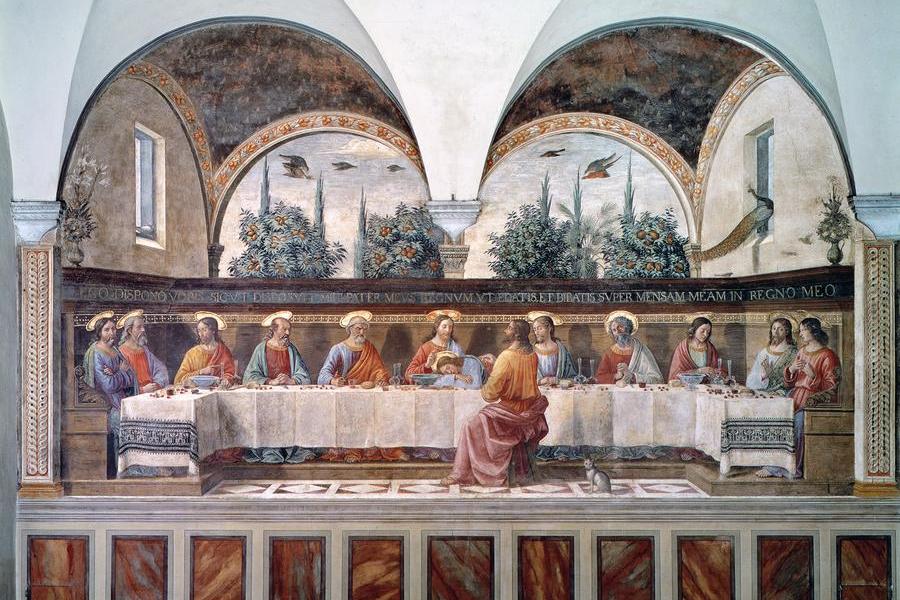
On the last Sundays of Easter the liturgy takes us into the heart of the speeches that Jesus pronounces during the Last Supper told in the Gospel of John. I am intimate wordssaid on a night full of waiting and restlessness, when Jesus knows that his hour is now near. In these speeches he opens his heart to the disciples and delivers them a key to understand what is about to happen.
The story opens with an atmosphere of disturbance. The disciples sense that something is changing: Jesus spoke of his departure and their hearts are restless. In this context, words that have the tone of consolation resonate: «Do not let your heart be troubled. Believe in God and believe in me.” Jesus does not ignore the fragility of his friends. Shortly before, he himself had confessed that his soul was troubled. He knows well the weight of fear and uncertainty. However, he indicates a way to cross them: believe.
In John’s language this word has a very concrete meaning: he almost never speaks of “faith” as a noun but uses the verb “to believe”. It is as if John wanted to remind us that faith is not something you possess, but a gesture that is done. Believing means entrusting oneself, handing oneself over, placing one’s life in the hands of God. Even the order of the words in Jesus’ sentence is significant: “Believe in God and believe in me”. The two expressions refer to each other to indicate that they are inseparable. Trusting God and Jesus is a single act.
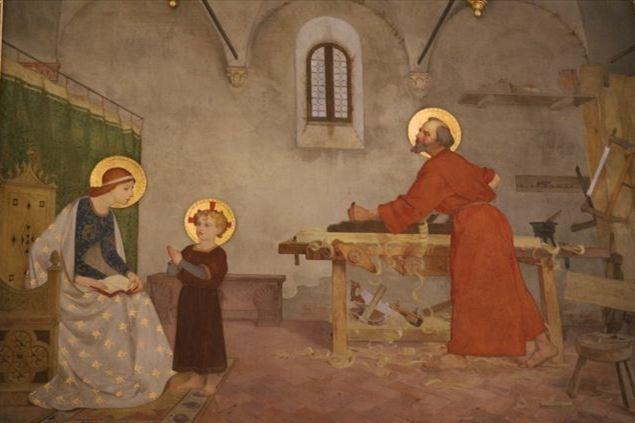
Then Jesus reassures the disciples with a simple image: «In my Father’s house I am many homes.” Not a distant place, but a home where there is room for many. “Dwelling” recalls the verb “to remain”, so dear to Giovanni. Faith is this: stay with Jesusdwell in his friendship.
And when Jesus adds: “I go to prepare a place for you”, the disciples do not yet fully understand. He speaks of his Easter, of the path that will open through his death and Resurrection. It is as if he were saying: I go before you to open the door of the Father’s house, so that you too can enter. Despite these words, they remain confused. Thomas speaks: «Lord, we do not know where you are going and how can we know the way?». Jesus’ response illuminates the whole speech: “I am the way, the truth and the life”. He does not simply indicate a path to follow, but states that the path is Himself. The way is the road that leads to the goal; truth is the revelation that makes God known; life is the ultimate gift towards which everything tends. In Jesus these three realities coincide. He is the road that leads to the Father, he is the revelation of the Father and he is the life that the Father communicates.
The dialogue continues with another question. Philip says: «Lord, show us the Father and it will be enough for us». It is the profound desire of the religious man: to see God. But Jesus responds with surprising words: “He who has seen me has seen the Father”. There is no need to look elsewhere: the face of God can be recognized in the person of Jesus, in his words and works. In the end Jesus returns to the heart of his invitation: to believe. «Believe me… believe in me». Believing someone means trusting their word and entrusting your life to them. This is the movement of faith according to the Gospel of John. Not a simple religious belief, but a living relationship with Christ. When man takes this step, the disturbance does not disappear completely, but it loses its strength. The heart finds a new stability, because it discovers that it is no longer alone: the road exists, the Father’s house is open, and the way to get there has the face of Jesus.