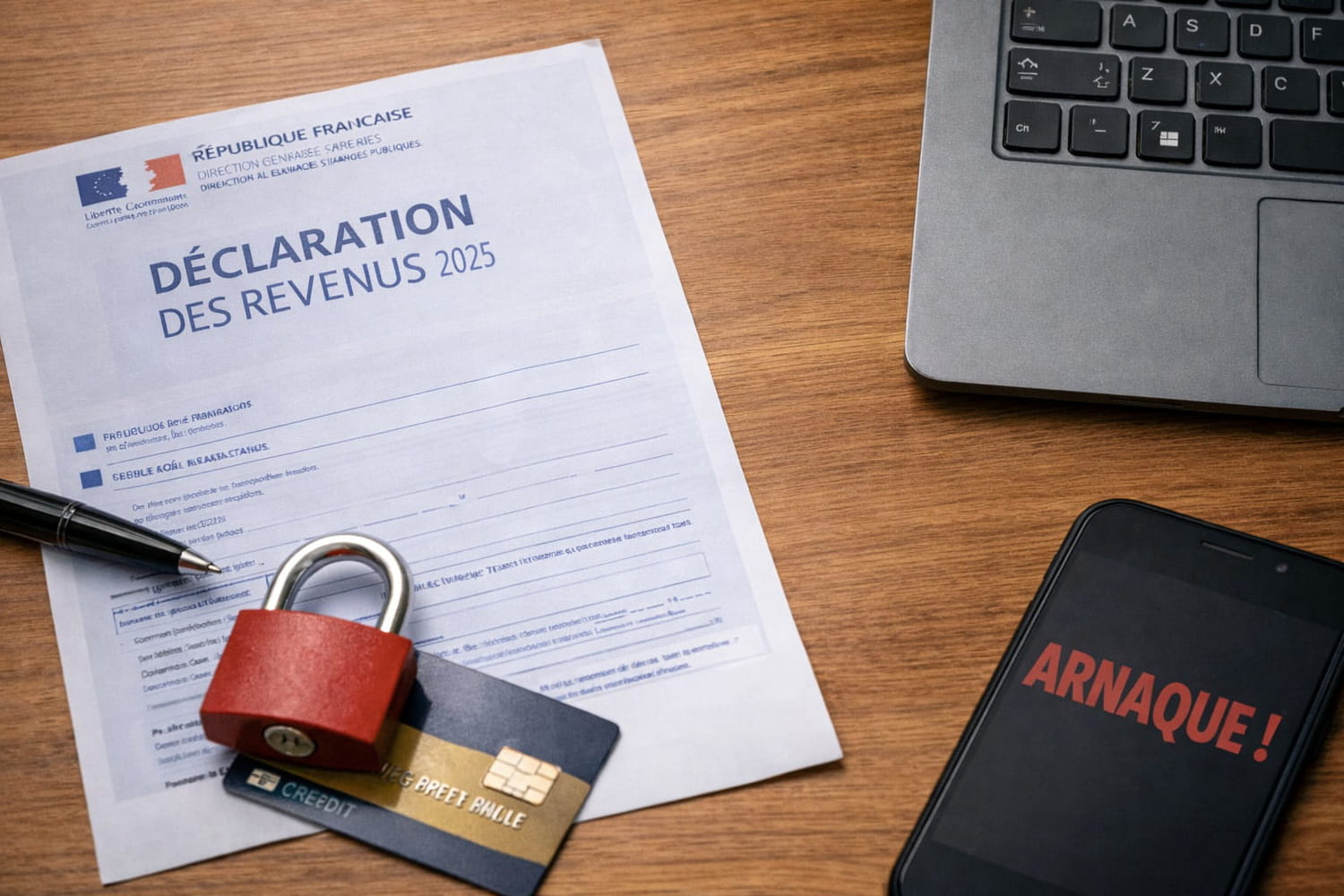






As the tax return approaches, scammers take action. The Interior Ministry is alerting taxpayers to a new scam just before the tax campaign opens in April.
As the tax return approaches, scheduled like every year in the spring, vigilance is required. From the month of April, millions of taxpayers connect to the tax website to carry out their administrative procedures. This very active period also attracts cybercriminals, who take advantage of the influx of connections and the concerns linked to tax procedures to trap their victims. As is often the case at this time of year, scam attempts multiply. And in fact, a new email scam is currently circulating.
The Interior Ministry recently launched an alert on this particularly credible phishing attempt. Scammers impersonate the Treasury and send a message that appears to come from an official administration. The goal is simple: create a sense of urgency to push the person to act without thinking. Fraudsters play on the fear of an administrative sanction or an unpaid debt in order to encourage recipients to quickly click on a link or pay a sum of money.
In the fraudulent email reported by the authorities, the subject is particularly alarming: “Last reminder before execution of the Administrative Seizure (SATD)“. This wording uses the vocabulary of the tax administration to appear credible. The message mentions a fixed fine of 343.01 euros which should be paid immediately. Recipients are also threatened with an increase to 675 euros if payment is not made within 24 hours. Everything is designed to give the impression of an official procedure and push the victim to pay quickly.
Faced with this type of message, the Ministry of the Interior recalls several essential reflexes. First, never respond to this email or click on any links. It is also recommended not to transmit any personal or banking information. The safest thing to do is to delete the message immediately. The authorities also point out that no French administration requests urgent payment by e-mail with the threat of automatic penalty.
To avoid any unpleasant surprises, a few simple precautions can help you protect yourself. Always check the sender’s address: fraudulent emails often use addresses close to but slightly different from official addresses. If in doubt, connect directly to your personal space on the official tax website rather than following a link received by email. Finally, you can report any attempted fraud on the dedicated platform of the Ministry of the Interior or on the website cybermalveillance.gouv.fr. The rule remains the same: when faced with a message that plays on urgency or threat, it is better to take a few minutes to check before acting.