





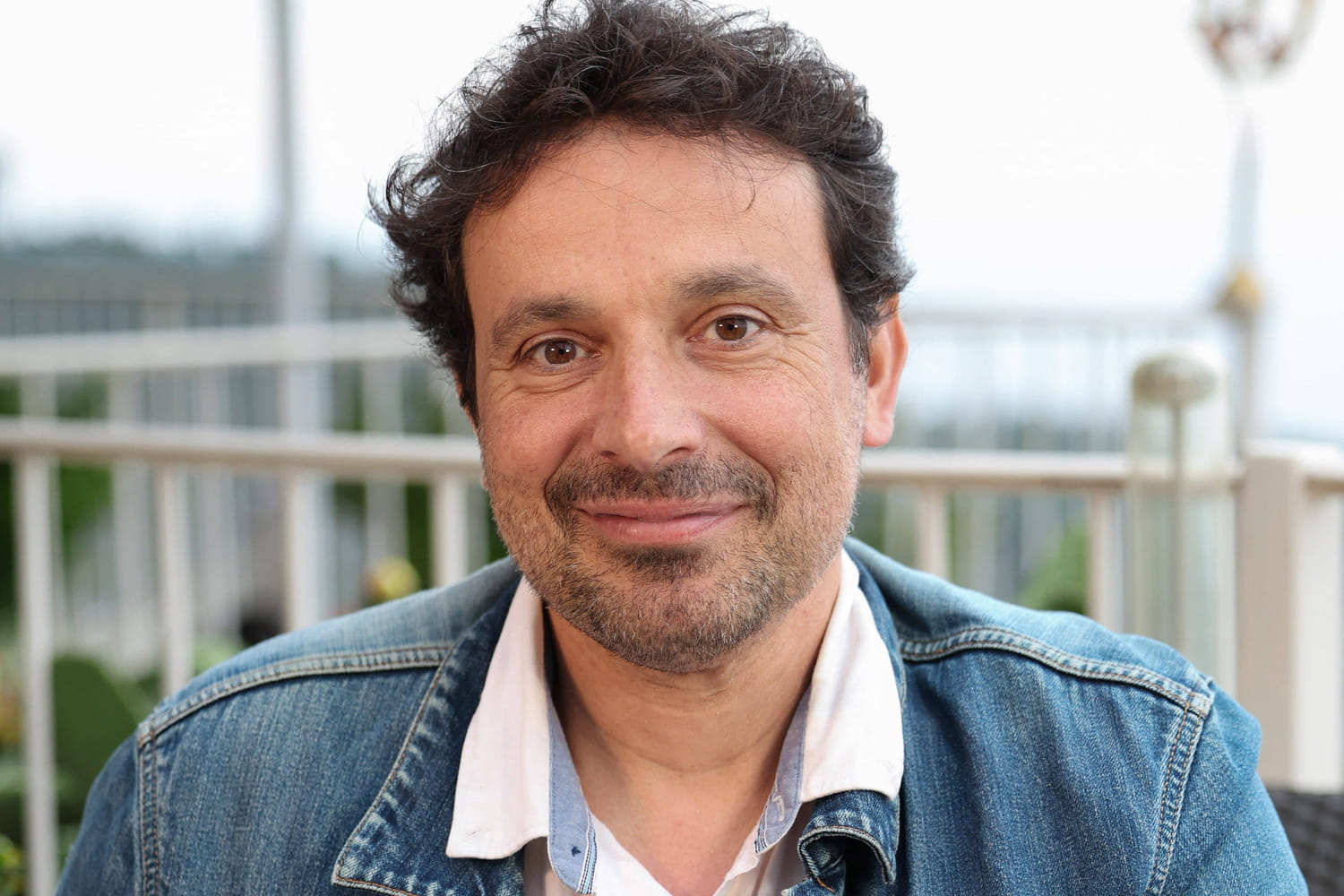
The actor died on March 15 at the age of 55. A few years ago, he revealed that he suffered from misophonia. Explanations.
Tributes to actor Bruno Salomone have been pouring in since the announcement of his death on Sunday March 15, 2026. He suffered from cancer according to statements from several relatives, and he also suffered from misophonia since his childhood. “As soon as someone chewed, it annoyed me, it irritated me and I blocked it, I looked at their mouth”he shared in 2023 on the set of the show “That will not come out of here” hosted by Michel Cymes. “No one finds it pleasant when someone chews popcorn very loudly next to them at the cinema… But I have a real blockage, I focus on it. Afterwards the brain is perverse, the more we focus on it, the more we think about it and the more we scan them and limit myself to looking for them.”
Misophonia is a disorder that causes intolerance to sounds made by others such as chewing, swallowing or breathing. Misophones can tolerate their own noises but cannot tolerate those of the people around them. “Misophones come to anticipate these irritating and stressful noises, which secretes adrenaline in them. Even before the moment occurs, these people already put themselves in a complex psychological state. When the noises arrive, they feel angry and can become aggressive or they flee (avoidance strategy). Sometimes some start banging on the table, singing loudly or screaming”Dr Anne-Marie Piffaut, author of the book, recently explained to us “Misophonia: Intolerance to the noises of others.
“People with diverse life stories and sensibilities”
Misophonia is not a disease “but a symptom” would like to clarify the specialist. “This symptom is there to say something and as long as the meaning is not understood, people invent stories which sometimes have nothing to do with the real cause.” The cause of misophonia is nervous hyperexcitability or hypervigilance. “Either it is organic, that is to say that we are born hypersensitive, or it is linked to the past, to a difficult experience which led us to be very attentive to the slightest noise, to the slightest stimulus.” People affected by misophonia are actually more often “people with different life stories and different sensitivities. What matters is the emotional experience and how to desensitize it. There are solutions.”
The most effective treatment according to Dr Piffaut is integrative psychotherapy, which places the patient at the heart of their care journey. “Misophonia cannot be treated with tranquilizers or antidepressants. she emphasizes. Among the complementary solutions, she recommends cardiac coherence which helps to calm the person or EMDR. Bruno Salomone raised awareness among the general public about this disorder in his novel “Les Misophones” published by Editions du Cherche-Midi in 2019. In France, 15% of the population suffers from misophonia.