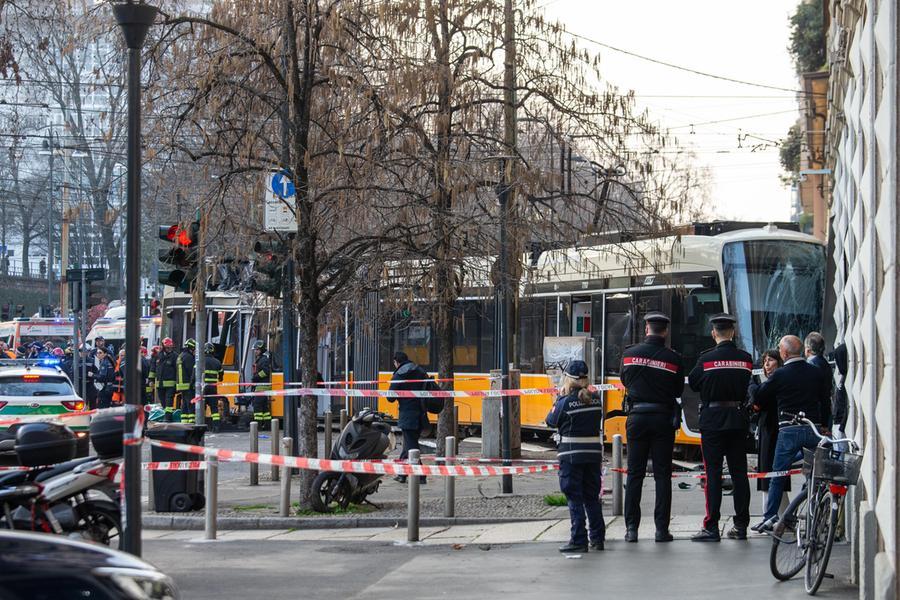



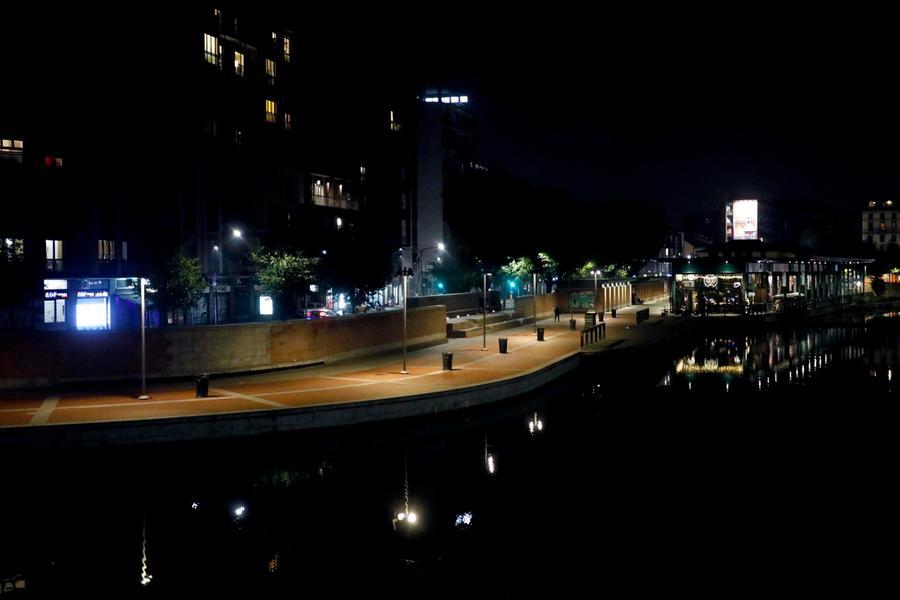
In Milan, a group of girls, two of them minors, steal from a jacket forgot a pair of airpods in a bar. The owner returns to get the jacket and immediately notices the theft. With the App he manages to track down the headphones and heads towards the steps of the Darsena to retrieve them. Once there, he activates the beacon which resonates in the backpack of a girl intent on drinking from a beer bottle. The boy demands back what is his and in an instant the situation degenerates. The girl breaks the bottle on the wall and uses it as a weapon to threaten him. The boy runs away and calls the police who intervene promptly but are also subjected to the violent reaction of the girls. This news story, like many others, is striking because the perpetrators are girls, in whose bags a brass knuckle and a glass-breaking hammer were found, inappropriate objects for anyone preparing to spend an evening at the bar.
Violence has no gender. The news often narrates stories of men who commit abuse and violence towards women but the subjective experience on the one hand and history on the other, narrate how even the feminine has within itself an aggressive soul for self-affirmation. Weapons can be material, as in this case, or immaterial such as talking behind one’s back, discredit, offend or denigrate. Working very often in schools I happen to intercept purely female dynamics of one power used against another to define who one is. Excluding a partner can be a subtle and invisible weapon that generates a lot of pain in those who suffer it. Many films, just to name one Thirteen (2003), have depicted these dynamics and seeing them together at school or in the family could be a good opportunity to talk together about why arrogance should not be the place to build one’s identity.
Girls (as well as boys) need to feel recognized and part of a group who sees value in them. “If others are afraid of me, they will look at me with respect” this can be a way to gain your own security as well as stealing something from someone or from a department store. The adrenaline and dopamine produced while committing a transgression generate a powerful energy discharge that the adolescent brain is hungry for and which distracts from the fear of one’s own frailties. Today the sense of insecurity that affects many adolescents is constantly growing. Research says that dissatisfaction mainly concerns the acceptance of one’s body image. The debate is very open on the reasons that fuel this insecurity. Many studies investigate the correlation between body satisfaction and the growing daily use of social media such as Instagram, TikTok, Snapchat and it is undeniable that these practices have made the construction of a sense of self more complex. Girls fight with their bodies in many ways and one of these is the search for forms of self-affirmation among their peers, often even in the territories of transgression. Showing off the confidence to attack a fifteen year old boy with a bottle in his hand is a way to assert yourself in front of your friends. Too bad, however, it is a highly destructive and counterproductive way.
It is necessary to offer those who are growing up experiences of belonging that allow them to intensely experience socialization with peers and adults. It is essential that the feminine is less associated with an unattainable ideal of beauty that generates stress and insecurity. “I look in the mirror every morning and it’s so hard to leave the house!” are the words of a fifteen year old girl that join those of many others. We need formal and informal places and experiences where girls and women can meet and support each other in building their own security. There are many examples already active in local areas, experiences which are still given little space in the media. Feeling beautiful and worthy is a complex achievement made up of many different ingredients and it is necessary to help girls use the powerful energies that inhabit them in a constructive way. That courage to challenge the rules must be channeled into actions that do not break the laws but rather contribute to building beauty.
We adult women must strive to be credible role models. Too many times we are protagonists of situations where we lose control and use arrogance to assert ourselves. The work with the girls who have committed this crime will have to be, in addition to the legal process, also that of helping them to construct their thoughts on the boundary between good and evil. A difficult job but more necessary than ever. Dostoevsky dedicated countless pages in “Crime and Punishment” to his protagonist’s struggle to repent and come into contact with his conscience. Today, like yesterday, this is the educational effort that we must support with every girl and boy we meet every day in our adult lives.