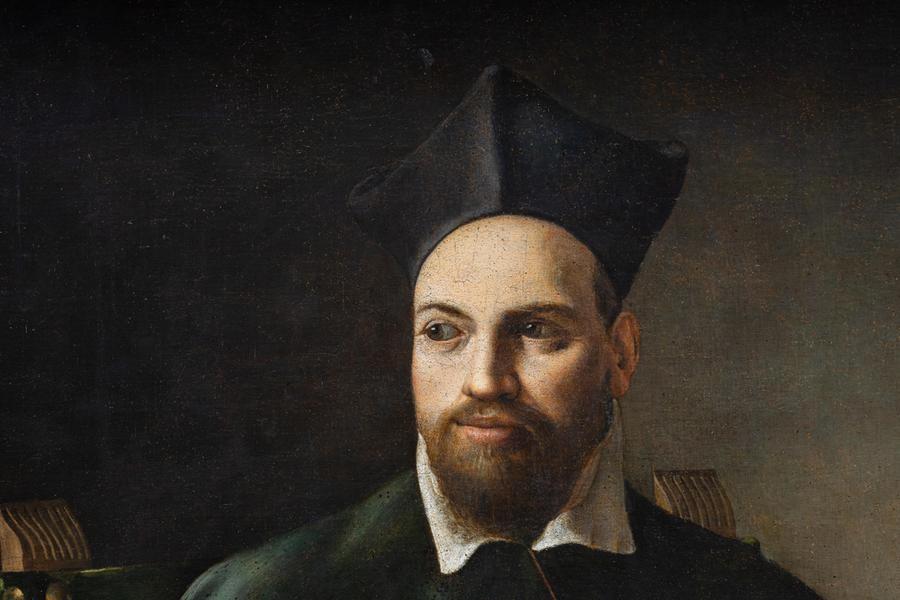



The Italian state returns to invest in art. This time not to organize exhibitions or conferences but directly with the historic purchase of a work: The Portrait of Monsignor Maffeo Barberinimade by Caravaggio between 1599 and 1603. The painting belonged to a private collection, and to purchase it the State had to pay 30 million eurosafter a negotiation between private individuals and the ministry of culture that lasted a year.
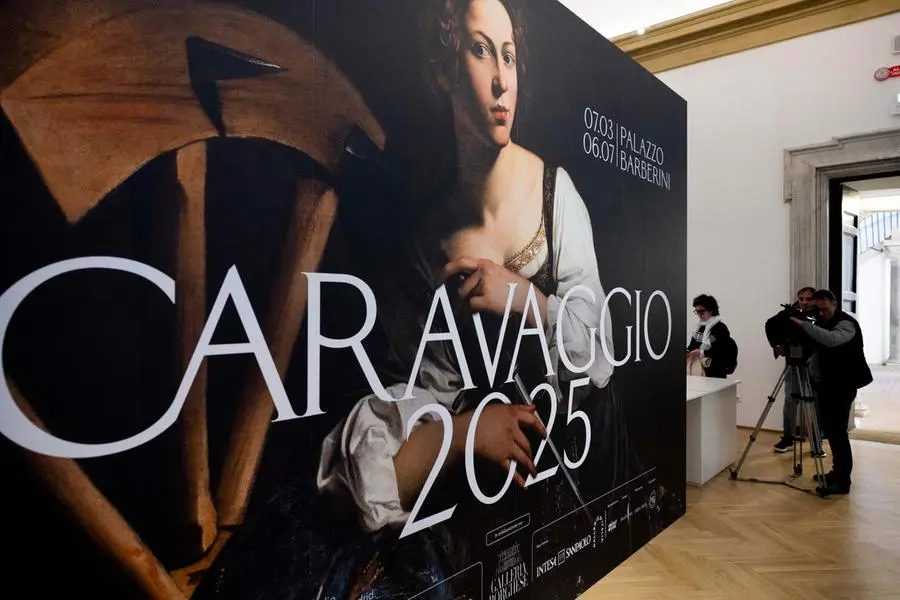
The purchase of the painting not only represents a record expense for the art market: it is the recovery of a fundamental piece in the range of works by Michelangelo Merisiknown by the pseudonym Caravaggio. The painting will be placed in the rooms of Barberini Palacewhere he had already stolen the eye in the last exhibition dedicated to the painter. The work represents the meeting between two fundamental figures of the seventeenth century: Caravaggio and Maffeo Barberini, future Pope Urban VIII.
In the years in which the painter created the work, Maffeo Barberini was a refined and curious intellectual of Florentine origins. In that historical period Rome was a concentration of ideas and currents: Barberini admired Galileo Galilei, supported the Accademia dei Lincei and appreciated the new poetic style proposed by Giambattista Marino. There is a link between Galilean science and Caravaggio’s naturalism: both look at the world without the filter of tradition. Once he ascended to the papal throne (1623) he chose a different path. Under the name of Urban VIII, he will become the patron of the most triumphal Baroque, entrusting Gian Lorenzo Bernini and Pietro da Cortona with the task of transforming Rome into a theater of divine and family glory. The same man who admired the “truth” of Caravaggio and Galileo will end up presiding over the trial against the scientist and celebrating an art that, to realism, prefers wonder and illusion.
The work is considered one of the rare portraits to certainly be attributed to Caravaggio. In fact, the use of white lead (lead white) in the iris through a brushstroke that captures the light and gives Maffeo’s gaze an almost hypnotic intensity is typical of Merisi. Furthermore, unlike his contemporaries, Caravaggio does not use cinnabar for the complexion, but lead earth and white, obtaining a real, vibrant skin effect, far from the “porcelain” of academic portraits.
The history of the painting has been marked by long attribution debates. For centuries it remained hidden in private collections (including that of the Corsini family), often confused with works by Scipione Pulzonea more formal and “cold” portraitist. The turning point came in 1963, when the famous art historian Roberto Longhi published the essay “The real Maffeo Barberini del Caravaggio”, returning the work to the hand of Merisi. Since that moment, critics have agreed in seeing the hand of the Lombard master, despite the work remaining almost invisible to the public until the recent exhibition in 2024-2025.