Honestly in this connected world, communication keeps showing up as something really important for personal growth, school success, and also work results. When companies expand across countries and people are traveling more often, the language barrier problem still shows up, like it’s always there. But the good news is that modern tech has made cross language talking much easier than it used to be. One of the tools that really stands out is a voice translator, it basically helps you translate spoken words right away and keep talking with confidence, even when you are not fluent.
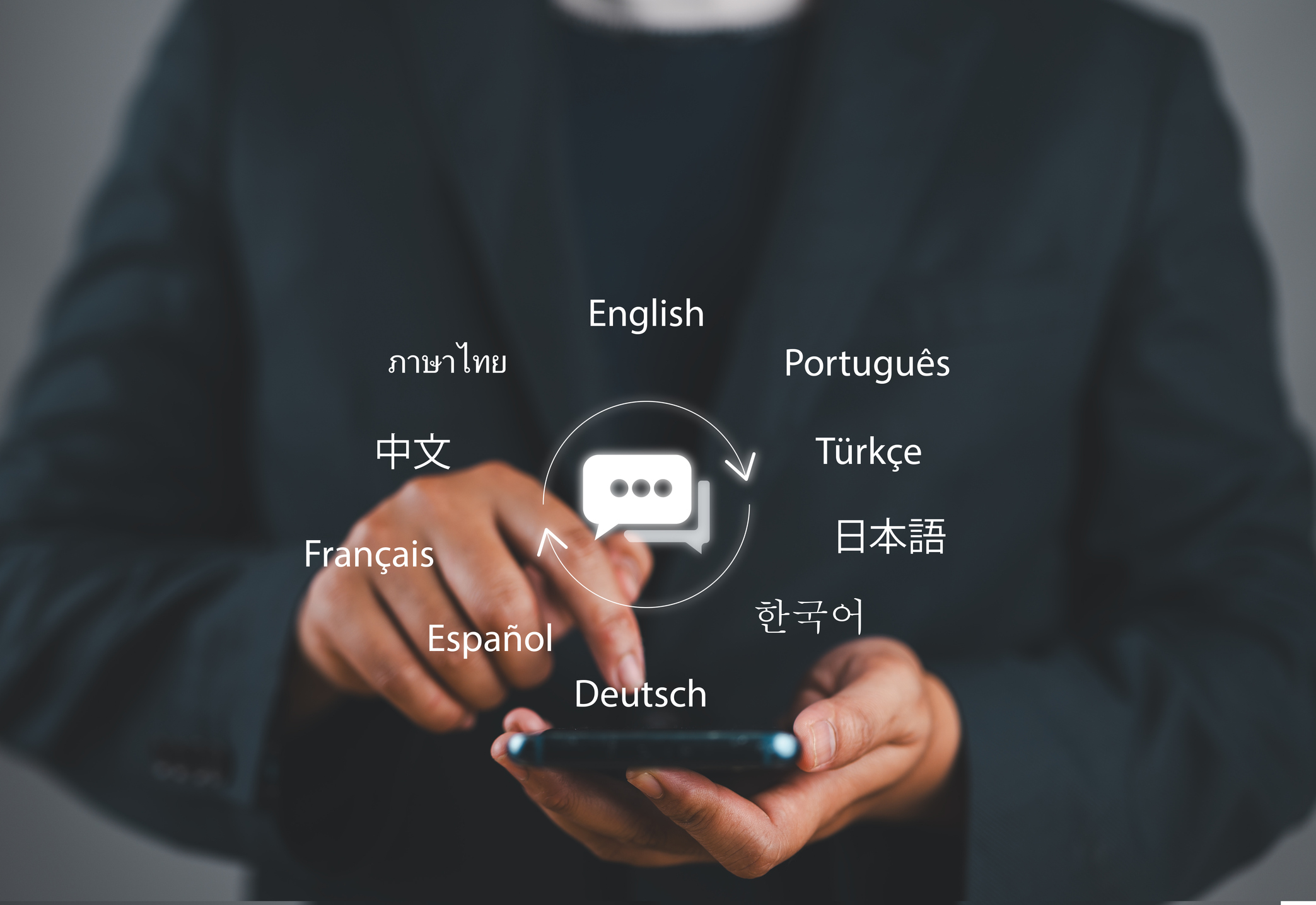
A voice translator is, like, a really useful app or device that takes spoken words from one language and turns them into another in real time. Not the old-school way of translating where you have to type everything out, this one you just talk, kind of naturally, and then you get the translation right away. Honestly that instant type of help has kinda changed how people link up with each other across different cultures and regions, even when they don’t share the same background.
One of the biggest perks is the speed, it feels fast, like you barely notice any delay. Imagine you’re abroad, or you’re in some international meeting, or you’re chatting with customers from other countries. With real-time translation, the whole conversation stays more fluid. You don’t have to hunt for the perfect wording, and you don’t have to lean on phrasebooks quite as much. You speak into it and it outputs a meaning friendly version within a few seconds, which is honestly pretty impressive.
The more people work from home, the more people seem to want translation tools too. A lot of organizations now have teams that are spread across multiple nations, so communication becomes really important even when time zones get weird. A voice translator kinda helps bridge those language gaps, so coworkers can work together more smoothly, with fewer misunderstandings. In the end this can mean higher output, stronger unity within the group, and overall better business results.
Travelers are, kind of among the most frequent users of voice translation tech. Going into a brand new country gets easier real quick when language stops being this big wall, honestly. Like from asking for directions and ordering food to booking lodging and speaking with locals, a voice translator gives travelers more independence, and maybe even a little confidence too. It can also come in handy in urgent moments where crystal clear communication really matters.
Students and educators, too, get a noticeable boost from voice translation tools. In general, schools are becoming more and more diverse, and you’ll find students from many different language backgrounds learning together in the same room. With voice translation technology helping in the background, an inclusive learning environment becomes easier to reach , because students can follow the lessons, jump into discussions ,and actually talk with classmates without as much friction. Teachers might use the same kind of tool to give more lucid explanations and keep the classroom lively, so engagement stays higher.
One more huge plus with voice translators is how they can really back customer service, like in practice, not just in theory. A bunch of companies working with international clients they run into those little headaches, when they have to answer questions in multiple languages all at once. If they add voice translation tech to the support process, then they can send replies faster and a bit more customized, almost human—personal help. So, as a result, people often feel much more satisfied with the service, and the business can form stronger ties with global audiences.
Modern voice translators are mostly pushed forward by advanced AI, and machine learning that keeps improving. They kind of watch language patterns, the way people pronounce words, and what’s going on in context, then they tune things up again and again—so the translation becomes more and more accurate as time passes. Because of all that, folks can have conversations that feel more natural, and also more insightful, not just a word-for-word deal. A whole bunch of translation tools now cover dozens, or even a hundred plus languages, which means they’re useful resources for worldwide conversation and fast comprehension.
Besides accuracy, convenience is also kind of a big reason why voice translators have become so popular. Most translation apps are accessible on smartphones, tablets, and other portable devices. That way users can tap into translation services at any moment, anytime and anywhere. Whether it’s at an airport, a classroom, a conference room, or a tourist destination, the voice translator is always close by, like it sort of knows where you are.
Privacy and security have also become kinda important for users, and honestly it’s not just a side thing anymore. A lot of today’s translation platforms have features that are meant to protect user data and keep communication more secure, so it doesn’t feel as risky. And as the tech keeps changing, developers are rolling out stronger safeguards, in order to give a safer user experience while still keeping the translations quality high.
The future of voice translation tech looks kinda incredibly promising. I mean, innovations in artificial intelligence, speech recognition and natural language processing are expected to keep pushing translation accuracy, and speed. In the next while, future tools might also give people a more seamless conversation experience, so folks from different linguistic backgrounds can interact as naturally as if they were speaking the same language, or almost close to it. That part is really exciting I think, because it feels less like translation and more like real time understanding, honestly.
In conclusion, voice translation tech has kind of become an essential way, for tackling language barriers in a more globalized world. Whether its for travel, education, business, or just regular everyday talk, a voice translator gives a practical and speedy manner to connect with folks from other cultures. And as technology keeps evolving, these tools will likely keep having a vital role in building understanding, cooperation, and real meaningful communication across the globe.