





He was admitted to the emergency room for severe chest pain, accompanied by palpitations and feeling unwell.
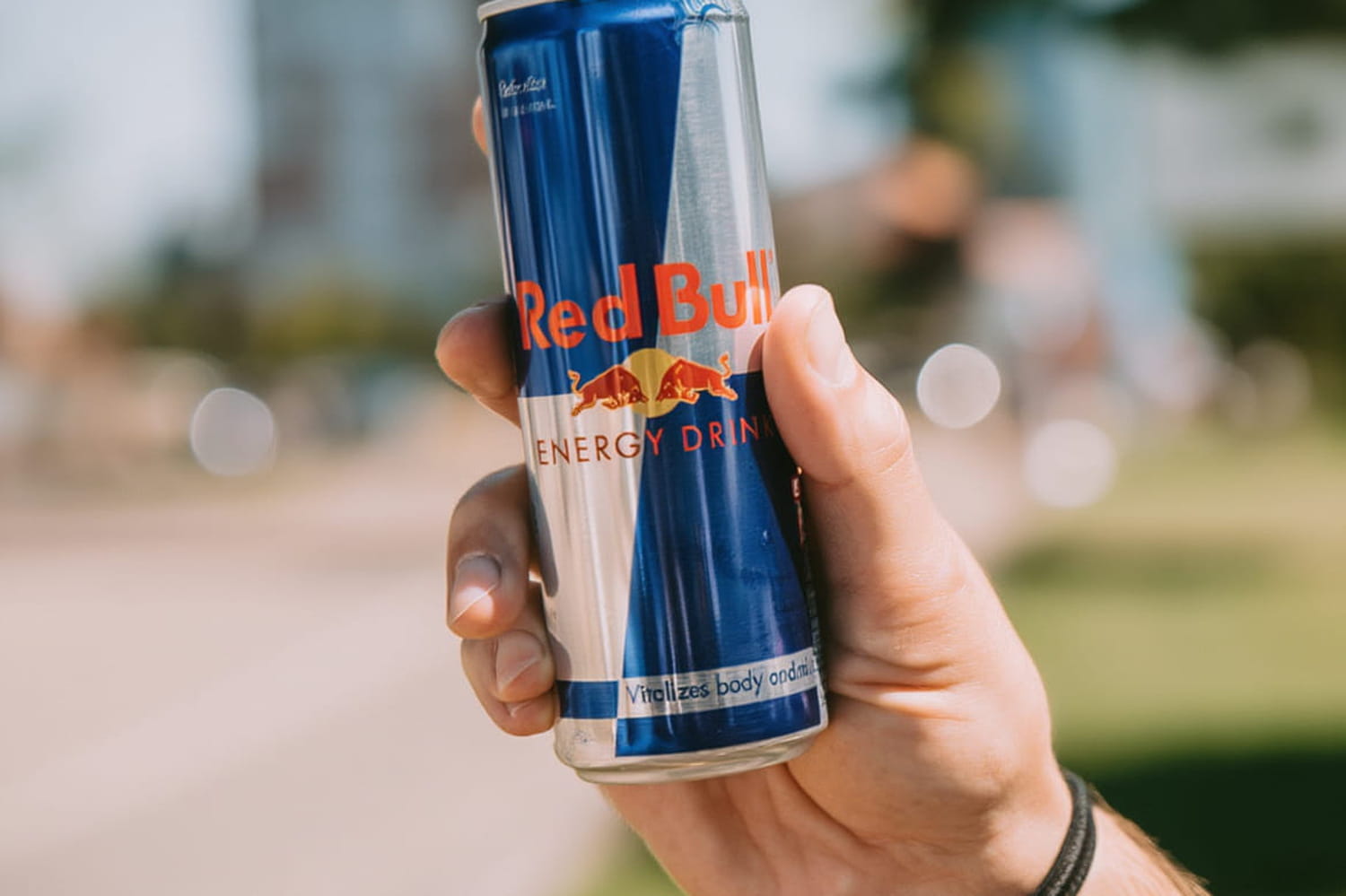
The events take place over the course of an evening, in the space of a few hours. A 23-year-old young man, with no known medical history, was admitted to the emergency room for intense chest pain, accompanied by palpitations and a feeling of malaise, suggestive of an acute cardiovascular attack. In the preceding hours, he consumed a particularly high quantity of energy drinks: between 9 and 11 cans in less than three hours, according to the account given by the medical team, leading to a sudden rise in blood pressure and an overload of the heart.
The patient reports a high habitual consumption of energy drinks, up to four cans per day, in a context of significant physical and mental load linked to his studies. He does not consume alcohol or drugs and smokes occasionally. No family history of early heart disease was found. Toxicological examinations did not reveal any traces of alcohol or illicit substances, according to information reported by Medscape.
While he was placed under surveillance in the emergency room, his condition deteriorated suddenly. He presents with ventricular fibrillation, an extremely serious rhythm disorder, during which the heart beats in a completely disorganized manner and no longer performs its pump function. The medical team immediately initiates cardiopulmonary resuscitation with cardiac massage, ventilation and defibrillation. An electric shock restores an effective heart rhythm and spontaneous circulation a few minutes later. After resuscitation, the patient is conscious, oriented and shows no neurological deficit. His blood pressure remains high and his heart rate rapid, but the clinical examination finds no heart murmur or sign of cardiac or respiratory failure.
Examinations carried out after resuscitation confirm severe cardiac damage. The electrocardiogram reveals abnormalities compatible with an acute myocardial infarction. Echocardiography reveals marked impairment of cardiac function, with a significant decrease in the heart’s ability to contract. Coronary angiography identifies a severe lesion of a coronary artery. Biological markers of cardiac distress are elevated.
This clinical case illustrates the fact that excessive consumption of energy drinks can cause major cardiovascular complications, including in young people without known pathology. Specialists suggest several possible mechanisms. The stimulants they contain, especially caffeine, increase heart rate and blood pressure, which increases stress on the heart. They can also cause serious heart rhythm disorders, capable of suddenly degenerating into cardiac arrest. When the quantities ingested greatly exceed the recommended intakes, the risk can occur without warning symptoms, making cardiac arrest the first visible manifestation.
In France, health authorities recommend limiting the consumption of energy drinks and avoiding any intake by children and adolescents, as well as pregnant or breastfeeding women and people with heart problems. They also advise against combining them with alcohol or intense physical exertion. More broadly, they remind us of the importance of not exceeding the recommended daily intake of caffeine, from all sources, in order to reduce cardiovascular risks.