





Road safety used to be about surviving mistakes. Now, with smart devices in our pockets, on our dashboards, and embedded in our streets, it’s about avoiding them altogether. As city planners, drivers, and commuters rethink how we move, a clear shift is happening, from reacting after something goes wrong to predicting risks before they unfold.
That shift is powered by better sensors, faster networks, and real-time data that gives us actionable insight instead of after-the-fact reports. And as more people upgrade their in-car setups with modern tools from places that shop automotive electronics, the everyday drive becomes less about chance and more about informed decision-making.
From Reactive To Predictive Safety
Real-Time Sensing And Edge Intelligence
We used to analyze crashes after the fact. Now we’re catching precursors in real time. Smartphones and vehicles continuously sample acceleration, yaw, GPS, camera frames, lidar/radar (in cars), and even audio cues. With on-device models, edge AI that recognizes harsh braking patterns or detects a near miss, we can surface risks in milliseconds without round-tripping to the cloud.
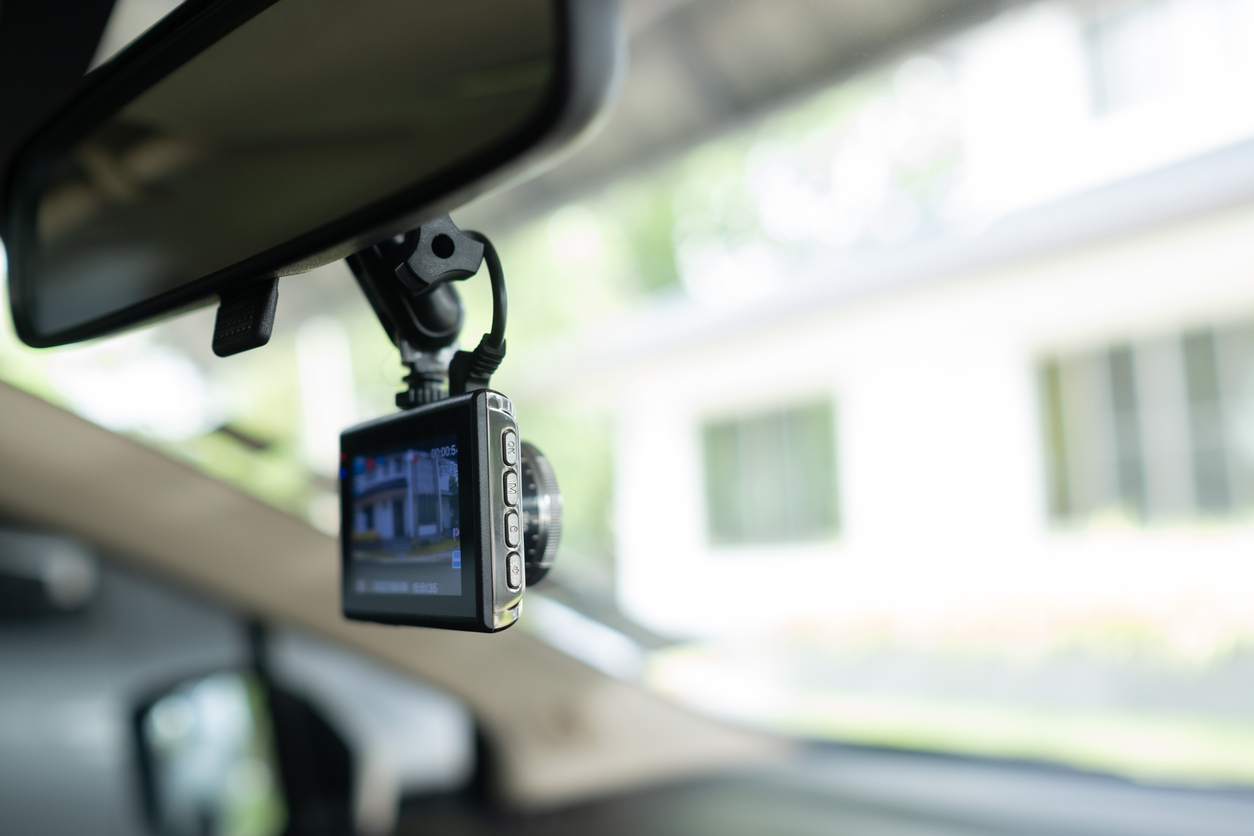
A concrete example: accelerometer and barometer fusion can tell the difference between a phone tossed on a seat and a vehicle impact. Tiny vision models can spot lane drift and tailgating from a dashcam without sending video off the device. The principle is simple: the closer the intelligence sits to the sensor, the faster the warning and the stronger the privacy posture. And as drivers layer in smarter tools, bundles like radar detector with a dash cam are becoming part of that shift toward proactive, edge-driven safety.
From Individual Devices To Network Effects
One smart device helps the person using it. A network of them helps everyone. When vehicles, phones, bikes, and intersections share real-time hazard signals, icy patches, sudden slowdowns, a pedestrian stepping off the curb, the system creates a safety “weather map.” We’re already seeing pilots where a single hard-braking event triggers anonymous alerts down the road, giving drivers 5–10 seconds of extra awareness. That’s a lifetime at highway speeds.
Network effects also reduce blind spots. A pedestrian’s phone can broadcast presence to a turning car: a city bus can warn riders’ phones of door openings: a connected work zone can slow approaching traffic automatically. The fabric ties together many small insights into one big protective shield.
The New Safety Stack: Phones, Cars, And Infrastructure
Smartphones As Safety Co-Pilots
We all carry multi-sensor platforms. With permissions, phones can provide distraction alerts, drowsiness nudges, and context-aware guidance, quiet in-car experiences that keep eyes up and speed in check. Even without video, phones can infer risky patterns from motion and GPS alone. And for people walking or biking, phones can surface safe crossings, daylighted routes, and proximity alerts for fast-approaching vehicles.
Importantly, phones bridge old and new cars. Not everyone will buy a 2026 model with advanced driver assistance, but almost everyone has a phone that can warn, log, and call for help.
Connected Vehicles And V2X Alerts
Vehicles are evolving from isolated machines to cooperative nodes. V2X (vehicle-to-everything) communication, delivered via C‑V2X over cellular and 5G, lets cars exchange low-latency safety messages: emergency braking ahead, an ambulance approaching, a vehicle hidden beyond a curve. These messages don’t need full identity: they need reliability and timing.
In practice, modern cars already use radar, cameras, and ultrasonic sensors for crash avoidance. Layer V2X on top, and they gain superhuman foresight, seeing what their sensors can’t, because another node saw it first.
Smart Infrastructure And Digital Twins
Cities are adding intelligence to intersections, corridors, and work zones. Smart signals can extend walk phases if sensors detect slower pedestrians. Roadside units can broadcast hazard beacons to vehicles and phones. Meanwhile, digital twins, live, virtual replicas of streets, let engineers test changes before moving a single cone.
The payoff shows up in near-miss reduction. When we can see where close calls cluster (not just where crashes occurred), we can redesign geometry, timing, or speed limits with surgical precision.
Preventing Crashes Before They Happen
Driver Monitoring And Distraction Mitigation
Most crashes trace back to human factors: distraction, impairment, fatigue. On-device cameras and inertial sensors can flag telltale signs, long glances away, micro-corrections, drifting speed. The best systems are supportive, not scolding: a gentle chime, a haptic nudge, a quiet suggestion to take a break. For privacy, high-signal features (eye closure rate, glance duration) can be processed on-device with ephemeral data, never storing raw video.
Context-Aware Speed And Lane Guidance
Static speed limits are blunt tools. With map intelligence and live conditions, smart devices can recommend context-aware speeds, slower in school zones during drop-off, cautious on rain-slick curves, or steadier through work zones. Pair that with subtle lane guidance: hold center through narrow lanes, avoid late merges before an exit, and give heavy vehicles more space in downgrades.
We’ve seen this work in fleets: predictive slowdown prompts upstream of congestion reduce rear-end collisions. For everyday drivers, the same cues come through phone-based dashboards or built-in car interfaces.
Cyclist And Pedestrian Protection
People outside vehicles deserve proactive protection. Smartphones can broadcast privacy-preserving presence signals to nearby cars. Computer vision on bikes or e-scooters can detect close passes and map hotspots for city fixes. Intersections can extend crossing times when groups are detected and alert turning vehicles to pedestrians in the crosswalk.
For parents, school travel apps can combine these protections: supervised geofences, safe-route suggestions, and alerts when a child approaches a high-risk crossing.
Faster, Smarter Response When Crashes Occur
Automated Crash Detection And Triage
Even though our best efforts, crashes still happen. Automated detection systems on phones and in cars can infer a likely crash from sudden deceleration, airbag deployment, and phone/device state. The next step is triage: is the user responsive, how many occupants, what’s the location accuracy, are there hazards like fire or water? Packaging this into a concise data burst for 911 or eCall services saves precious minutes.
We can also prioritize. Multiple signals from the same location, two vehicles, a roadside unit, and bystander phones, can boost confidence and flag severity for dispatch.
Telemedicine and remote coordination
After the call, coordination kicks in. Connected responders can see live updates, share imagery from the scene, and loop in hospital teams. Telemedicine can start en route: basic vitals from wearables, injury descriptors from the caller, and remote instructions to stabilize a patient. It’s the same idea as smart logistics, but for care.
Post-Crash Investigation And Learning Loops
Every incident teaches. Anonymized event data, pre-crash speeds, braking, lane position, weather, feeds safety teams and city engineers. The goal isn’t blame: it’s pattern detection. If we see repeated near misses at one ramp during rain, that’s a fix we can make this month, not next year. Learning loops turn unfortunate events into safer designs and smarter alerts.
Data, Trust, And Policy For Safe Scale-Up
What’s Collected And Why It Matters
We should only collect what improves safety. High-value signals include location (for context and routing), motion (to detect events), time/weather (to adjust recommendations), and limited vision-derived features (eg, lane markers present, object proximity). We don’t need identities to prevent collisions: we need timely, accurate signals.
Clear value exchange builds trust: share X, get Y. Share anonymous hazard data, get earlier slowdown warnings. Share pedestrian presence (opt-in), get safer crossings.
Opt-Ins, Anonymization, And Data Minimization
Consent first. Users opt into features, with plain-language explanations and controls to pause, delete, or share selectively. Anonymization, using rotating identifiers and differential privacy where feasible, reduces re-identification risk. Data minimization keeps raw video or audio on-device, exporting only compact, safety-relevant features.
Retention should match purpose: seconds to minutes for crash detection buffers, days to weeks for near-miss analysis, and aggregated summaries for planning. No dark patterns, no forced enrollment.
Interoperability, Equity, And Ethical Guardrails
Safety gains compound when systems talk to each other. We need open standards for V2X messages, map semantics, and event taxonomies so a phone can understand a bus’s alert and a car can interpret a city’s work-zone beacon.
Equity matters. Not everyone has the newest phone or car. Cities should pair digital protections with physical fixes: traffic calming, lighting, and protected bike lanes. Ethical guardrails are non-negotiable: no using safety data for unrelated surveillance or discriminatory enforcement. Independent audits and public transparency reports help keep us honest.
What You Can Do Today
Quick Wins For Individuals
- Turn on crash detection and emergency sharing on your phone and in-car system if available.
- Use distraction filters that silence notifications while driving.
- Try a reputable navigation app with work-zone and school-zone alerts.
- For biking or walking, enable high-visibility modes and presence alerts: carry a charged phone.
- Keep mounts and cameras aimed properly, good data starts with good placement.
Steps For Fleets And Employers
- Roll out a privacy-forward driver safety app with clear opt-ins and coaching, not punishment.
- Equip vehicles with forward-facing cameras and telematics that process risk signals on-device.
- Share anonymous hazard data with city partners and peers to boost network effects.
- Set targets around near-miss reduction, not just crash rates, and review monthly.
- Train on fatigue management and distraction, tech plus culture beats tech alone.
City Playbook For Pilots And Scale
- Start with one high-injury corridor. Deploy smart signals, work-zone beacons, and V2X pilots.
- Incentivize the public to opt into anonymous hazard sharing via trusted apps.
- Stand up a digital twin to visualize near misses and test countermeasures before construction.
- Publish transparent data policies and independent evaluations: invite universities to study results.
- Plan for maintenance and equity: budget to keep sensors calibrated and invest in neighborhoods with the highest risk. For context on the stakes and standards we’re building toward, see the US road safety authority at NHTSA.