


Ultimately, you only need to walk a little for the bloating to disappear, according to Dr. Saurabh Sethi, gastroenterologist.
After the meal comes digestion. The call of the sofa is often irresistible. However, being still immediately after eating is far from being a gift to the body. Medical experts agree that remaining sedentary during digestion is detrimental to the heart and metabolism: blood sugar levels skyrocket, creating the famous afternoon crash, the digestive system slows down, and the risk of heartburn increases. Conversely, walking is universally recognized as one of the most natural methods to aid digestion. “If meals weigh on your stomach, walking is the easiest solution“, confirms Dr. Saurabh Sethi, board-certified gastroenterologist and hepatologist, trained at Harvard and Stanford.
Walking induces a cascade of positive reactions, particularly on blood sugar levels. “Walking slows the rate at which glucose enters the bloodstream. Muscles, becoming more physiologically active, are prompted to draw less needed blood glucose, resulting in up to 30% lower blood sugar peaks.” he explains in the media Hindustan Times. It is also a simple remedy against discomfort: transit problems, acid reflux, bloating…
But how long to walk to digest well? “12 minutes is enough to improve digestion and significantly reduce heartburn after a meal, in addition to reducing gas retention and bloating“, replies the expert. It’s a very easy time to fit into a busy day. A study published in Diabetes Care confirms this duration: this is the figure which is scientifically proven for its effectiveness on sugar peaks and digestive problems.
Timing is as important as duration. The optimal time to start your so-called “digestive” walk is approximately 10 to 15 minutes after the last bite. This is when the body begins to absorb glucose, and is therefore the perfect time to minimize the blood sugar spike. If you have no digestive problems, you can start immediately. The most important thing is to avoid falling back into inactivity and to ensure regularity.
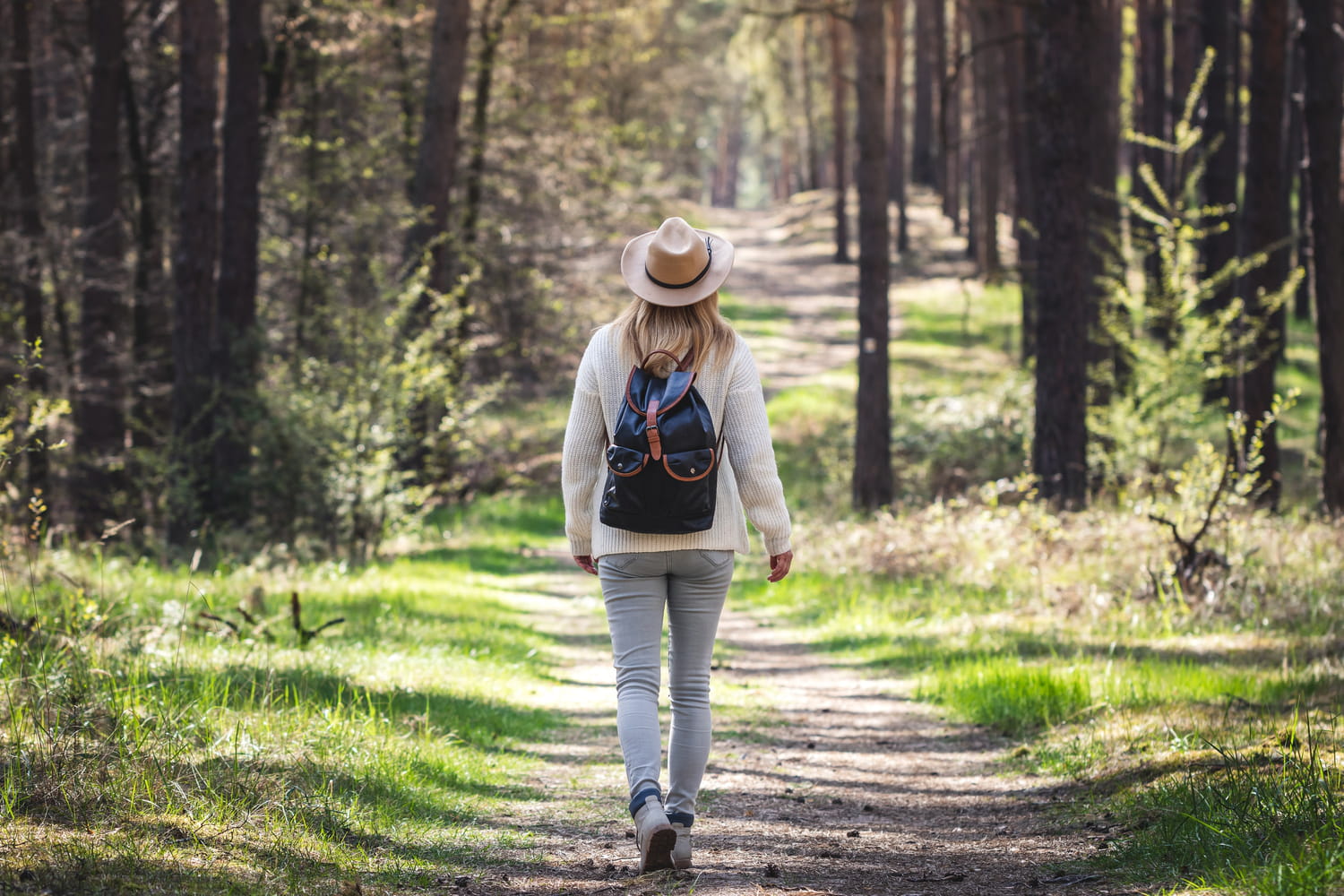
For an optimized walk, the pace must be moderate without ever being out of breath, that is to say a comfortable walk where you are able to hold a conversation. The goal is to gently mobilize the body without diverting too much blood from the stomach to the muscles, which could inhibit digestion. The gastroenterologist insists: “regularity is always better than intensity“. Try walking after lunch and/or after dinner to ingrain this habit as one of the most profitable for your gut and metabolic health. In the long term, this simple post-meal routine improves your triglycerides (blood fats), your waistline and, according to Dr. Sethi, contributes to better sleep by stabilizing nighttime blood sugar and preventing reflux.