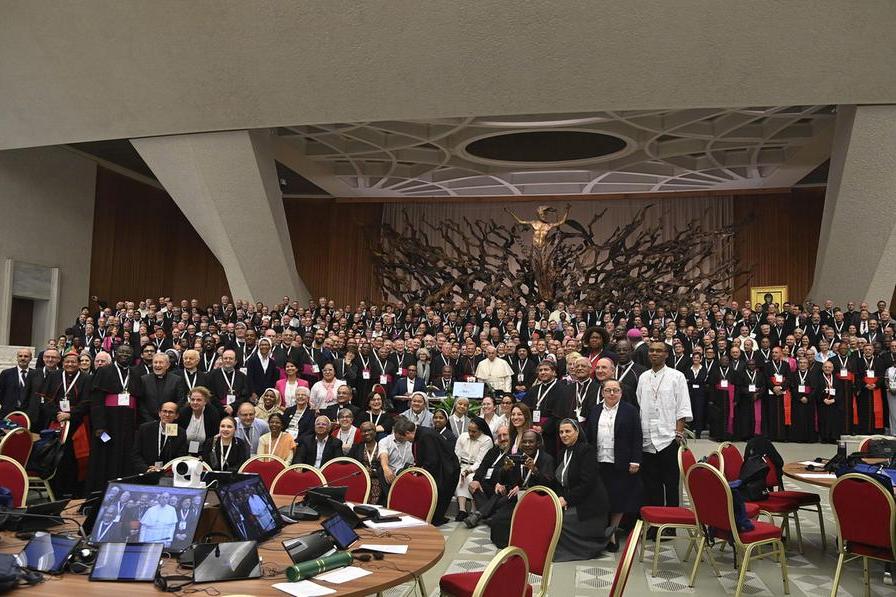
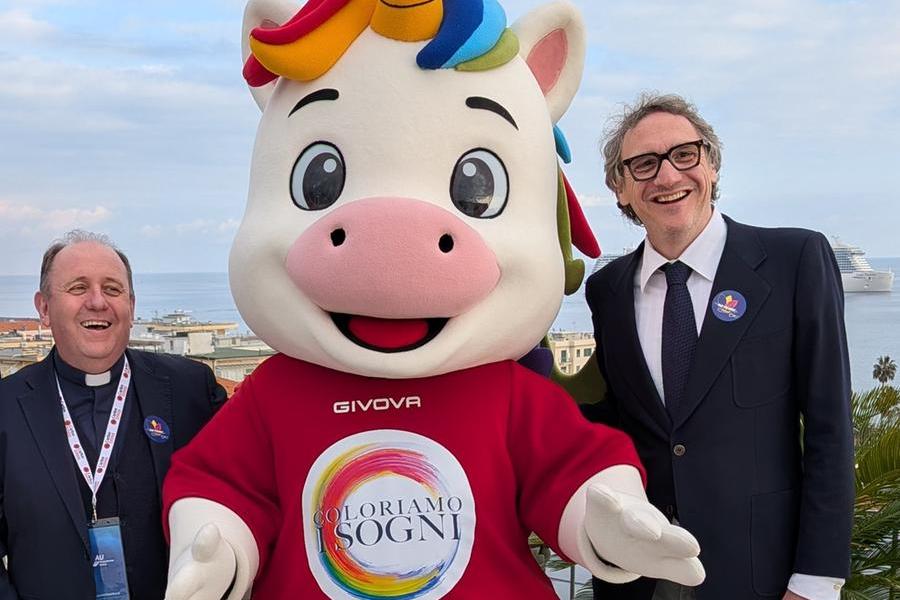


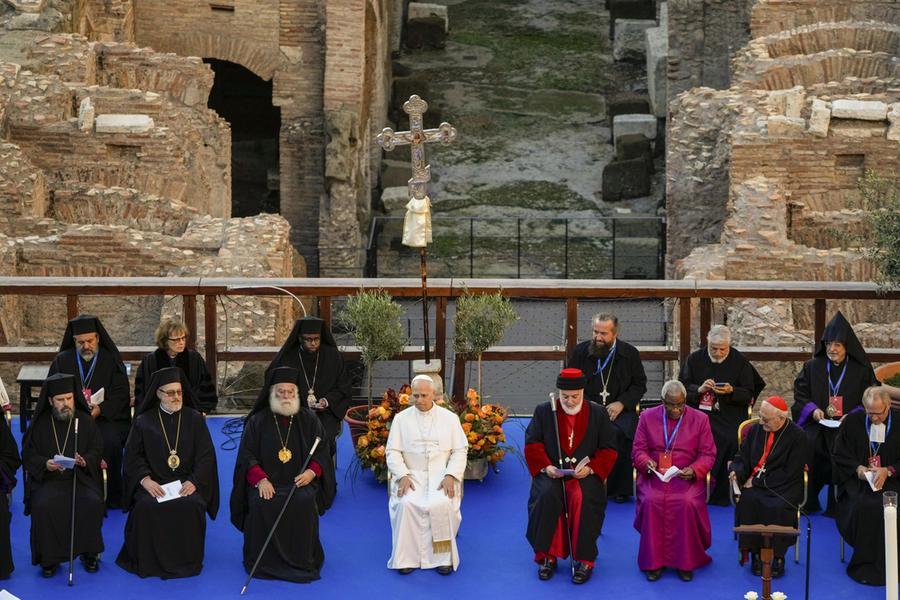
The first Symposium of Christian Churches present in Italy will be held in Bari on 23 and 24 January, at the conclusion of the Week of Prayer for Christian Unity. This is an important milestone for Italian ecumenism and for the Week, whose theme this year is “The body is one, the Spirit is one, just as the hope to which God has called you is one”, taken from chapter 4 of Saint Paul’s Letter to the Ephesians.
But this appointment, which will be concluded by Pope Leo with the celebration of the Second Vespers of the Solemnity of the Conversion of Saint Paul the Apostle on 25 January at 5.30 pm in the Basilica of Saint Paul Outside the Walls, it is also a starting point: there are many expectations for the growth of fraternity and the common commitment of Christians in Italy: Catholics, Protestants and Orthodox. For the occasion we have collected three significant testimonies on the meaning of this event and on the ecumenical journey.
The bishop of Pinerolo Derio Olivero: «Ecumenism is not a secondary theme»
“It is no longer marginal, but is a driving force towards a non-self-centered Church”, the fruit of “years, of days spent together, of built and shared fraternity, but there is still a lot of work to do”, he explains Monsignor Derio Olivero, president of the CEI commission for ecumenism and interreligious dialogue«we must get together as Christian Churches to build social cohesion, to say Christianity in a post-Christian Europe, and with other religions to say the contribution of the religious phenomenon in a no longer religious society».
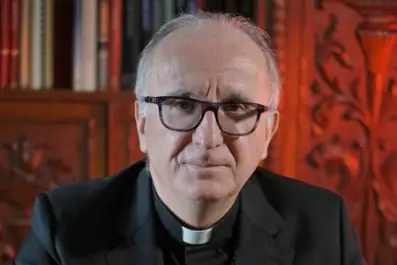
This is the challenge that the CEI has also taken up by planning for the first time a general assembly entirely dedicated to ecumenism and prepared with the synodal method; each diocese must answer four questions: dialogical form of the Church; speak together about Christianity in the diversity of confessions; Churches and religions in public space; what type of secularism in Italy. The answers are arriving and the process is making people’s ecumenism grow: «Despite the many documents and all the magisterium”, says Olivero, “it cannot be said that all Catholics are open to ecumenism and dialogue, there is a lot of work to be done, and I hope that the Week will be a stimulus to form in Catholics a serious openness to dialogue with brothers and sisters of other confessions.” The bishops work on this change of perspective, so that ecumenism is not just a secondary theme but helps the Church to change: «Society is secularized, there is religious and social pluralism, and the big question is increasingly being able to dialogue with this world», we run the «great risk of being self-centered: of organizing and reorganizing, and of being depressed: we have few forces, few priests and so we are attentive to ourselves and attention to the outside is reduced, which is limited to Caritas. CAs Pierangelo Sequeri said well: lots of morality, little community and zero culture, this is the great risk.” We are not starting from scratch, there is a new way of being together: the defense by Catholics of the imam of Turin who received an expulsion order for the opinions expressed during a pro-Palestine rally «is a sign», Olivero underlines, «that having dialogued bears fruit, if the dialogue is maintained even when there are frictions or unshared opinions. We must be generative and capable of building social cohesion». The first Symposium of the Christian Churches in Italy will be held in Bari «and we are already working on a declaration of intent between the Churches»: ecumenism «becomes a new way of being in the public space and as he wrote Tomas Halik : “We will only be able to get closer to Christian unity if our mutual unity is not an ultimate goal”».
The Waldensian shepherd Maria Bonafede: «My faith was born in a mixed family»
Maria Bonafede, Waldensian pastor and first woman to hold the position of moderator of the Table, comes from a family of two different Christian confessions.
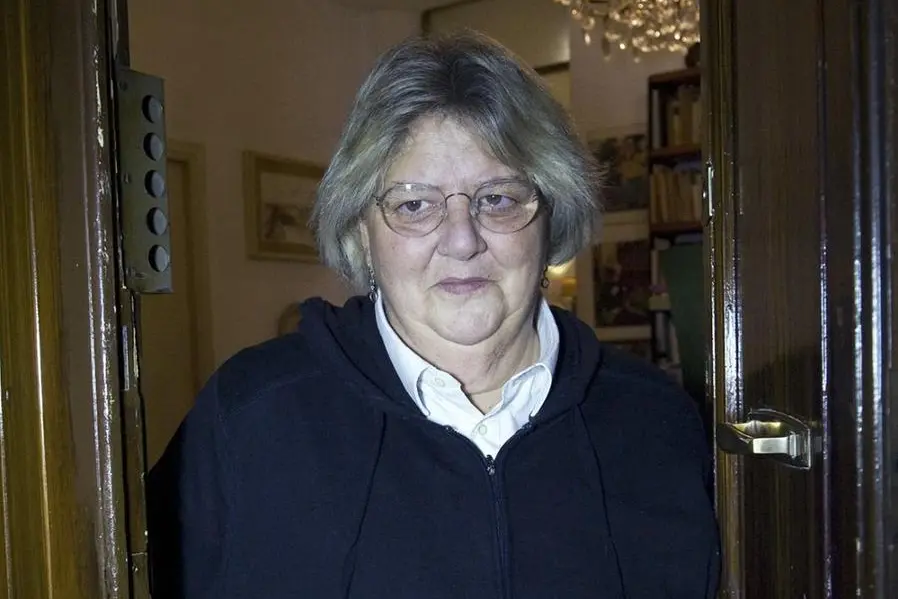
«My father», he says, «was Catholic without great passion for active participation in his church, but a sincere believer, and my mother was Waldensian, also sincere: we always talked about everything, we never felt we were under the umbrella of the Churches. We children went to the church of the person who participated the most, and it was my mother: the Waldensian one was the church where I went, where every now and then my dad accompanied us for worship or for catechism; I remember that sometimes he left us in church and took the dog to the garden and we protested that we had to do catechism while he went for a walk.” “It was always a peaceful thing, there was never a division,” concludes the shepherd, “there was their initial decision, then everyone took their own path, I was a shepherd, my brothers did other things, but always with freedom, in our house there was a lot of freedom of thought. When after Philosophy at the University of Milan I enrolled in Theology in Rome, dad told me “but you have to graduate”: he wanted me to also complete my secular studies; unfortunately, he passed away early, when I was finishing Theology; there has never been any disappointment, they have always followed us in our various choices, with participation, without influencing us”.
The Orthodox priest Lazzaro Lenzi: «Ecumenism is a common research, not syncretism»
Lazzaro Lenzi, 64 years old, has been an Orthodox priest in Brescia for 7 years, called by the bishop when he taught at a Catholic university: «I could also have refused and to accept I had to speak to my wife: it is an unthinkable choice in the Latin world, where there is celibacy; the Orthodox priest is in a parish led by lay people, ours is led by a woman; it is he who serves at the altar, there is no idea of consecration “in persona Christi”».
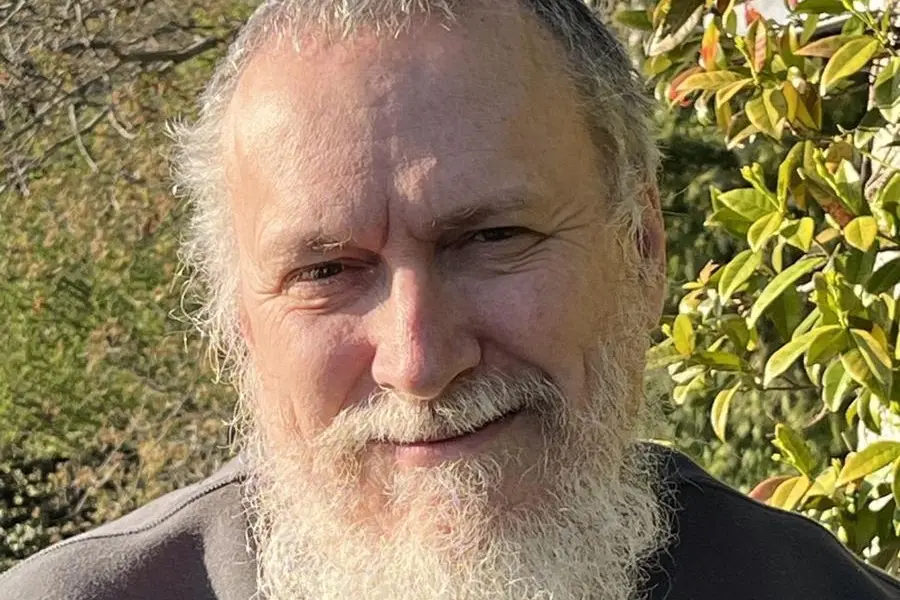
Father Lazzaro is connected to the Moscow Patriarchate through the diocese of Paris, «somewhat autonomous in the Patriarchate. We have good ecumenical relations, sometimes we attract criticism: not for all Orthodox ecumenism is a value, for example the monks of Mount Athos ask not to pray with “heretics”. Three or four Catholics asked to come to us because they couldn’t stand Pope Francis, considering him an “open-minded” who had abandoned the true faith: they were looking for a supplement of strong identity and we respectfully sent them back. The search for strong identities typical of weak identities prevents dialogue: ecumenism is that of common research, of charity, certainly not that of syncretism, of “anything goes”is seeking the unity that the Lord himself desired and requires a very strong theological commitment.”
Father Lazzaro was a lay Catholic, who became Orthodox 15 years ago: «After meeting the monks of a monastery in the Judean desert I understood that it was a Christian form in which I could feel better, it wasn’t a choice “against”, on the contrary, I will be grateful for my whole life to the Church which announced the Gospel to me first”.