






Pointed out by researchers in a study published in the Journal of Hypertension, this ingredient promotes oxidative stress and inflammation of the walls of blood vessels.
In France, high blood pressure is the number one chronic disease: it today affects 17 million adults (or nearly one in three), around 6 million of whom are unaware that they suffer from it. According to estimates from the French Federation of Cardiology and the WHO, diet is the cause in 80% of cases. Doctors keep repeating it: salt is the enemy of the arteries because it hardens their walls and increases blood pressure. However, a more insidious threat lurks in a seemingly innocuous gesture: crumbling a stock cube. Pillars of French cuisine, these small squares contain a component that is very bad for cardiovascular health.
Pointed out by American and Chinese researchers in a study published in the Journal of Hypertension, this ingredient promotes oxidative stress and inflammation of blood vessel walls. As a result, the arteries stiffen and lose flexibility, forcing the heart to pump harder to circulate blood. And a heart that has to force through rigid vessels mechanically raises blood pressure. In the study, participants who consumed the most this ingredient had a 20% greater risk of becoming hypertensive within 5 years compared to those who did not consume it. The researchers thus observed that the risk of hypertension became significant from a consumption of approximately one and a half broth cubes per day.
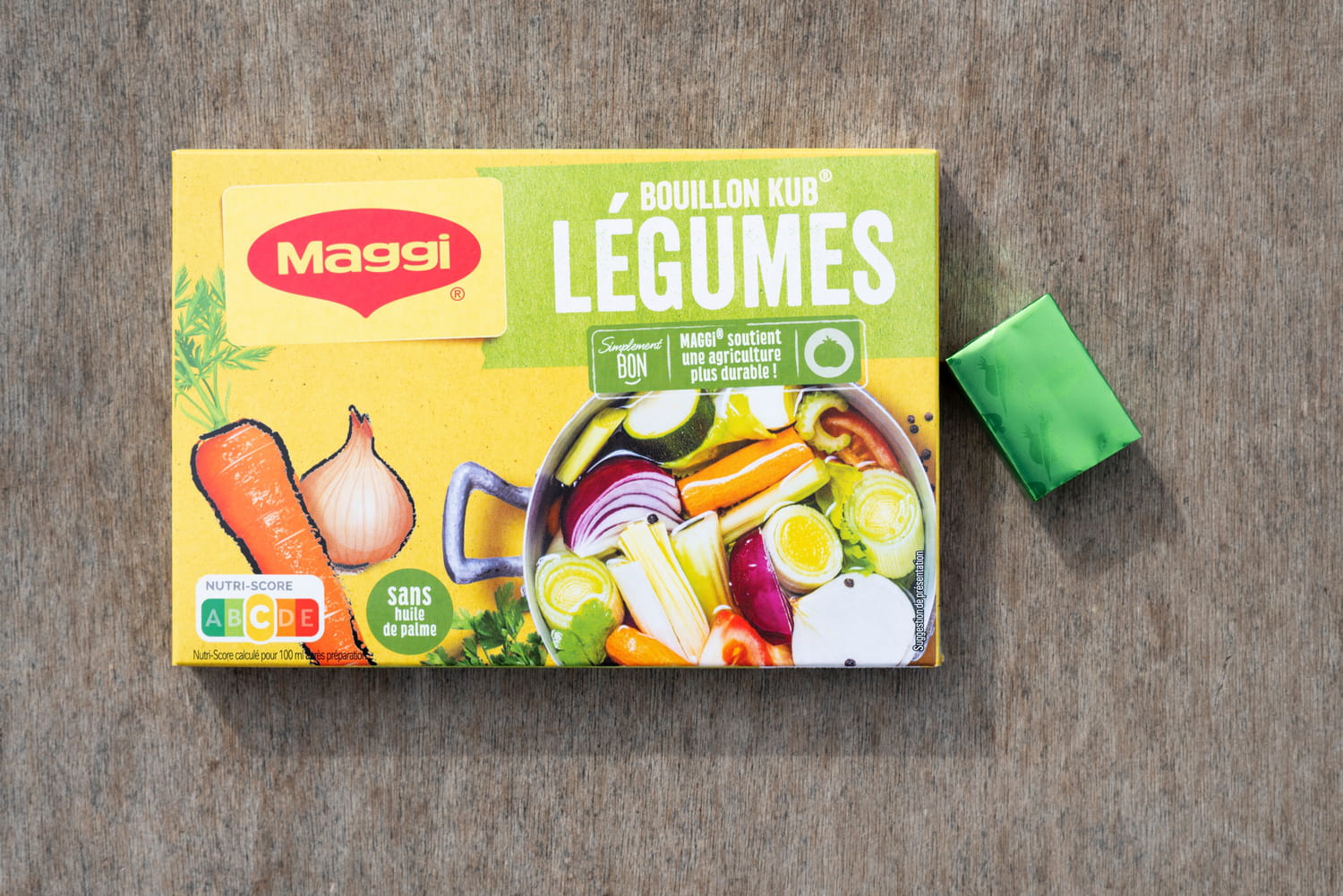
This problematic ingredient has a name well known to scientists: glutamate. A flavor enhancer appears in the list of ingredients of many stock cubes (but also in soy sauce, vacuum-packed hams, barbecue-flavored chips or surimi) under multiple names: “E621” or “hydrolyzed vegetable proteins”. Essential references such as KUB OR from Maggi, the classic ranges from Knorr, the stock cubes from distributor brands (Carrefour, Leclerc, Auchan) massively use glutamate as a basic ingredient to guarantee a pronounced taste at a lower cost. The healthiest solution remains to favor broths certified without additives (organic broths – Jardin Bio, Danival, Rapunzel – or the “Pur Bouillon” or “No Additives” ranges from Knorr or Maggi) or to make your own homemade sauce based on herbs and spices.
Unlike salt that can be measured with your fingertips, glutamate is a synthetic molecule that is often hidden. While the body has mechanisms to eliminate a slight excess of salt, the biochemical assault caused by glutamate on the endothelium (the inner layer of the vessels) seems more persistent. In other words, even if you never add salt to your plate, the simple use of these broths is enough to keep the arteries under constant “silent pressure”.
3 months is the time it takes for the taste buds to get used to the too salty taste or glutamate. After this time, you will find industrial broths much too strong and will finally appreciate the subtlety of natural spices. Good to know: potassium, in moderate quantities, is beneficial for blood pressure: it helps the kidneys eliminate excess salt and relaxes the walls of the blood vessels. It is found in bananas, avocados, spinach and (steamed) potatoes. Physical activity promotes flexibility in the arteries.