




Of a subgroup of 35 carts studied precisely, half contained the bacteria Escherichia coli. More than in toilets… Diarrhea, abdominal cramps, nausea… This bacteria can contaminate a person and make them sick.
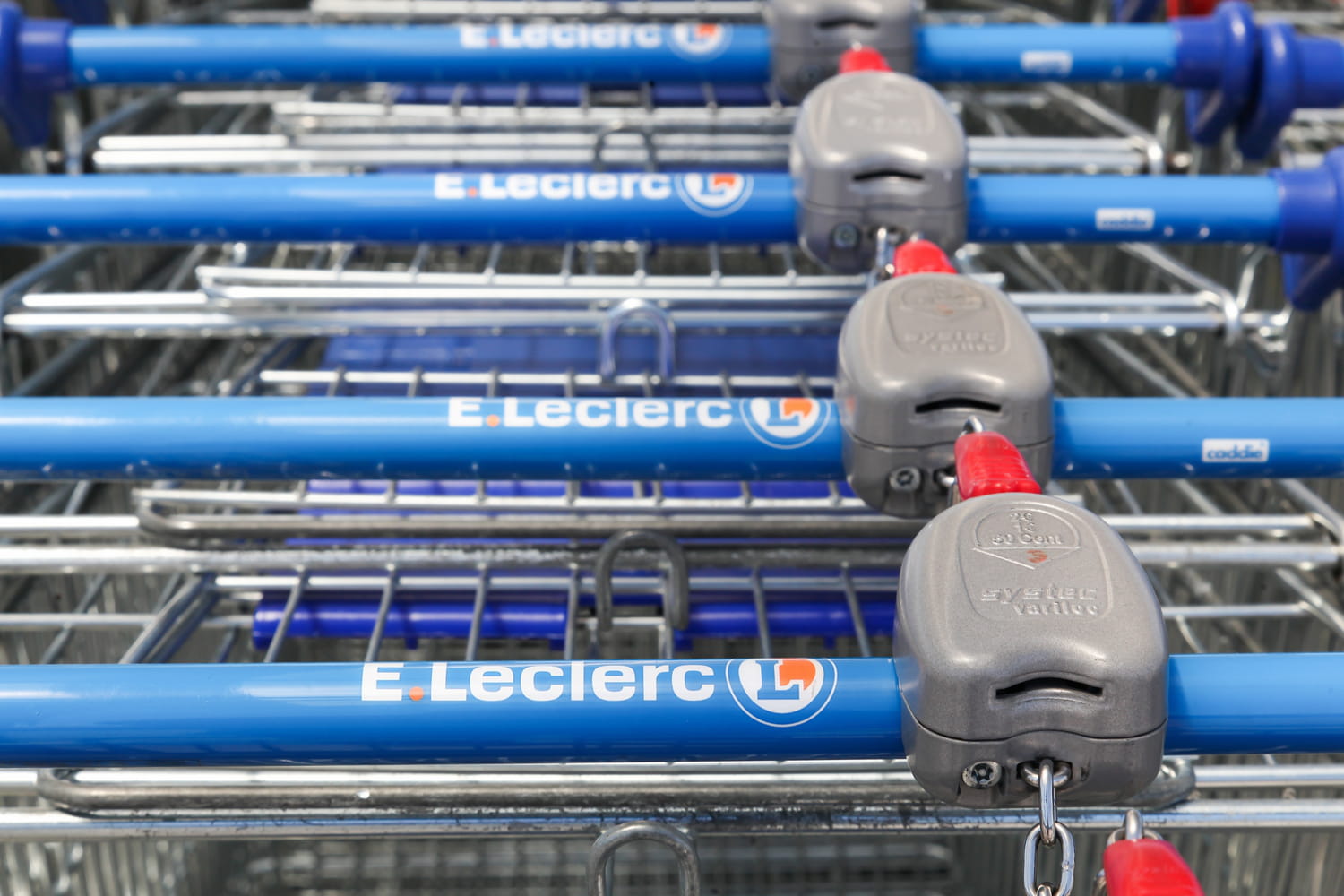
A study conducted by the University of Arizona found that 72% of supermarket carts tested had traces of bacteria of fecal origin. In some cases, the concentration found on the handles was up to 361 times higher than on public toilet handles. The researchers analyzed the most manipulated areas, particularly the handles. Of a subgroup of 35 carts studied more precisely, half contained the bacteria Escherichia coli (E. coli). This bacteria lives naturally in the human and animal intestine. Its presence on an exterior surface indicates fecal contamination, although not all strains are dangerous.
This situation is explained by the way the trolleys are used. They pass from hand to hand all day without being cleaned between two customers. Unlike public toilets, which are regularly disinfected, they do not always benefit from frequent maintenance. During the Covid-19 crisis, protocols were reinforced in many brands. According to testimonies relayed in the media, these practices are much less systematic today.
Bacteria deposited on surfaces can survive for several hours, sometimes longer depending on conditions. The more a handful is handled, the more they accumulate and are passed from one customer to another. The presence of E. coli does not automatically mean danger. The main risk remains digestive: diarrhea, abdominal cramps or nausea. In a healthy person, these disorders are generally mild. On the other hand, young children, pregnant women, the elderly or immunocompromised people may be more vulnerable.
Touching a contaminated handle is not enough to trigger an infection. Bacteria usually need to be brought to the mouth, for example by touching your face or handling food without washing your hands. Actions to avoid as much as possible when shopping. Shopping carts are not the only surfaces affected in supermarkets. Touch screens, scales or refrigerator handles are also manipulated a lot. As in transport or public places, hands remain one of the main vectors of transmission of digestive infections.
These data should not cause undue concern. Bacteria are part of our daily environment. The authors of the study, however, suggest improving the cleaning of shopping carts to limit transmission between customers. This is true in the United States where the analysis was carried out and in other countries such as France where carts pass from hand to hand in the same way. As an individual, a few simple actions can reduce contamination: using hydroalcoholic gel at the entrance to the store, avoiding putting your hands on your face while shopping and washing your hands thoroughly upon returning. Simple, but effective reflexes to limit risks.