




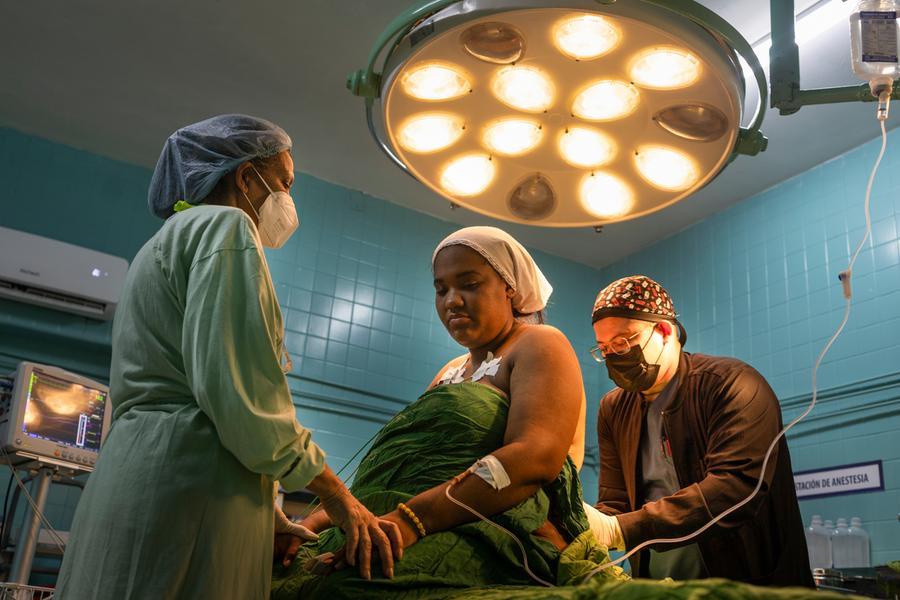
“We are the ones who have to be the ones responsible for the children” – says the specialist in general medicine and neonatalology Niurka Morán Obregónand continues: «every time there is a blackout in electricity, the generator, which is already old, starts working no earlier than ten seconds; and this long wait scares us, worries us, makes us feel helpless.”
When the doctor manages to send us these very few lines from the Hospital Gynecobstétrico teacher “Ramón Gonzáles Coro” of Havana his voice is dejected and alarmed, and he apologizes to us because he cannot dedicate any more time to it, given the dramatic emergency he finds himself in. While he answers us, a newborn’s voice bursts through the phone with all its desire for life.
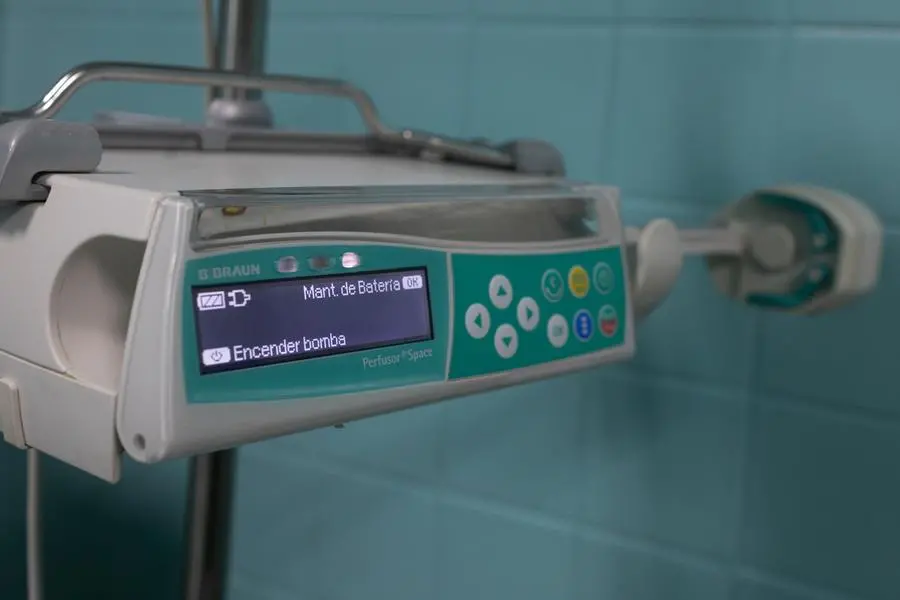
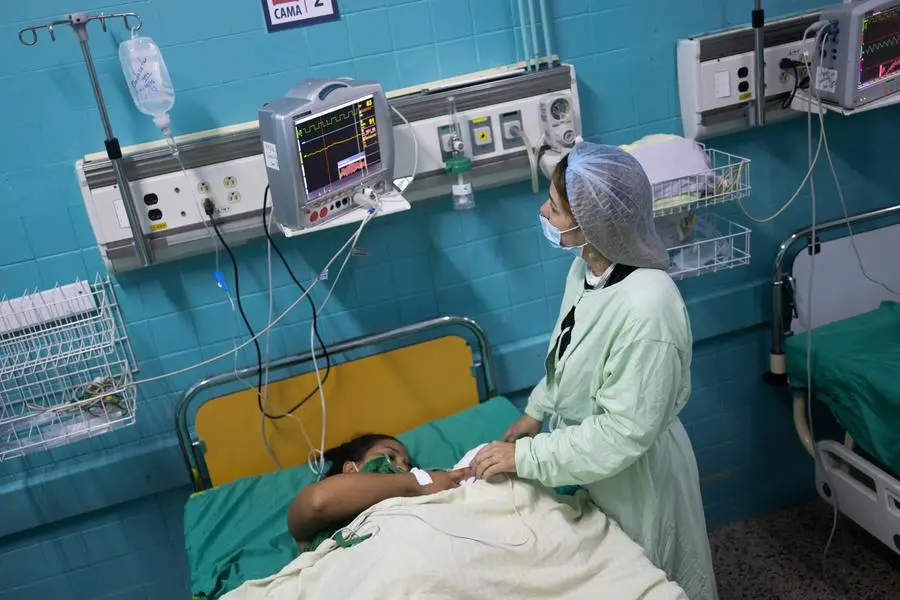
Also Diego, whose surname we do not reveal to respect the privacy of his pain, depends on the tic that signals the interruption of the electricity. For him, that tic interrupts his chemotherapy session. «Tengo miedo», he says, meaning “I’m afraid”. His mother Licet Rodríguez Alonso enters the conversation and says: «If he doesn’t undergo treatment in hospital, I don’t know how else my son will be able to continue his treatment. His life depends on that care. I have no more solutions, I have no what to do. And I don’t know how to make him feel safe.”
Diego is 19 years old and was diagnosed with cancer when he was 15. At this time, severe complications have arisen for him that require timely treatment that he cannot carry out consistently.
When the power goes out, all hopes and certainties go with it. And if he goes away during a surgical operation, he also operates with telephone flashlights. These are just some of the dramatic stories that Cuba experiences today.
After sixty years of economic blockade approved by John F. Kennedy on the basis of the trade restrictions enacted by General Eisenhower in 1960, a devastating measure declared illegal by the United Nations already in 1992, the President of the United States of America Donald Trump has decided to inhumanely tighten the sanctions that have led the small Caribbean island to survival over these long years. The president had already promised, after the air attack on Caracas and the kidnapping of Nicolas Maduro, that his next target would be Cuba along with other states that apparently stopped his rampage.
The new duties imposed on January 29th affect the island indirectly because in reality they fall on the countries that decide to deal economically with Cuba, shipping crude oil or petroleum products, iron, steel, aluminum, chemicals, pharmaceuticals and semiconductors.
The order issued by the US government also confirms Cuba’s presence on the list of terrorist states for 2026, and this entails the request for a specific visa to enter the United States if you have visited the country. Automatically, tourism is discouraged.
«The truth is that the United States is killing us slowly, while bombs have been falling on Gaza for eighty years, A deadly system has been studied and planned in Cuba that has been going on for sixty years. In one way or another, they killed us mentally and also physically because if we get sick there is no other way than death, at present”, a former diplomat who lives in the capital tells us.
The Cuban government once again adapts to resist Trump’s blackmail by applying an emergency plan which provides for the rationing of fuel for both transport and electricity. The measures concern: the closure of schools of all levels which guarantee lessons in DAD, of offices for three days a week and of companies which have been asked to concentrate production in the smallest number of days possible to save electricity and transport, therefore fuel.
The countryside “Let Cuba Breathe”, launched by AICEC, the cultural and economic exchange agency with Cuba – founded in Turin in 2015 to collaborate with various entities present on the island – has the aim of give a voice to the Cuban people who for the umpteenth time find themselves having to suffer the economic isolation imposed by the United States of America.
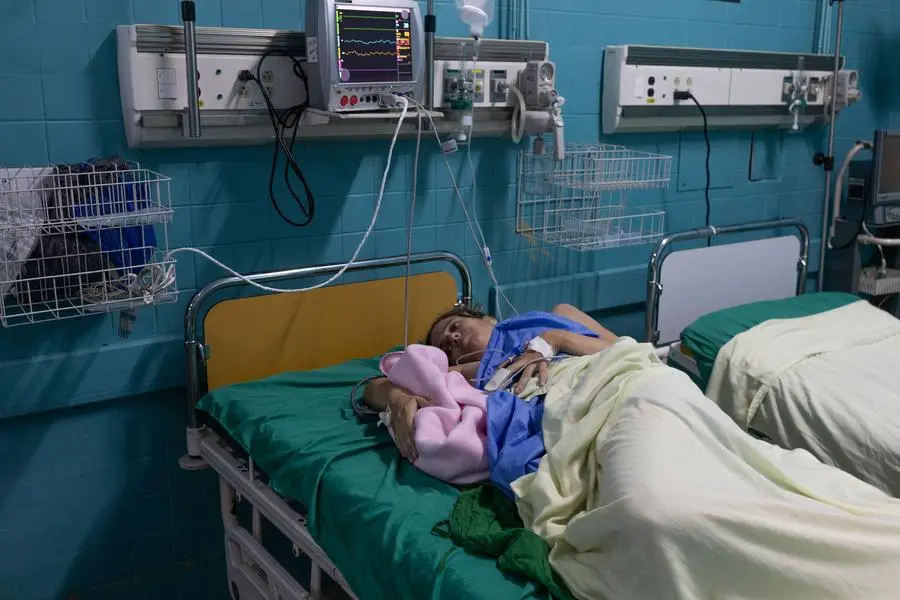
«It is a repeated collective punishment, it is a collective strangulation. They are trying to bend an entire population with a true act of state terrorism and slow and cruel genocide”, says a spokesperson for AICEC and adds: “we have launched a communication campaign to try to show what are the consequences, especially in places where there is more fragility, of the latest US sanctions which have been added to those already existing. This is just the beginning, indeed it is the continuation of a strangulation that has always been there. We visited cancer patients and witnessed surgeries to document the total absence of resources that everyone on the island is dealing with. However, those who pay the greatest costs are the children.”
Let Cuba Breathe is an international call for communications workers, journalists and all those who want to unite and make a collective appeal to President Trump asking him to “let Cuba breathe”, which also means recognizing the right of a people to self-determination.