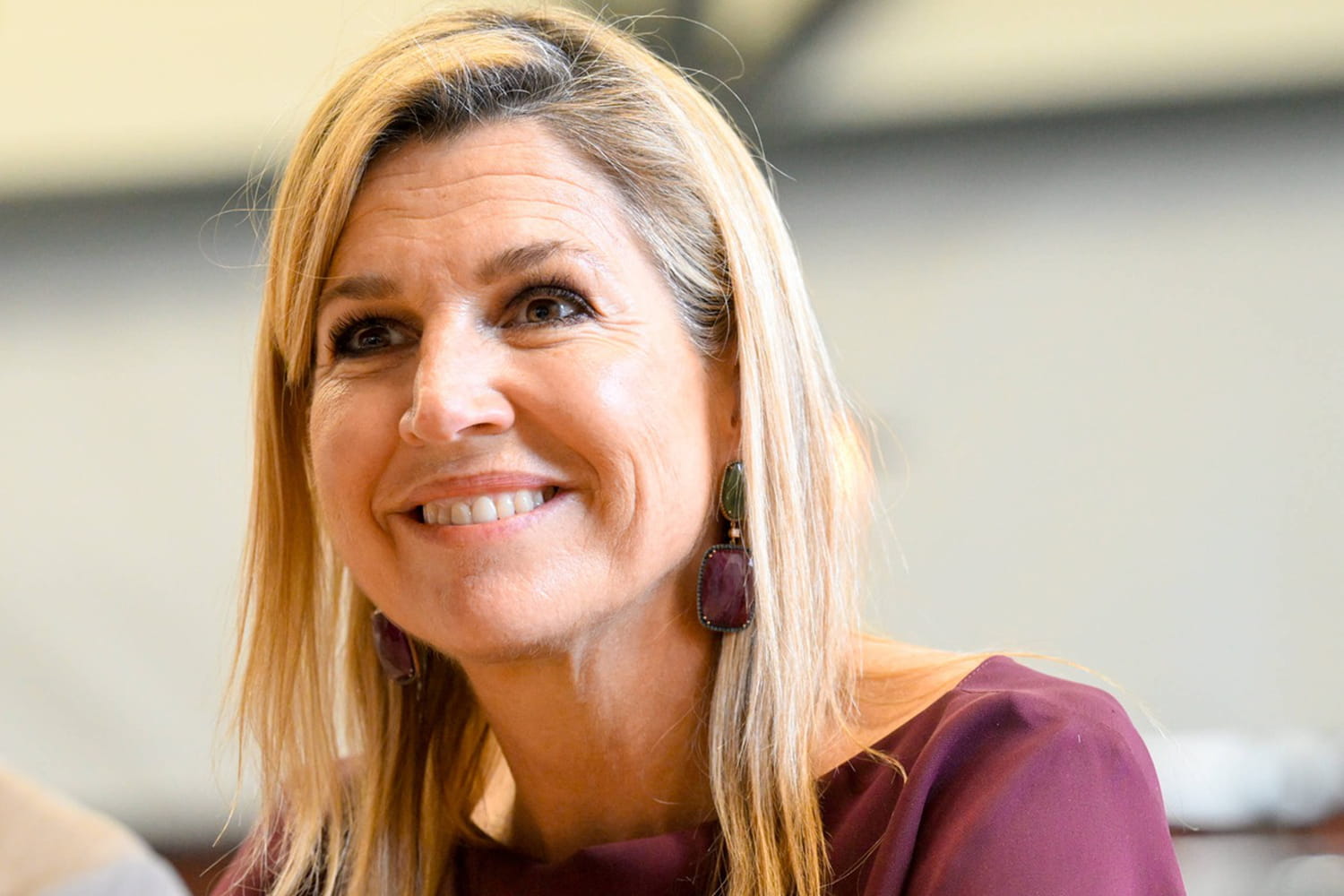





Menopause often means hair loss and less thick hair mass.
Menopause comes with its share of inconveniences. Among them, more significant hair loss. If we have long thought that loss of density was an inevitability reserved for men, the reality is quite different and affects around 40% of women over time. “For women, progressive changes like a widening of the parting or loss of density can be profoundly devastating. This is not a rare problem: it is a common medical condition that deserves informed and compassionate care.“, explains Dr Ophelia Veraitch, dermatologist, to the British media The Mirror.
But then, what really happens to our scalp after a certain point? If you have noticed that your ponytail is thinning or that your hair is becoming more fragile, know that this phenomenon, far from being a simple sign of age, hides very precise biological mechanisms that experts are finally starting to decipher to help us regain dream mane. The first reason is obviously hormonal. The ovaries produce less estrogen, which reduces the phase of hair growth called the anagen phase. The density of our mane then changes, but “most women don’t realize it until they have lost at least 50% of their hair mass“, assures Mark Blake, trichologist, still in the English newspaper. The second reason? Androgenetic alopecia. In this case, hormones and a genetic condition cause a shrinkage of the hair follicles, producing increasingly thin hair until it no longer grows at all.
Stress, lack of sleep, poor diet or recent illnesses disrupt the natural hair cycle. Experts point out that the condition of our hair today reflects our health 6 to 12 months ago. Obviously the previous lines can be scary. But age-related hair loss is not inevitable. By identifying the cause (hormonal, genetic, nutritional, stress, etc.), it is possible to find a suitable treatment. The important thing? Act at the first signs to slow down this phenomenon.
Over-the-counter treatments can also give a little help: products for the scalp, which will boost and strengthen the fiber, food supplements, or even LED masks for the scalp. These will stimulate the hair follicles, act on the thickness of the hair, but also stimulate blood circulation. The key? A thicker, stronger mane. On the other hand, you must be patient since with the treatments, whether medical or not, the results will be visible between three and six months.