




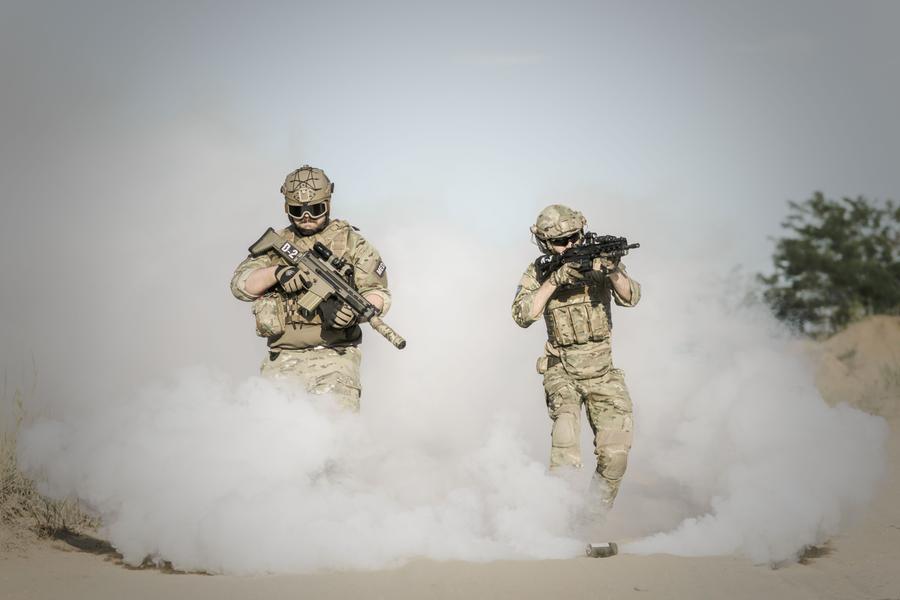
Today there are around 60 wars and hundreds of conflicts taking place in the world.
We live in a time where war is no longer far away. It’s not just in the history books… it’s in the images that flow before our eyes every day.
And then the question becomes inevitable: can peace really be built? Or is it just a dream, as Mandela said? But perhaps the deeper question is another: peace… where does it begin? Because we always think of peace between peoples, between nations, between armies. But we rarely stop to ask ourselves: am I… at peace? Because inside each of us there are conflicts, wounds, fears, unresolved anger. And as long as the war remains inside, it inevitably comes out.
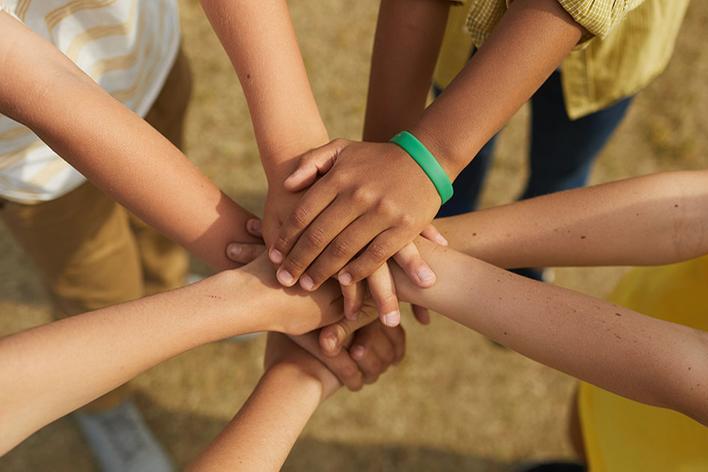
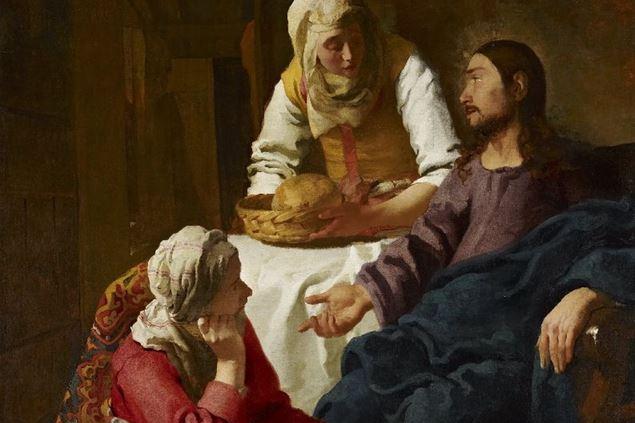
This is why the Gospel is so striking, when Jesus says: “Blessed are the peacemakers, for they will be called children of God”. Jesus links this beatitude with a promise, perhaps in this case a revelation: “they will be called children of God”. Not a random promise. If we are peacemakers, we reveal ourselves as authentic children of God. If we truly live as children of God, we conceive of ourselves – quoting Saint Francis – as “brothers all”. Rather than conceiving of ourselves as different by race or culture, we think of ourselves as all children of one Father, brothers among us and part of the one human family. However, Jesus does not use poetic words, but very concrete ones. He does not say: blessed are those who speak of peace. He does not say: blessed are those who desire it. It says: peacemakers. That is, people who build it. Which generate it. Which take her to the concrete places of life. And this is incredible, because it means that peace is not an idea or an ideal. It’s a choice. Something that is effectively built. A choice that passes through small gestures: a word that doesn’t hurt, a forgiveness that breaks a chain, a presence that doesn’t leave those who suffer alone.
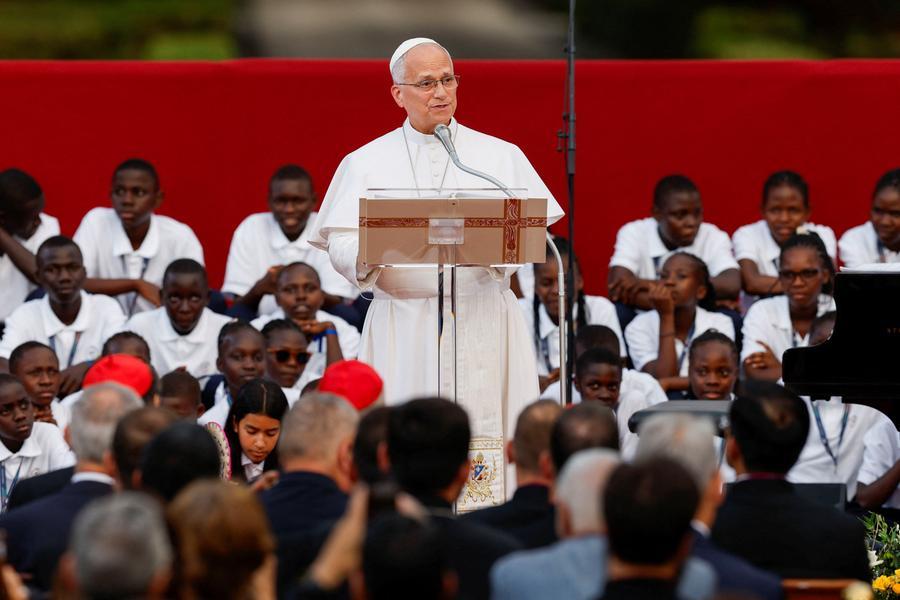
Pope Francis invited us to overcome the globalization of indifference: faced with the images of distant wars and those who suffer next to us, we are called not to look the other way. Pope Leo invites us to disarm our words and hearts.
The Word of God gives us lots of advice to be peacemakers. I’ll take two, concrete ones.
The first. “Overcome evil with good”. Every time we are attacked we don’t respond with the same coin, we break the vicious cycles of violence right away. Let us not allow ourselves to be carried away by an anger that turns into hatred and resentment. Let us overcome evil with good, as Jesus did.
And then, peace, true peace, is a fruit of the Holy Spirit; it is the gift of the risen Jesus in the Upper Room: to the frightened, lost disciples, crushed by anguish and bewilderment, Jesus says: “Peace be with you”. Let’s stop, let’s let Jesus enter the Cenacle of our heart, every day and above all in every moment in which we perceive an internal conflict, let’s let that “Peace be to you” reach our heart.
Perhaps peace does not begin in large international agreements, even though there is a real need for it, but it begins in the heart. It begins when someone decides not to respond to evil with evil. Not to fuel the conflict.
The question to carry within ourselves is this: am I contributing to peace… or, without realizing it, am I fueling some war? Because peace is not something we wait for… it is something we choose. And the world really changes when someone, even alone, decides to disarm their heart.