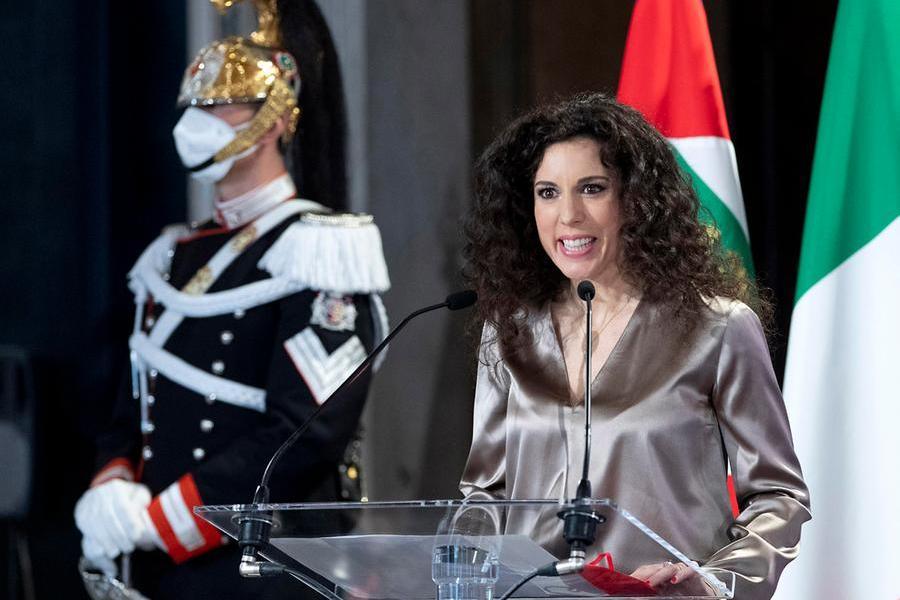





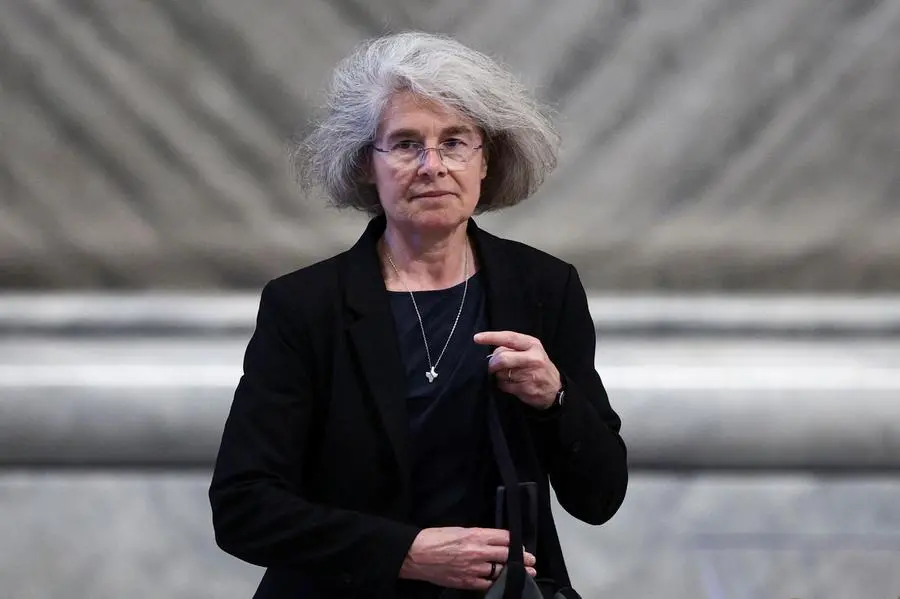
For a few months the Swiss guard has no longer been stationed along the stairs of the building, the condominium owner dressed in white has moved. «He was a discreet, simple, friendly neighbor»: Sister Nathalie Becquart, undersecretary at the Secretariat of the Synodlives in the building in Piazza Sant’Office, mainly occupied by the offices of the Dicastery for the doctrine of the faith.
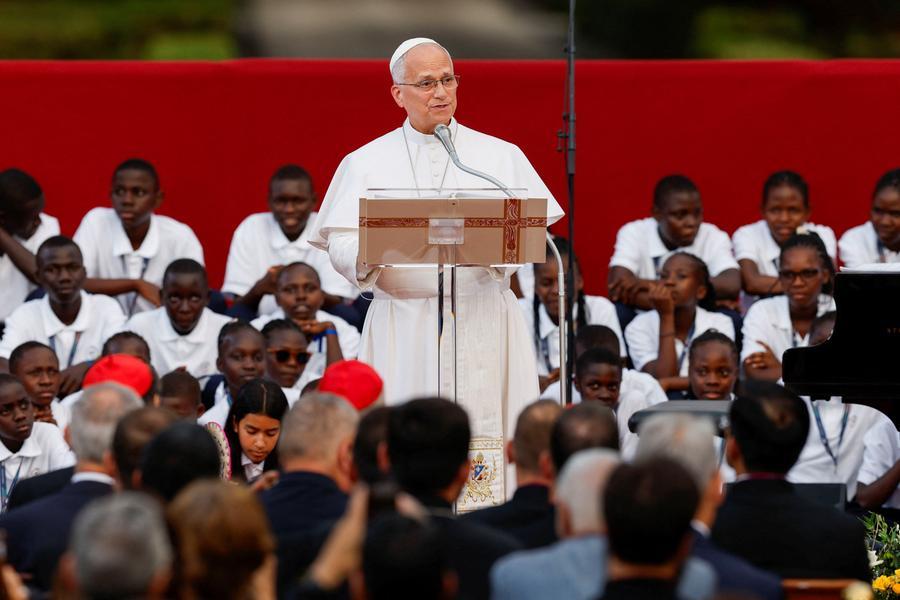
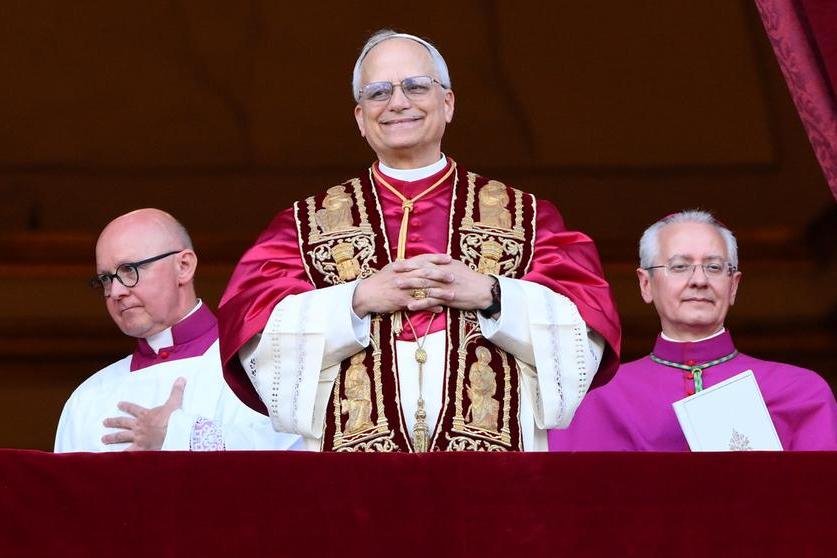
Leo XIV lived in one of the approximately twenty apartments intended to accommodate those who work in the Vatican, first as Prefect of the bishops then as Pope, until the home in the Apostolic Palace was prepared. A photo shows him, a year ago, immediately after the election, returning home, surrounded by his neighbors in celebration.
Beyond the greetings and chatter exchanged on the stairs, Becquart had the opportunity to meet Robert Prevost because of his work at the Synod.
After a year, what do you think are the keys to understanding this pontificate?
«The first key to understanding is to be consistent with his statements. When he was elected, the Lodge said “peace be with you”, and a year later we see that this is his line. The priority mission of the Church in this world today is to serve, build and proclaim peace. Say it’s possible. And for peace we need unity, reconciliation, communion. And of synodality, which is not uniformity, but the conviction that peace is a gift of the risen Christ, and is the only possible path. It is a message that clearly emerged from the trip to Africa. Furthermore, those who meet Leo feel that he has a profound inner peace, which is the fruit of his spirituality. This is the second key to understanding: he is an Augustinian religious, a man of prayer and it shows. And then he was a missionary and this shaped him. Going to live the mission in another country, another culture, another language, with very different people, also made him take a very strong internal journey. It is a transformative experience, a spiritual, human and also ecclesial journey. Even when he became Pope he said “I have to learn”. And he immediately entered into his role, with simplicity, but also allowing himself to be transformed. He is a man who has spent his entire life going through many different responsibilities. He was bishop, provincial and superior general. In Rome for 12 years and then later, as prefect of bishops. He has a missionary soul that leads him to go out, to meet people, the local Churches.”
What is your governing style?
«He is a synodal Pope, this is the style of his leadership, he is a man of listening, of consultation. He is fascinated by the ecclesiological vision of the Second Vatican Council, which he placed at the center of the Wednesday catecheses. Synodality and Vatican II”.
She was in Algeria for her ministry. What struck you about Leone’s trip to Africa?
«Yes, I know a little about the Church in Algeria, it is a small community in a Muslim world, but it is a Church that walks with others. There were also many Muslims at Pope Leo’s Mass. The Pope was touched, and expressed it: his vision is not of a Church of power, but a Church of brotherhood, humble, which proclaims the Gospel, a Church in dialogue.”
How is the relationship with episcopates around the world?
«When he became Pope he had already visited more or less 50 countries, as superior general and as Prefect. At the Jubilee of the Synod Teams he spoke with delegates from each continent and his answers showed that he has a true knowledge of the diversity of contexts, cultures and problems of Africa and Asia, which are not the same as those of Europe. He was a bishop and has the soul of a bishop, of a pastor of his people. The bishops have perceived that he has a profound ability to listen.”
What are the differences with Francesco?
«The vision is almost the same, because it is the vision of the Council, which develops little by little. The biggest difference is his personality and his path. Pope Francis came from Argentina, an extroverted man of relationships, he did not have all the experience of the diversity of the world before arriving. Unlike Pope Leo, who is more introverted, he is a canonist, he also has a slightly different mindset, and he needs time for himself, every week he goes to Castelgandolfo from Monday evening to Tuesday evening. It is not a discontinuity, but each Pope has his own personality. It is the same Spirit that continues to work among the popes, there is continuity with evolution.”
And how is the relationship with the Curia?
«Leone had experience of the Curia, unlike Francis. At Christmas, Leone said that the Curia is not just a place to work, it is also the possibility of living like a family. On the other hand, Augustinian spirituality emphasizes the dimension of community. For Leone, the Curia is not just an administrative institution, but it is a Christian community where we must also be brothers and sisters in Christ.”
What are the issues that are closest to this Pope’s heart?
«Training in general and spiritual training for the mission. And then the theme of ecology, as he said on the occasion of the 10th anniversary of Laudato Si’. It is the dimension of integral ecology, which is also listening to the cry of the poor, the cry of the earth.”
And the topic of women?
«In the study groups at the Synod he had no problems interacting and working with women. I would like to point out that he is the first Pope who studied theology, when he was a young Augustinian, at the Catholic Theological Union in Chicago, which at the time already had nuns as theology teachers. He is the first Pope who also received training after the Council, when women began to teach. The topic of youth education is also very important for him, and digital culture, artificial intelligence. And then the social doctrine of the Church, as demonstrated by the name that was chosen, linked to Leo XIII, author of the “Rerum Novarum””.
He is a gentle man but on the issue of peace, at this moment, he has become a world leader…
«He is a figure that corresponds to the desire of many, many people in the world, people have the desire for peace. The Church and the world need this type of Pope, prudent but who announces the Gospel of peace with courage and freedom.”