






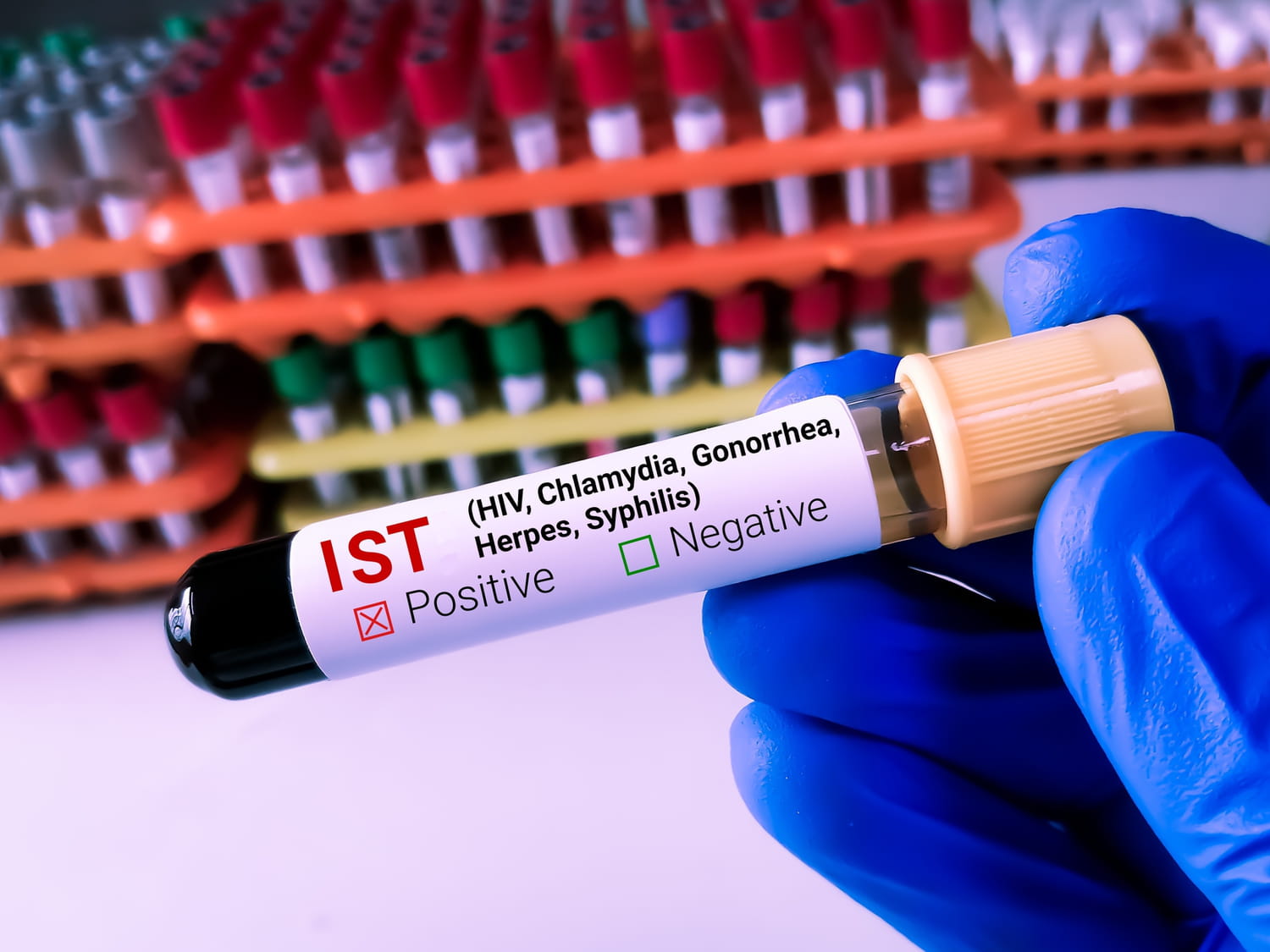
A new sexually transmitted infection has been detected in several people in large European cities such as Paris, Lyon and Barcelona. The symptoms are cutaneous.
Alongside the hantavirus epidemic, a major medical discovery puts European health authorities on alert. Researchers from the Vall d’Hebron University Hospital in Barcelona have just highlighted the unprecedented spread in Europe of an unusual sexually transmitted infection (STI). After the appearance of a first outbreak of 9 cases identified in Catalonia, the disease has now crossed borders. According to a press release from the laboratory, several cases have just been detected in France, precisely in Paris and Lyon, as well as in Germany. According to Spanish infectious disease specialists, most of those affected are men who have had sexual relations with other men, particularly in humid places such as saunas, a few days before the first signs appear.
This infection is believed to be related to an emerging strain of dermatophilosis (Dermatophilus). Until now, this disease (zoonosis) was almost exclusively observed in animals living in tropical or humid areas (such as horses, goats or cows) and had practically never been seen in humans, except in very close contact with an animal (exceptional cases). To explain this jump in humans, genetic analyzes show that it is a new species of bacteria having mutated to develop a unique capacity to be transmitted directly between humans, a phenomenon favored by globalization and climate change. Should we therefore panic? The experts want to be reassuring: although it is necessary to closely monitor the chains of transmission, the situation remains under control and no serious cases have been reported to date.
According to the researchers’ study published in Emerging Infectious Diseases, the symptoms remain moderate and are mainly cutaneous. Patients develop superficial lesions, small pimples, irritations or pus-filled blisters that eventually burst and form yellowish or brownish crusts. These signs are mainly located where close physical contact has taken place: on the genitals, the pubis, the anal area or the beard.
On the contagion side, the mode of transmission is now proven: it occurs sexually during intimate skin-to-skin contact, with heat and humidity (like that of saunas) greatly facilitating the passage of the bacteria from one partner to another.
The authorities point out that prevention remains essential. The use of condoms during sexual intercourse is strongly recommended to block transmission. If pimples or suspicious crusts appear on the affected areas, it is crucial to consult a doctor or screening center quickly. Fortunately, treatment is simple and effective: the bacteria responds very well to classic antibiotics, combined with rigorous antiseptic cleaning which allows rapid and uncomplicated healing.