




These foods can be slipped into your salads or as snacks at the moment.
What are we going to eat tonight? The eternal question of the moment. And above all, what can we eat without heating anything and to refresh ourselves? Among all foods, you should already know that you should limit the sweetest ones when it is hot. First, because sugar worsens dehydration. Then, because the digestion of products rich in sugar and fat (such as ice cream or pastries) requires a colossal effort from your body which will produce more internal heat. Without forgetting that eating sweets encourages blood sugar spikes.
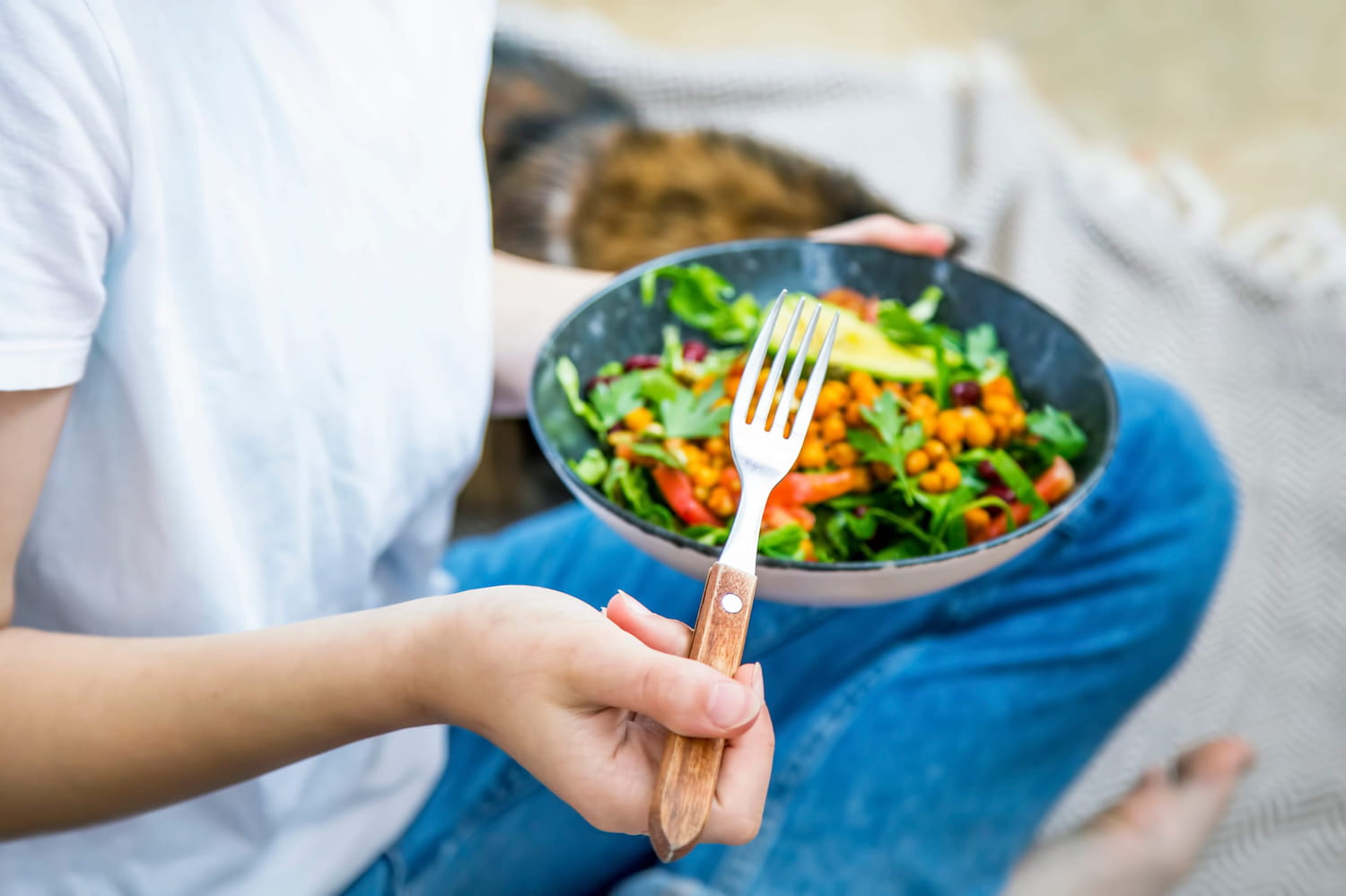
The best thing for meals is therefore to aim for foods that avoid blood sugar peaks (other foods also avoid blood pressure peaks). And if, in addition, they boost the body when it’s hot, it’s even better. So, which foods to choose? The first superfood recommended by health coach Steve Bennett is the avocado. Rich in healthy fats and fiber, it significantly slows the absorption of sugars when eaten with a meal. “Incorporating fiber, protein and healthy fats – such as avocado (…) and olive oil – into each meal slows the absorption of sugar and helps maintain stable blood sugar levels” he explains in The Mirror.
Second superfood to adopt: nuts. A simple handful before or during a meal is enough to moderate the impact of carbohydrates, thanks to their combination of fiber, plant proteins and good lipids. “Significant blood sugar spikes are primarily caused by ultra-processed carbohydrates, especially those lacking fiber.” recalls the health expert. Gourmet tip: prepare a fresh salad with pieces of avocado, nuts, young salad leaves and a drizzle of olive or walnut oil. Nuts can also be snacked on in the afternoon for a blood sugar-safe snack.
Steve Bennet shares two essential blood sugar recommendations. One, avoid eating sweet foods in the evening. The body actually becomes more resistant to insulin as night approaches. “Nocturnal (blood sugar) peaks disrupt sleep quality, hinder nighttime cellular repair and contribute to morning brain fog”explains the specialist.
Then: walk after meals. A simple ten-minute walk can reduce blood sugar spikes by 30%. Moving muscles capture excess sugar before it builds up in the blood. In periods of high heat, it is nevertheless recommended to favor the cool hours of the morning (before 8 a.m.) or evening (after 8 p.m. or even 9 p.m.) to go outside.