




Textile crisis, shops closing… and yet, an extraordinary project in Bordeaux is preparing to scoop up the most coveted brands. The crazy bet that defies the gloom.
The clothing sector continues to absorb the blows. Repeated social plans, historic brands that are lowering the curtain, city centers that are emptying of their stores: French ready-to-wear is going through one of the harshest zones of turbulence in its recent history. In this gloomy climate, we weren’t expecting anyone to reshuffle the cards. Yet this is what has just happened.
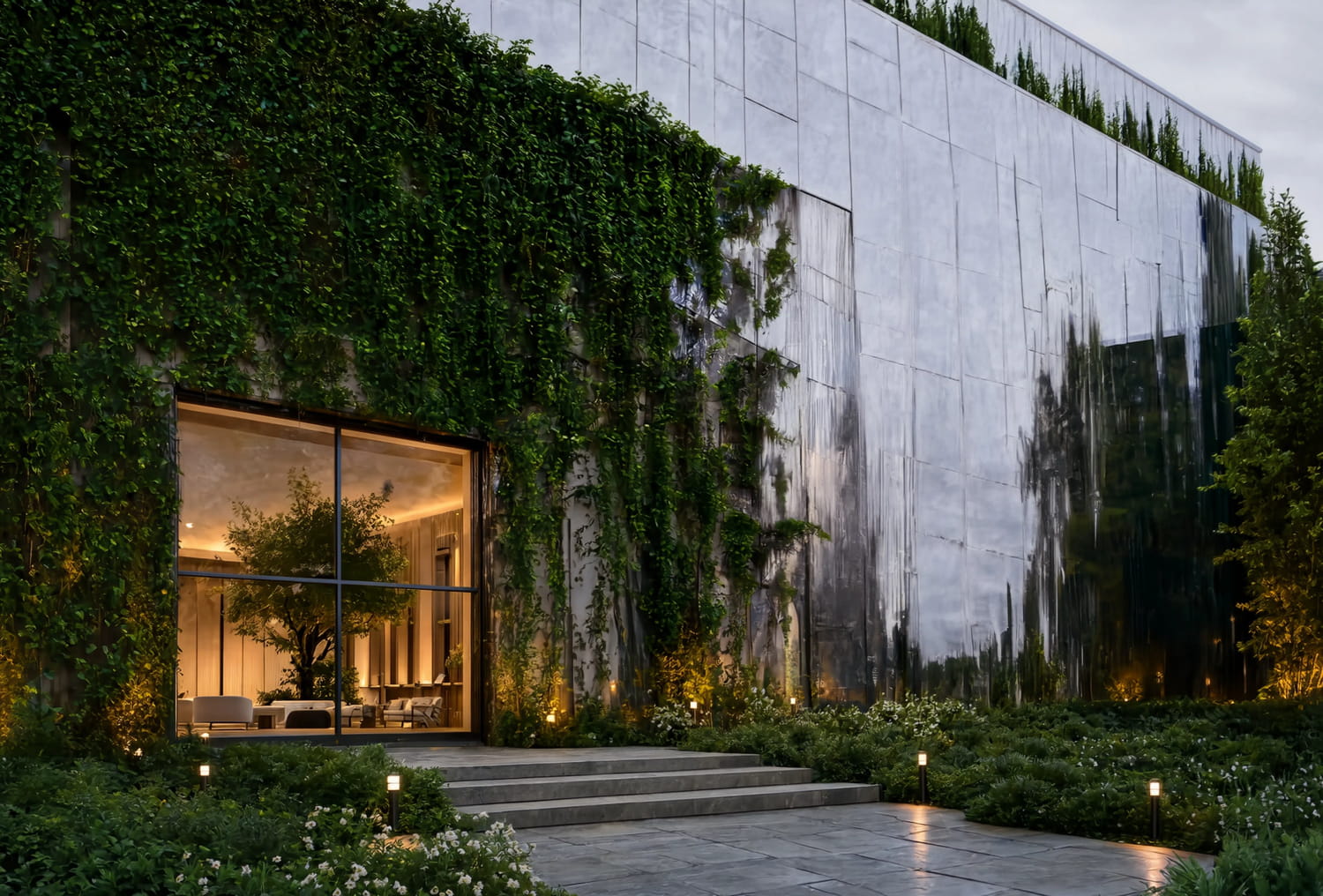
In Bordeaux, a counter-current project is preparing to shake up the entire commercial geography of the metropolis. Far from razing the walls, its developers are thinking big, very big: 70,000 square meters, a hundred boutiques, record flagships and a sanctuary of well-being straight from Italy. Enough to turn heads, at a time when most retail players are tightening the screws.
His name? Canopia. The urban developer Apsys, who redesigned the Beaugrenelle center, has just unveiled its commercial offer, just over a year before an opening scheduled for the second half of 2027, a stone’s throw from Saint-Jean station. And the list of signatures is dizzying. The Spanish giant Inditex will deploy four flagships there, including the largest Zara in the metropolis, over an XXL surface area of 4,500 square meters, accompanied by Bershka, Stradivarius and Pull&Bear. The Japanese Uniqlo will take up residence in a building decorated with glass stone facades, while Nike will take the opportunity to finally sign its very first establishment in Bordeaux.
The parade continues with the first regional flagship of Mango, but also Only, Celio, Ba&sh, Maison 123 and Figaret. On the beauty side, fans will find Sephora and Oh My Cream, complemented by eyewear maker Jimmy Fairly, shoe designer Jonak and jeweler Agatha. But the real surprise lies elsewhere. The Italian leader in wellness tourism, QC Spa of Wonders, will single-handedly occupy the 4,000 square meters of a pavilion overlooking the Garonne, transforming the shopping trip into a pampering break.
There remains one question that this riot of brands cannot hide: can the metropolis absorb 30,000 square meters of additional businesses without weakening a hypercenter already under tension? “Canopia is already shaping up to be a great success,” wants to believe Céline Poix, general director of the property company, who is banking on the 34 million travelers expected at Saint-Jean station by 2032 and the 50,000 new inhabitants of the Euratlantique district.
The equation appeals on paper. But opening a physical juggernaut when city center commerce is running out of steam remains a daring bet. See you in 2027 to find out if Bordeaux has found the formula that resists, or simply moved the problem.