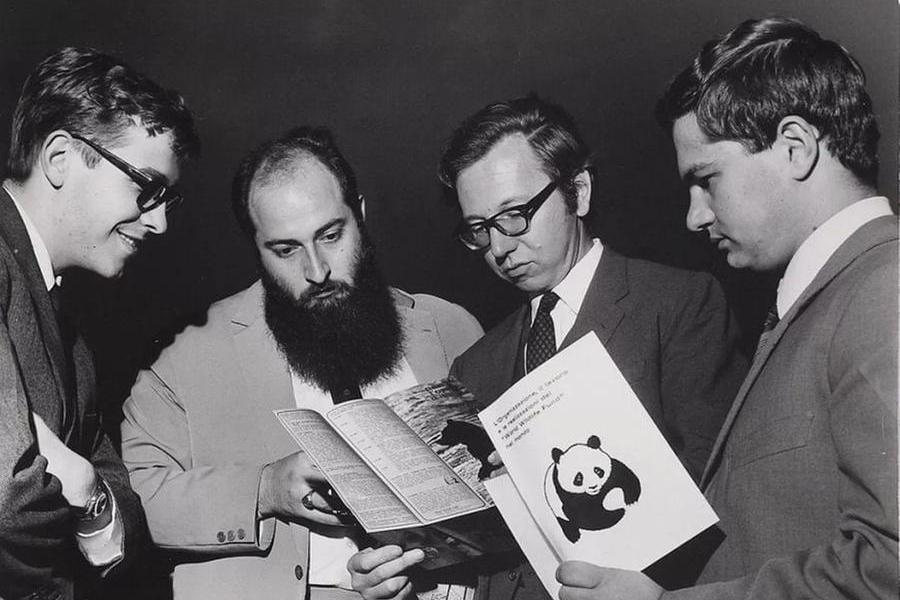
On 5 July 1966, in the office of a Roman notary, a small group of pioneers led by Fulco Pratesi officially gave birth to WWF Italy. Sixty years later, what then seemed like an almost impossible challenge has become one of our country’s most important environmental protection experiences. In these six decades the association has contributed to changing Italians’ relationship with nature, promoting the protection of biodiversity, the creation of protected areas and a growing sensitivity towards the care of creation.
At the time, as Pratesi himself recalled, environmental protection was still in its infancy: «At the time, there was not even an article of law with which a protected area for birds could be established, hunting was open until April 30th, wolves and eagle owls, eagles and otters, finches and pipits could be legally killed». From that intuition was born a movement that matters today over one hundred WWF Oases and more than 130 conservation projects, becoming a point of reference for the defense of Italian ecosystems.
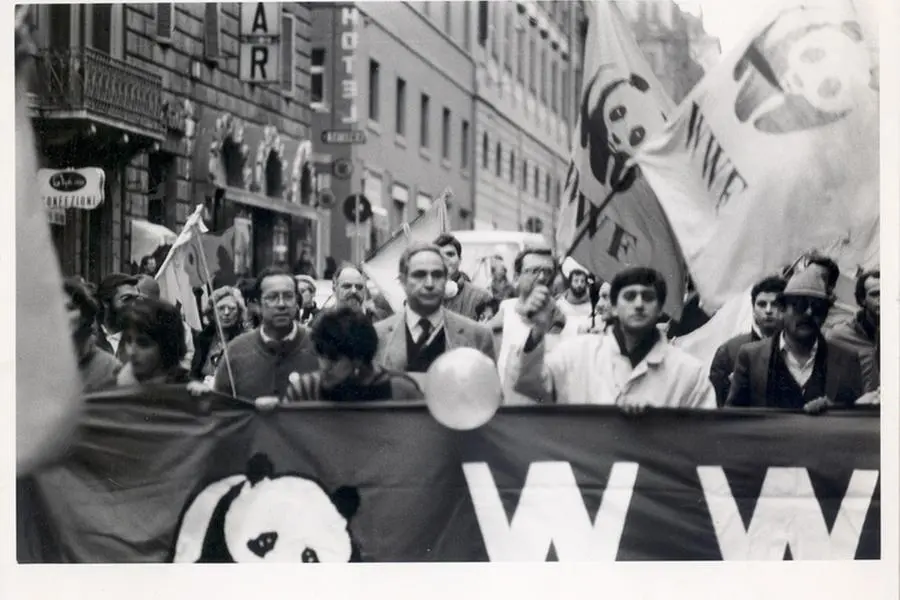
An event from the sixties
From the first Oases to a global symbol
Founded in 1961 in Switzerland as the World Wildlife Fund and became in 1986 World Wide Fund for Naturethe WWF has progressively expanded its mission from the protection of threatened species to the protection of the entire natural heritage. In Italy the first great result arrived already in 1967 with the birth of the Oasis of Lake Burano, obtained thanks to the acquisition of hunting rights in the area when the association had just 800 members. Even the famous panda, inspired by Chi-Chi, the first giant panda to arrive at London Zoo in 1961, has become much more than a logo over time: represents the global commitment to nature conservation and man’s responsibility towards the planet.
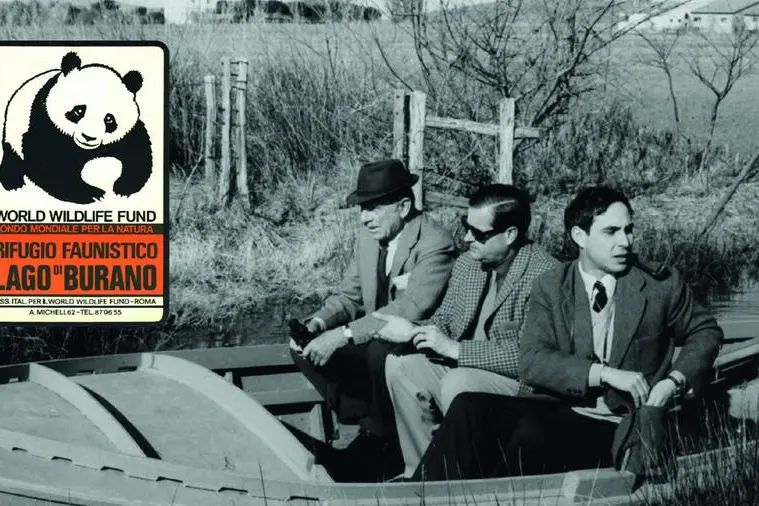
In 1967, WWF Italy, which was just a few months old and had 800 members, launched the daring challenge to acquire the hunting rights of Lake Burano. An operation worth 4 million lire a year, an expense beyond the reach of the coffers at the time, a leap into the dark. The first WWF oasis is born
The recognition of institutions
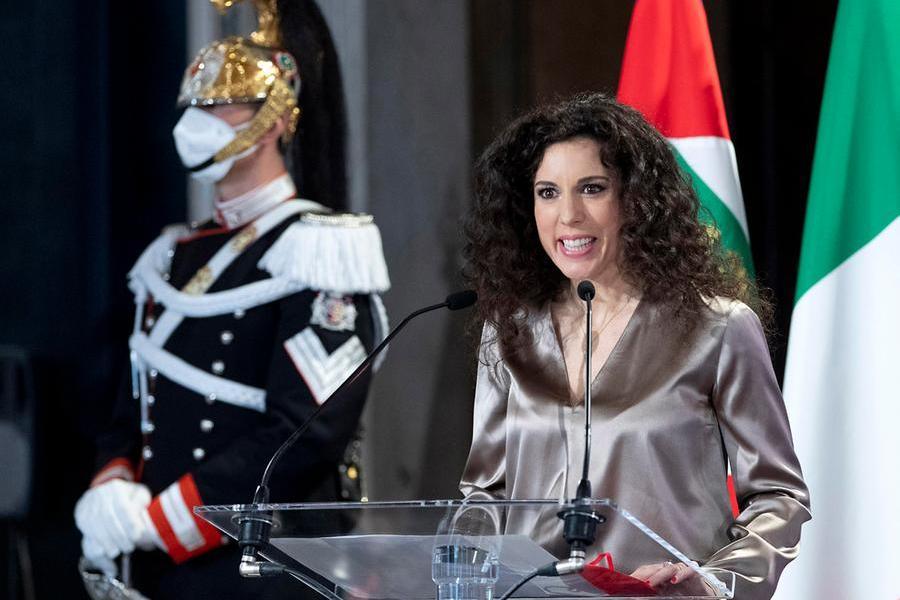
The important anniversary was also celebrated by the institutions. The President of the Republic Sergio Mattarella received a WWF Italy delegation led by president Luciano Di Tizio at the Quirinale. On that occasion he was given the first copy of the WWF volume. 60 years for nature, which traces, through texts and images, the path of the association from its foundation to today.
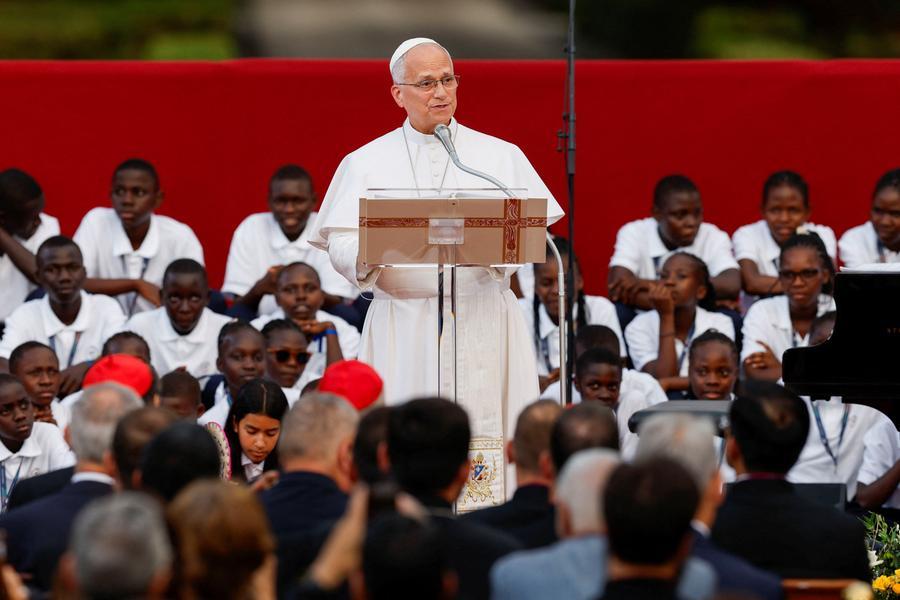
To underline the value of the WWF’s commitment, the message also arrived Pope Leo XIVwho sent his Apostolic Blessing encouraging the association «to continue the work of solidarity and awareness in the care of creation»remembering that “it is only through a return to the heart that a true ecological conversion can take place”. The Pontiff then indicated the path to follow: «We need to move from collecting data to taking care; from environmentalist discourses to an ecological conversion that transforms personal and community lifestyles.”
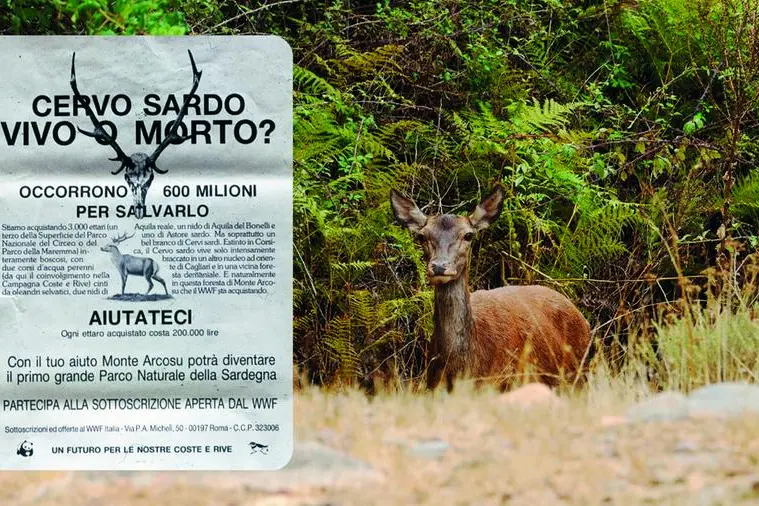
1968, the launch of initiatives to save threatened species such as the Sardinian deer and to protect wetlands
The support of the world of culture and entertainment
Numerous faces from the world of culture, entertainment and scientific dissemination also joined the celebrations for the sixtieth anniversary, who over the years have supported the WWF in its campaigns. From Luca Argentero to Licia Colò, from Alessandro Cecchi Paone to Telmo Pievani, passing through Fiorello, Lillo Petrolo, Eugenio in Via di Gioia, Mia Canestrini, Luca Ward and many others, dozens of personalities sent a message of good wishes and support to the association. Their contributions have been collected in a celebratory video which tells, through testimonies and memories, the bond built by the WWF with the world of culture and entertainment and relaunches the commitment to the environmental challenges of the coming decades.
A legacy that looks to the future
The sixtieth anniversary coincides with the first anniversary without Fulco Pratesi, who passed away in 2025, but his legacy continues to guide the work of the association. From the defense of endangered species to the fight against the climate crisis, from the protection of forests and seas to environmental education, WWF Italy continues to pursue the mission that inspired its birth: building a future in which people and nature can live in harmony.