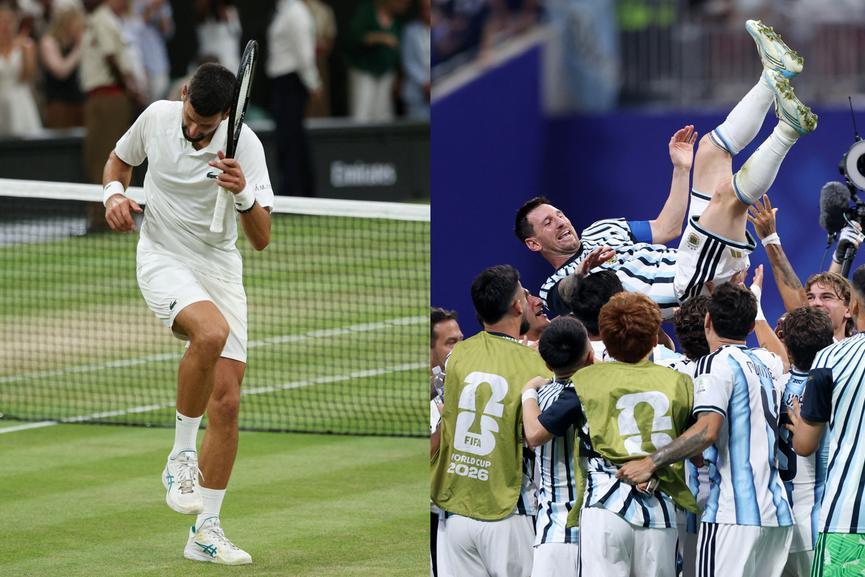
Lionel and Nole at the same time on 7 July 2026, on both sides of the Atlantic, put a notch on the history of sport, between a European hangover and an American high noon, on the basis of a youth invented for both at 39 years old. Born in 1987, five weeks apart, they play to deny the tables that have long kept them out of the radar that intercepts the best in a field, sport, which only asks for young and beautiful heroes.
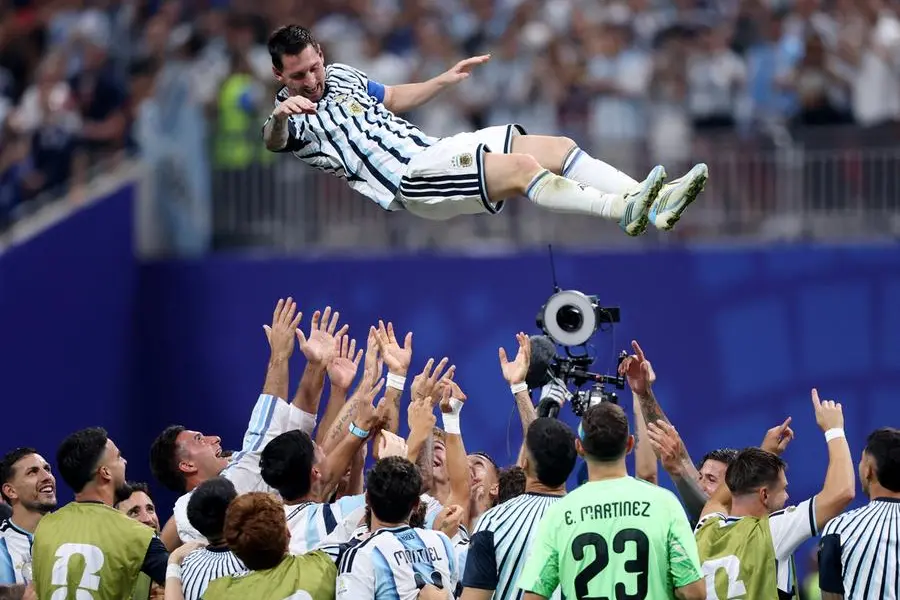
Lionel Messithe almost singular architect of the Argentine comeback against Egypt, experienced in the roller coaster of a missed penalty, a propitiated goal and another put in the sack which in the end brings thealbiceleste in the quarter-finals, he is officially the poster boy for USA-Canada-Mexico 2026: since, four years ago, he put the ghost of zero titles in the national team and the confrontation, by definition unequal, with Maradona off his shoulders; since he played in Miami where the ball is just a game and not even the most important one, without the grim weight of classicand of the European leagues in which football is always religion, every defeat heresy and every mistake worthy of the cross; since he no longer needs to prove to anyone that he has grown enough in physical and football stature, it gives the idea of being on the pitch with the carefree nature of children, playing for the pure pleasure of playing. Only by trying to push forward the night that must inevitably come: when the spotlights go out and life takes the ball away. Those who have been lucky enough to make a living from a game are often, even if they don’t say it, afraid of the dark.
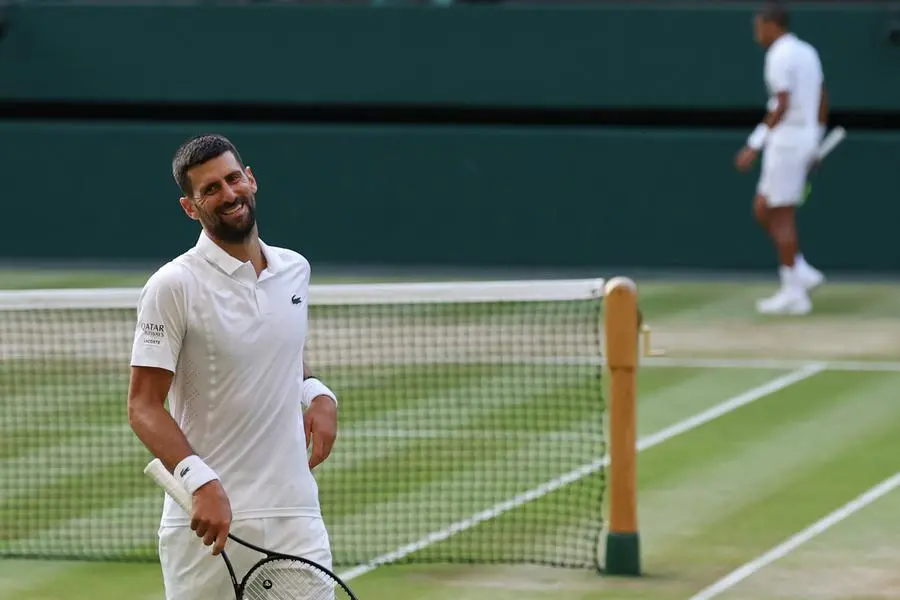
For Novak Djokovic perhaps it is different: he learned as a child that darkness is a friend, on the nights of the curfew torn apart by bombs in the sky above Belgrade. In his childhood as a prisoner of the Balkan war, the lines of the camp were a delimited space of freedom, the last remnant of carefreeness in a torn world that did not even grant it to the little ones. Afterwards, he had to make the lines of the tennis court his metaphorical trench to be able to win a lot, always under the barrage of an always hostile public, which almost everywhere in the world was always with Federer or Nadal. Only now that he is no longer the favorite can he finally enjoy the support. He rewards him with memorable matches like the five hours in which he beat Félix Auger-Aliassime. He enjoys surprising, denying, giving what you think he can no longer give. He will admit at the end: “It’s for matches like these that I continue.” He knows that question hangs in the air: “when will it stop?”: he reminds him that he is no longer what he was but forgives him in exchange for matches like this.
Novak Djokovic could not be a child in due time and cannot return to it: he is a man who is bartering with those who command in heaven the restitution, out of time, a remnant of lost time: but as mythology teaches, you know that you can’t have everything: a bonus of additional years yes, denied carefreeness no, not even yourself as you have been.
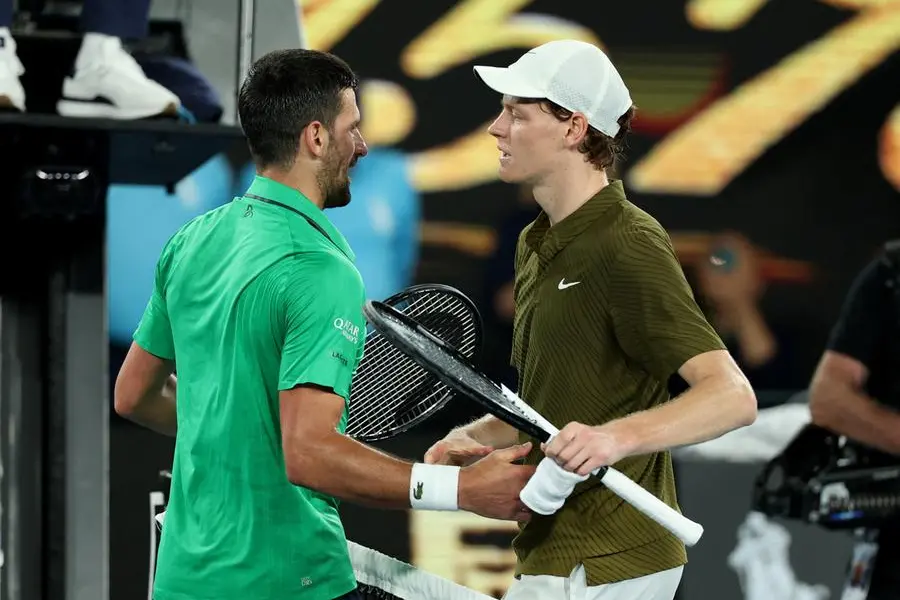
He will find Sinner in the semi-final, the young man who most resembles him on the circuit, the number one in the world, the mirror of his desires, but, Jannik yes, with the wind of time in his favor. If physical fatigue has not defeated the old wolf from the start, the young fox will need all his cunning to get the better of him, as Australia teaches. But that’s what sport exists for. To give away matches like this. Stories like that.