Leukodystrophies are serious genetic diseases. Definition, symptoms and consequences with Odile Boespflug-Tanguy, neuropediatrician-neurogeneticist.
THE leukodystrophies are diseases highlighted by the Association ELAEuropean Association against Leukodystrophies. These serious genetic diseases affect the nerve fibers of the brain. According to figures from the ELA association, 3 to 6 children are born every week in France with leukodystrophy, 20 to 40 in Europe.
Definition: what are leukodystrophies?
“Leukodystrophies are genetic diseases that affect the white matter of the brain. This is where all the information carried by the nerves and which come from the gray matter, this part of the brain where information is generated. The nerve fibers pass through the white matter where the brain’s worker cells, the glial cells, are also found. Leukodystrophies are linked to damage to these worker cells whose role is to optimize the functioning of nerve fibers. The glial cells (oligodendrocytes) which synthesize and maintain the myelin sheath, which surround certain nerve fibers, are the most fragile. THE consequences on the energy necessary for the propagation of the nerve impulse all cause the severity of leukodystrophies“, develops Prof. Odile Boespflug-Tanguy. Leukodystrophies are considered to be rare diseases.
What are the symptoms of leukodystrophy?
The disease can develop at any age of life. “In some children it is during the neonatal, or even antenatal, period that symptoms appear. For certain leukodystrophies, these symptoms appear at a very late age beyond 60 years. There is no preferential age for the onset of symptoms but the most severe and best known leukodystrophies are those which affect young children“, explains the neurogeneticist. symptoms are very present in young childrenbecause this is the time of life when myelin sheaths develop very actively. “The myelin sheath, affected in leukodystrophies, is made up of lipids. It surrounds the nerves to allow them to work faster, be more efficient and more energetic. During learning and until early adulthood, we produce myelin as soon as we learn something according to a very precise program“. Thus, among the youngest, the disorders are above all motor, children do not learn to walk, sit, hold their head or lose the skills acquired. The older we get, the more the initial symptoms are emotional and cognitive.. “It can start with difficulties at school or at work. Motor disorders only appear during the course of the disease“, notes Odile Boespflug-Tanguy.
What is the cause of leukodystrophy?
Leukodystrophies are genetic diseases that present different forms of transmission :
- There autosomal recessive form: the disease is transmitted by each parentcarrying a genetic weakness (mutation) on only one of their genetic heritage (DNA). The child is sick because he carries this weakness on both maternal and paternal genetic heritage. These forms are the most common.
- X chromosome abnormality : several leukodystrophies are linked to abnormalities on the X chromosome. Male carriers are sick because they only have one X chromosomewomen are not sick or only slightly sick because they compensate with their second X chromosome. They are said to be “transmitters or carriers“.
- There dominant form : One of the parents is ill but shows few symptoms. The disease can be transmitted to one of the children who will express more severe symptoms. This variability in disease expressivity makes the diagnosis and prognosis of these forms often difficult.
- There de novo mutation : a child presents with genetic abnormality when neither parent is a carrier of the abnormality in the analysis of their blood. The genetic anomaly created during the production of sperm or eggs which leads to significant mixing and rearrangement of the genetic heritage.
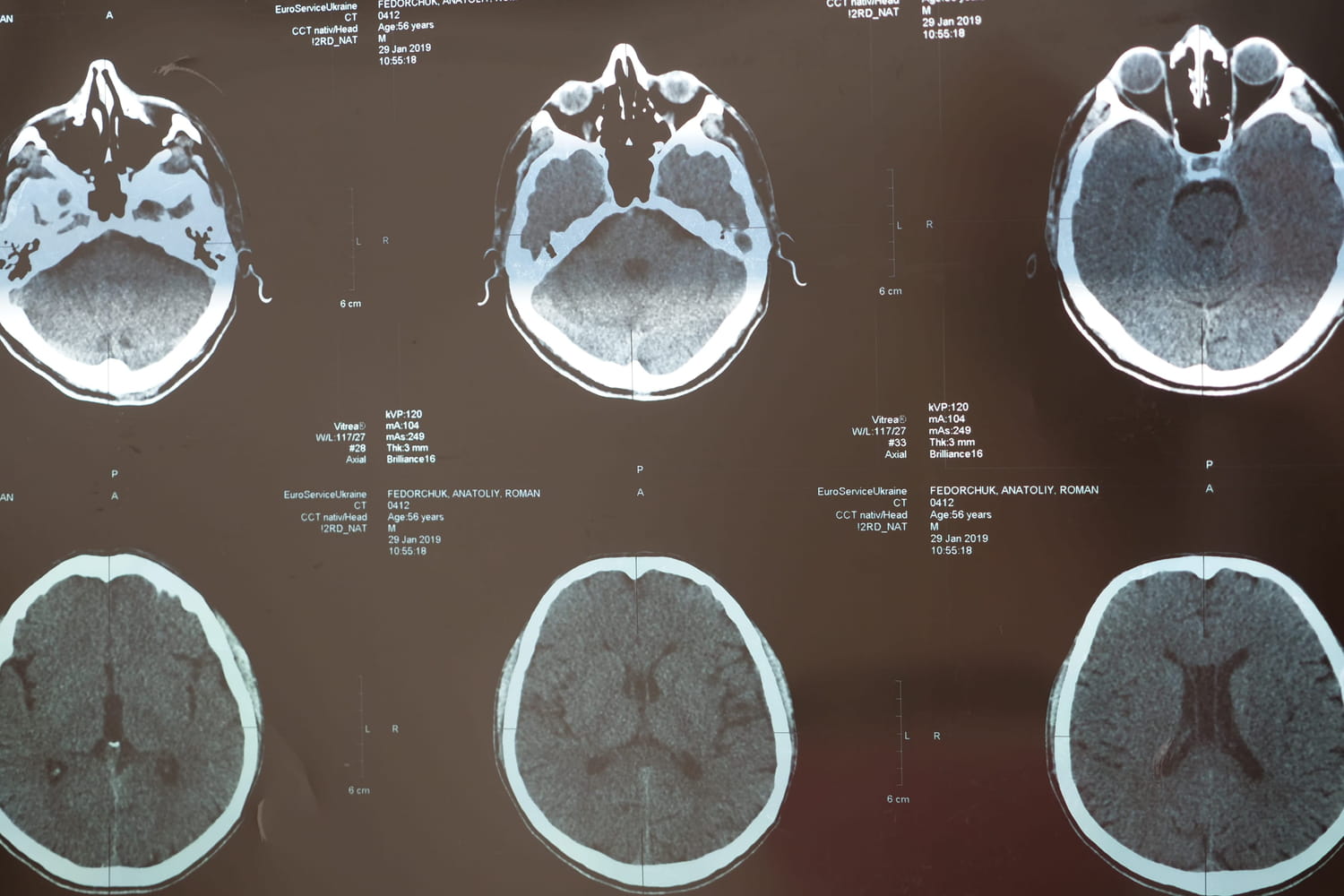
The diagnosis is generally made on brain MRI which makes it possible to show abnormalities of the normal white matter signal. “From the moment the signal is abnormal, the specialist must first determine if the origin of this signal is genetic. And if so, if this genetic anomaly first reaches the white matter and precisely the glial cells“develops the professor of medical genetics.
► In adultsleukodystrophies are poorly identified because they are difficult to diagnose among the many non-genetic diseases of the white matter. “This is the case for the inflammatory diseases such as multiple sclerosis or vascular diseases of the nervous system...” she specifies. And since in adolescents and adults the symptoms are primarily cognitive and emotional“many patients are followed for psychiatric disorders when in reality it is a leukodystrophy which begins“. THE early detection is particularly decisive in these diseases because some can benefit from a genetic counseling with antenatal diagnosis or specific treatment. “When we discover leukodystrophy in a patient, we always carry out a family investigation to check if there is a risk that another member of the family is at risk of carrying or transmitting the disease.“Some leukodystrophies can progress at full speed and quickly destroy all the white matter while preventive treatments for this deterioration can exist. “In these situations, we are concerned about screen in the family children carrying the genetic abnormality before they develop the disease. Because the important thing is to detect the disease as soon as possiblefrom the first motor disorders in toddlers, learning and cognitive disorders in adults“.
What is the treatment for leukodystrophy?
“For a large number of cases, there is no specific treatment yet but support is key. It must be early to delay the consequences of the illness as much as possible and constantly adapted to the difficulties of daily life within the family, at school or in the workplace.” recognizes Odile Boespflug-Tanguy. gene therapywhich raises many hopes, is a recent preventive treatment of the patient’s deterioration in certain forms of leukodystrophies with dysfunction of the metabolism of white matter glial cells “It is about replace the sick gene with a normal gene in blood stem cells (hematopoietic stem cells) which will gradually colonize the brain. It is therefore a long process so that brain metabolism is improved, on average one year. The patient must therefore have very few symptoms and a disease that has progressed little to observe a benefit. This Treatment is therefore only effective if the disease is detected very early, or even before symptoms appear.“.
What is the life expectancy for leukodystrophy?
Life expectancy depends on the form of leukodystrophy. “It can be fatal within a very short period of time, less than a year in very young children. Other forms are very slow : lifespan is not compromised but the severe disability worsens over time. In these slow forms, the symptoms of the vast majority of patients worsen after adolescence.“, explains the specialist.
Thanks to Professor Odile BOESPFLUG-TANGUY, neuropediatrician-neurogeneticist at AP-HP, Coordinator of the “LeukoFrance” Rare Diseases Reference Center